Search
-
 Text
TextWidder Luthers trostung ann die Christen zu Hall : vber er Georgen yhres Predigers todt, szo viel die entpfahung des hochwirdigen Sacraments belangt
Alveldt, Augustin von, active 16th centurySummary: Luther's Consolation to the Protestants of Halle, published in 1527, provoked this reply from Agustin von Alveld, garuden of the Franciscan Monastery in Halle from 1524-29. Alveld condemns Luther's tract as "Hussisch," in particular with respect to his teachings on the sacrament. Alveld dedicated the work to Albert of Brandenburg, Archbishop of Mainz.Summary: Luther's Consolation to the Protestants of Halle, published in 1527, provoked this reply from Agustin von Alveld, garuden of the Franciscan Monastery in Halle from 1524-29. Alveld condemns Luther's tract as "Hussisch," in particular with respect to his teachings on the sacrament. Alveld dedicated the work to Albert of Brandenburg, Archbishop of Mainz. -
 Text
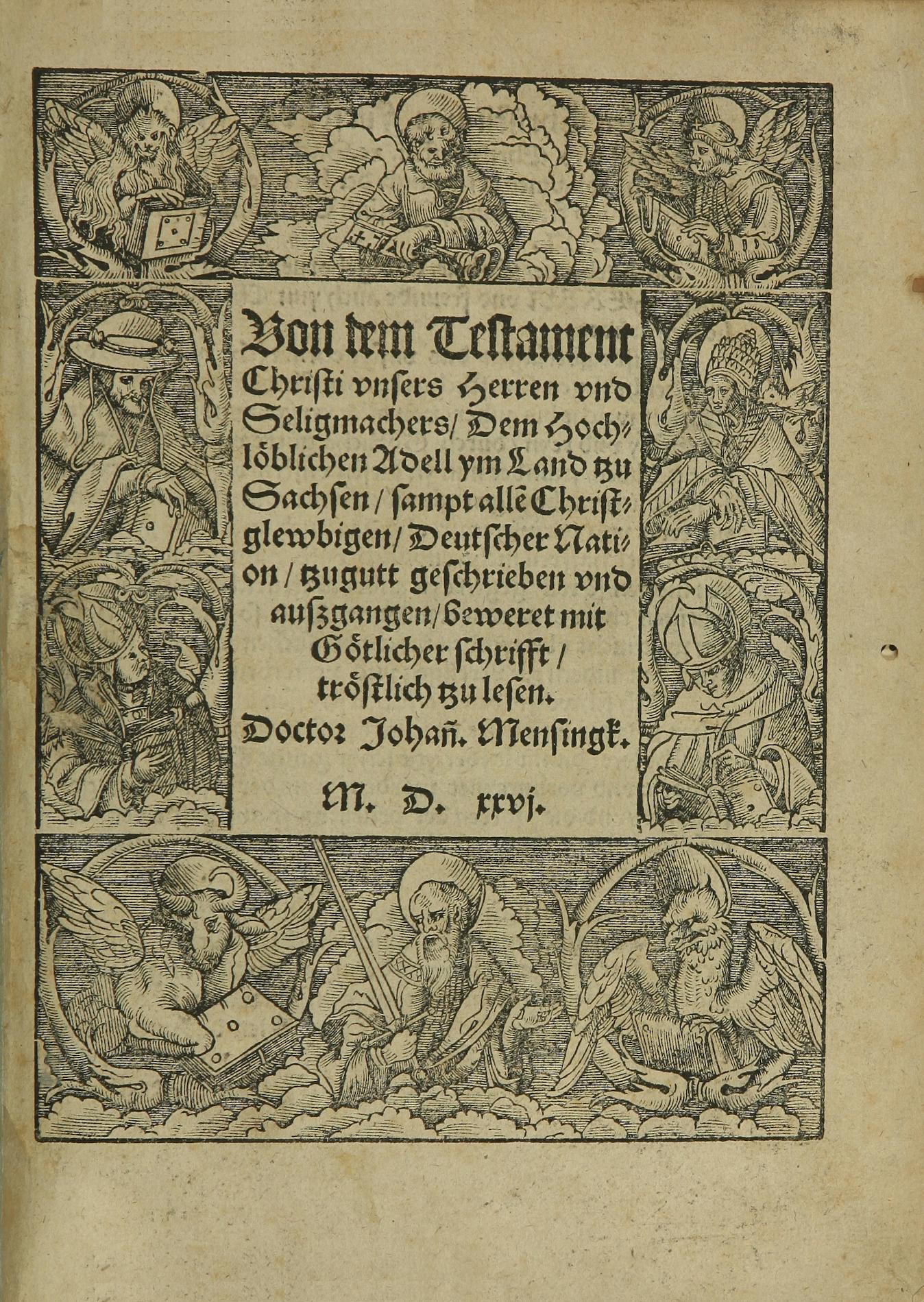
TextVon dem Testament Christi vnsers Herren vnd Seligmachers : Dem Hochlöblichen Adell ym landt zu Sachsen, sampt alle[n] Christglewbigen, Deutscher Nation, tzugutt geschriben vnd auszgangen, beweret mit Götlicher schrifft, tröstlich zu lesen
Mensing, Johannes, active 1495-1541Summary: J. Mensing was a Dominican opponent of Luther. Born in either Mageburg or Zutphen, Holland, he studied in Wittenberg and Frankfurt an der Oder, where he took his doctorate. He preached at Mageburg Cathedral 1522-1524 against the Reformers. In 1530, he was one of the Confutators of the Augsburg Confession. In 1534, he became provincial of the Dominicans, and in 1539, suffragan-bishop of Halberstedt. In this tract, Mensing defends Catholic interpretation of the Lord's Supper through references to scripture.Summary: J. Mensing was a Dominican opponent of Luther. Born in either Mageburg or Zutphen, Holland, he studied in Wittenberg and Frankfurt an der Oder, where he took his doctorate. He preached at Mageburg Cathedral 1522-1524 against the Reformers. In 1530, he was one of the Confutators of the Augsburg Confession. In 1534, he became provincial of the Dominicans, and in 1539, suffragan-bishop of Halberstedt. In this tract, Mensing defends Catholic interpretation of the Lord's Supper through references to scripture. -
 Text
TextVom Hochwirdigisten Sacrament des zarte[n] fronleichnams Christi. : Vnnd widerlegung ettlicher Argument, so jn ainem newlich aussgegange[n] irrigen vn[d] verfüerischen [sic] büechlin [sic] widers opffer [der] Mess gemacht sind
Schatzgeyer, Kaspar, 1463 or 1464-1527Summary: C. Schatzgeyer here writes a treatise on the Catholic understanding of the Lord's Supper as exemplified by the Corpus Christi festival. The work grew out of Schatzgeryer's conflicts with Andrea Osiander, the Nuremberg reformer. This is the first printing of this book.Summary: C. Schatzgeyer here writes a treatise on the Catholic understanding of the Lord's Supper as exemplified by the Corpus Christi festival. The work grew out of Schatzgeryer's conflicts with Andrea Osiander, the Nuremberg reformer. This is the first printing of this book. -
 Text
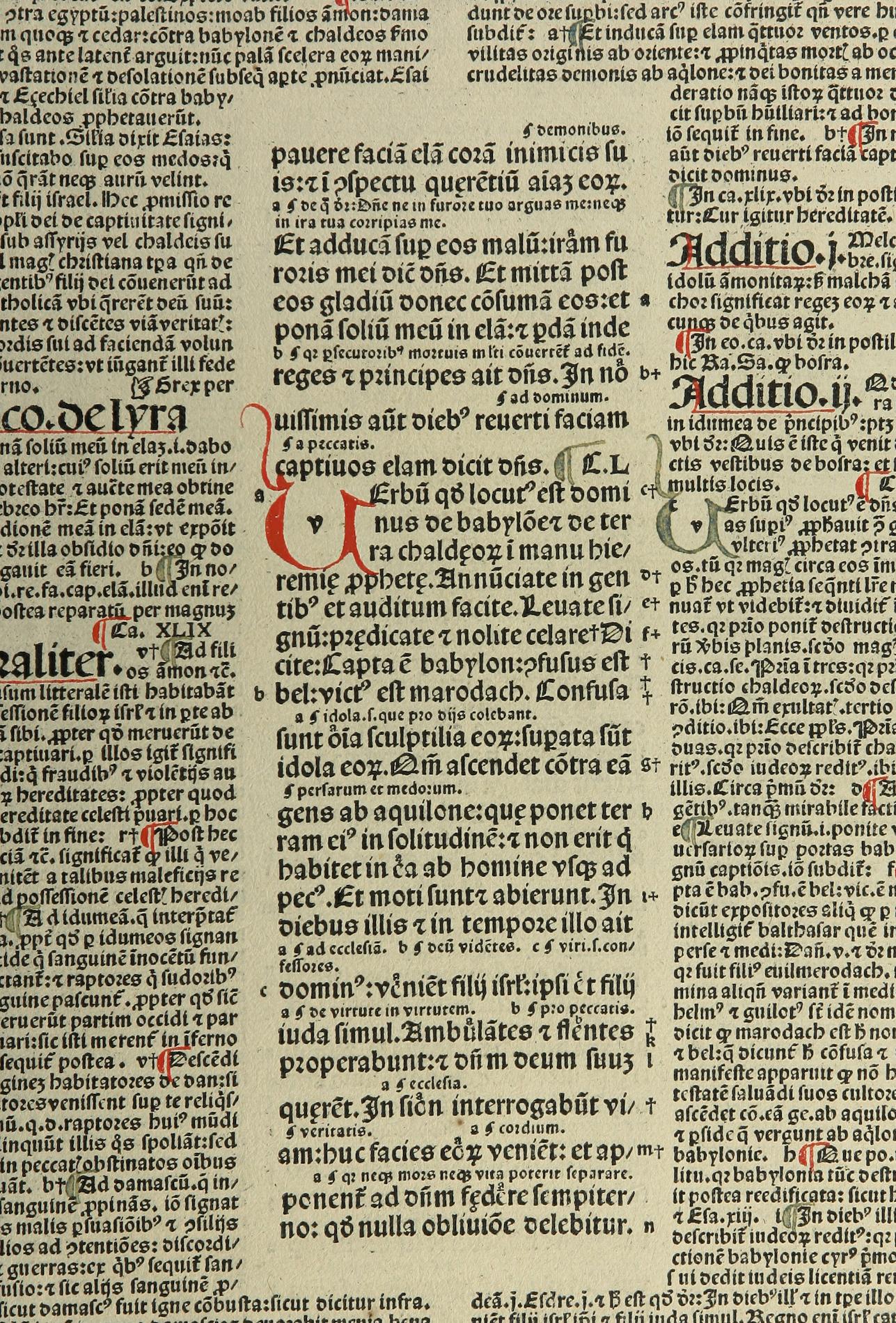
TextDe Petro et Roma adversus Velenu[m] Lutheranum, libri quatuor
Cochlaeus, Johannes, 1479-1552Summary: Oldrich Velensky, Latinized as Ulrich Velenus, was a Bohemian Protestant who opposed the papal claims to power based on St. Peter's residence and martyrdom in Rome. Cochlaeus upholds the traditional Catholic view that St. Peter was martyred in Rome in the reign of Nero in this volume against Velensky's criticism.Summary: Oldrich Velensky, Latinized as Ulrich Velenus, was a Bohemian Protestant who opposed the papal claims to power based on St. Peter's residence and martyrdom in Rome. Cochlaeus upholds the traditional Catholic view that St. Peter was martyred in Rome in the reign of Nero in this volume against Velensky's criticism. -
 Text
TextConfutatio XCI. articulorum e tribus Martini Lutheri Teuthonicis sermonibus excerptorum
Cochlaeus, Johannes, 1479-1552Summary: Second printing of the first edition of a tract listing 91 errors in three sermons by Martin Luther.Summary: Second printing of the first edition of a tract listing 91 errors in three sermons by Martin Luther. -
 Text
TextIngolstadii XI. Aprilis anni pr[a]esentis vicesimiquarti, publica disputatione per sacr[a]e theologi[a]e professores, examinabuntur : Septemdecim articuli per M. Arsatium Seehouer nuper reuocati : centum conclusiones per D. Leonardum Marstaller Nurnberge.
Universität IngolstadtSummary: A. Seehofer had been a student of Melanchthon. He taught at Ingolstadt until the authorities became cognizant of his heretical Protestant views. His books and papers were seized and he was forced to recant. This pamphlet includes his heretical theses as well as the refutations by L. Marstaller and N. Apell, both members of the university faculty. A German note at the end of the pamphlet warns against the spreading of false rumors and lies about these matters.Summary: A. Seehofer had been a student of Melanchthon. He taught at Ingolstadt until the authorities became cognizant of his heretical Protestant views. His books and papers were seized and he was forced to recant. This pamphlet includes his heretical theses as well as the refutations by L. Marstaller and N. Apell, both members of the university faculty. A German note at the end of the pamphlet warns against the spreading of false rumors and lies about these matters. -
 Text
TextDoctor Johan. dietenberger. [sic] Widerlegung des Lutherischen büchlins, da er schreibt von menschen leren zü meiden rc.
Dietenberger, Johann, approximately 1475-1537Summary: Johannes Dietenberger was a preaching monk who later became the grand inquisitor in the dioceses of Mainz and Cologne. He is best known for his German translation of the Bible, published in 1534. This work is an answer to Luther's writings on human doctrines and traditions in the Church.Summary: Johannes Dietenberger was a preaching monk who later became the grand inquisitor in the dioceses of Mainz and Cologne. He is best known for his German translation of the Bible, published in 1534. This work is an answer to Luther's writings on human doctrines and traditions in the Church. -
 Text
TextAmbrosii Catharini olim La[n]cinoti co[n]tra Martinu[m] Lutherum super his verbis, Tu es Petrus [et cetera], Et tibi dabo claues regni celorum [et cetera], Mathei xvi. : Dialogus [i?]n minus disertus qua[m] elegans et festiuus : Roffensis Episcopi loca qu[a]edam quibus predicta[m] auctoritate[m] cu[m] duabus alijs Matthei scz xviij. & Ioa[n]nis xx. eiusdem monet[a]e, sed no[n] eiusdem valoris comparat, & discrimen earu[m] euidenti scripturaru[m] testimonio declarat.
Ambrosius Catharinus, Archbishop of Conza, 1484-1553Summary: A selection of criticisms of Luther's views on the spiritual origins of the Papacy by one of his early opponents, Ambrosius Catharinus, edited by another of his early opponents, Hieronymus Emser, and dedicated by Emser to a third Luther opponent, Paul Bachmann, Abbot of Altenzelle.Summary: A selection of criticisms of Luther's views on the spiritual origins of the Papacy by one of his early opponents, Ambrosius Catharinus, edited by another of his early opponents, Hieronymus Emser, and dedicated by Emser to a third Luther opponent, Paul Bachmann, Abbot of Altenzelle. -
 Text
TextWyder den Wittenbergischen Abtgot Martin Luther
Alveldt, Augustin von, active 16th centurySummary: The Franciscan Augustine of Alveldt wrote this polemical tract in response to Luther's pamphlet "Widder den newen Abgott und alten Teuffel" which criticized the recent canonization of Bishop Benno of Mainz.Summary: The Franciscan Augustine of Alveldt wrote this polemical tract in response to Luther's pamphlet "Widder den newen Abgott und alten Teuffel" which criticized the recent canonization of Bishop Benno of Mainz. -
 Text
TextIohannes Fabri, episcopi Constantiensis In spiritualibus uicarii responsiones duae : quinquagesimaquinta uidelicet, & CXXVI. ex grandi eius uolumine excerptae & selectae, quarum prior est : De Antilogiis seu contradictionibus Martini Lutheri, altera, De Sacramentis scripturisq[ue] & fide.
Faber, Johannes, 1487-1541Summary: This rare anti-Lutheran tract was directed chiefly against Luther's views on the power of the Papacy, but includes material on the Word and Sacraments as well.Summary: This rare anti-Lutheran tract was directed chiefly against Luther's views on the power of the Papacy, but includes material on the Word and Sacraments as well. -
 Text
TextWid' die unselige Auffrure Merten Luders von Wolffgango Wulffer un[d] andern Christgleubige[n] euch zw Wittenberg tzugeschribenn.
Wulffer, Wolfgang, -1538Summary: First printing of a rare pamphlet directed against Martin Luther. Wulffer calls Luther a false prophet and claims that his teachings contain no love, but only self-aggrandizement.Summary: First printing of a rare pamphlet directed against Martin Luther. Wulffer calls Luther a false prophet and claims that his teachings contain no love, but only self-aggrandizement. -
 Text
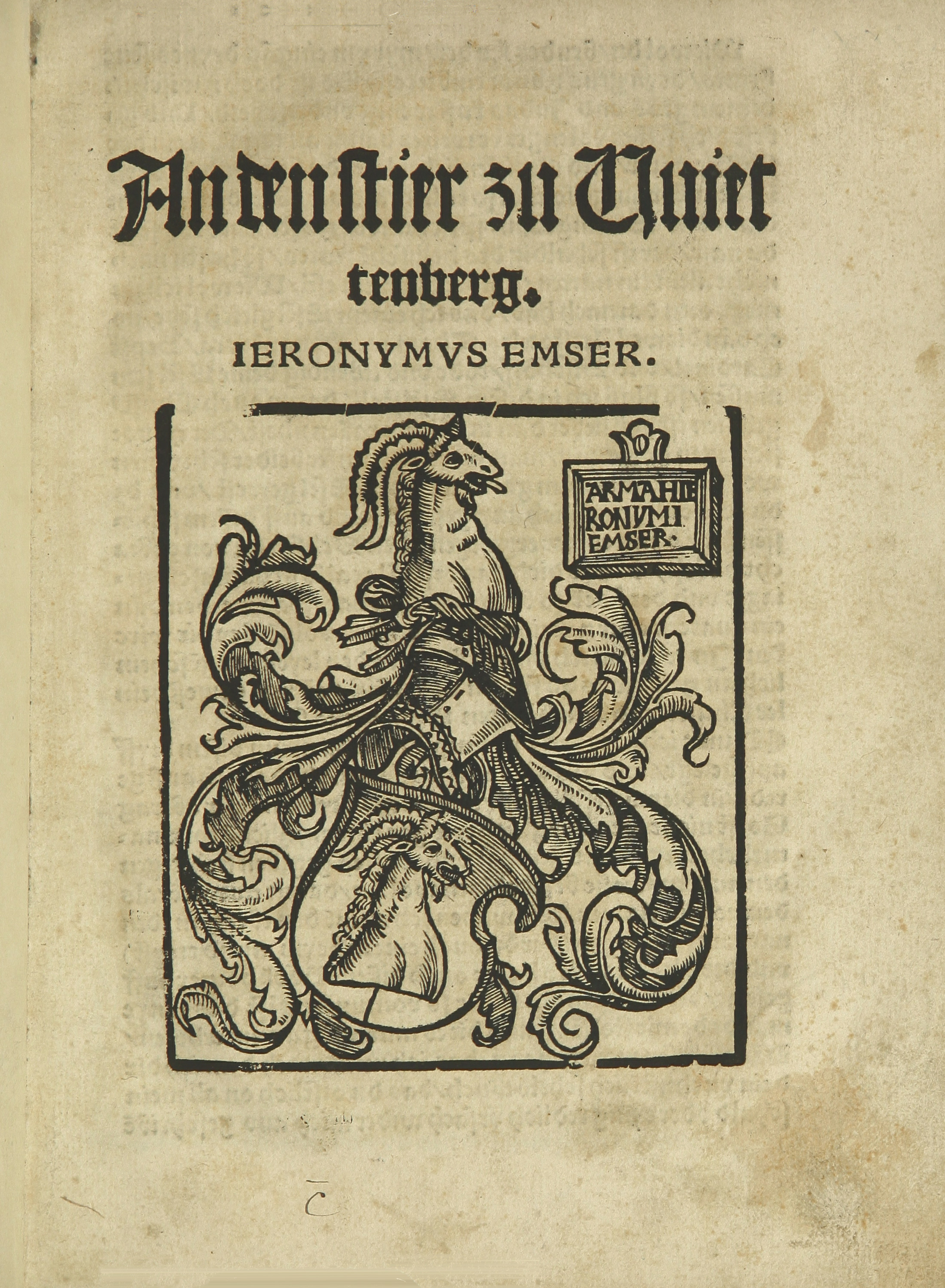
TextAn den Stier zu Uuittenberg
Emser, Hieronymus, 1478-1527Summary: A reply to Martin Luther's "An den Bock zu Leipzig."Summary: A reply to Martin Luther's "An den Bock zu Leipzig." -
 Text
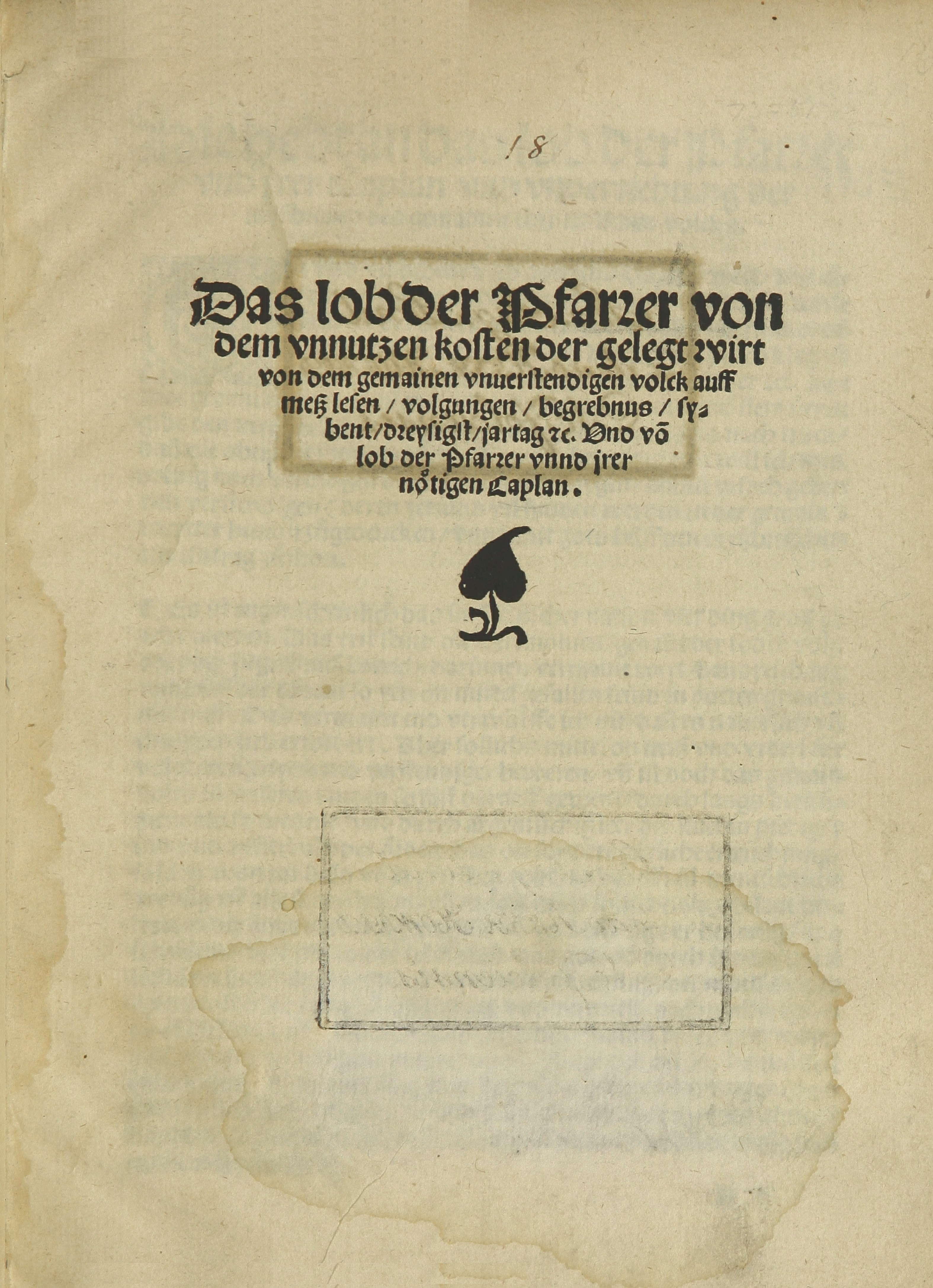
TextDas lob der Pfarrer von dem vnnutzen kosten der gelegt wirt von dem gemainen vnuerstendigen volck auff mess lesen, volgungen, begrebnus, sybent, dreysigst, jartag, rc. : Vnd vo[m] lob der Pfarrer vnnd irer nötigen Caplan.
Eberlin von Günzburg, Johann, approximately 1470-1533Summary: One of the problems that led to the Reformation was the sad state of ecclesiastical finance that forced many priests to change fees for the sacraments and other services. Von Gunzburg subjects such practices to sharp sanitization in the form of "praise of priests."Summary: One of the problems that led to the Reformation was the sad state of ecclesiastical finance that forced many priests to change fees for the sacraments and other services. Von Gunzburg subjects such practices to sharp sanitization in the form of "praise of priests." -
 Text
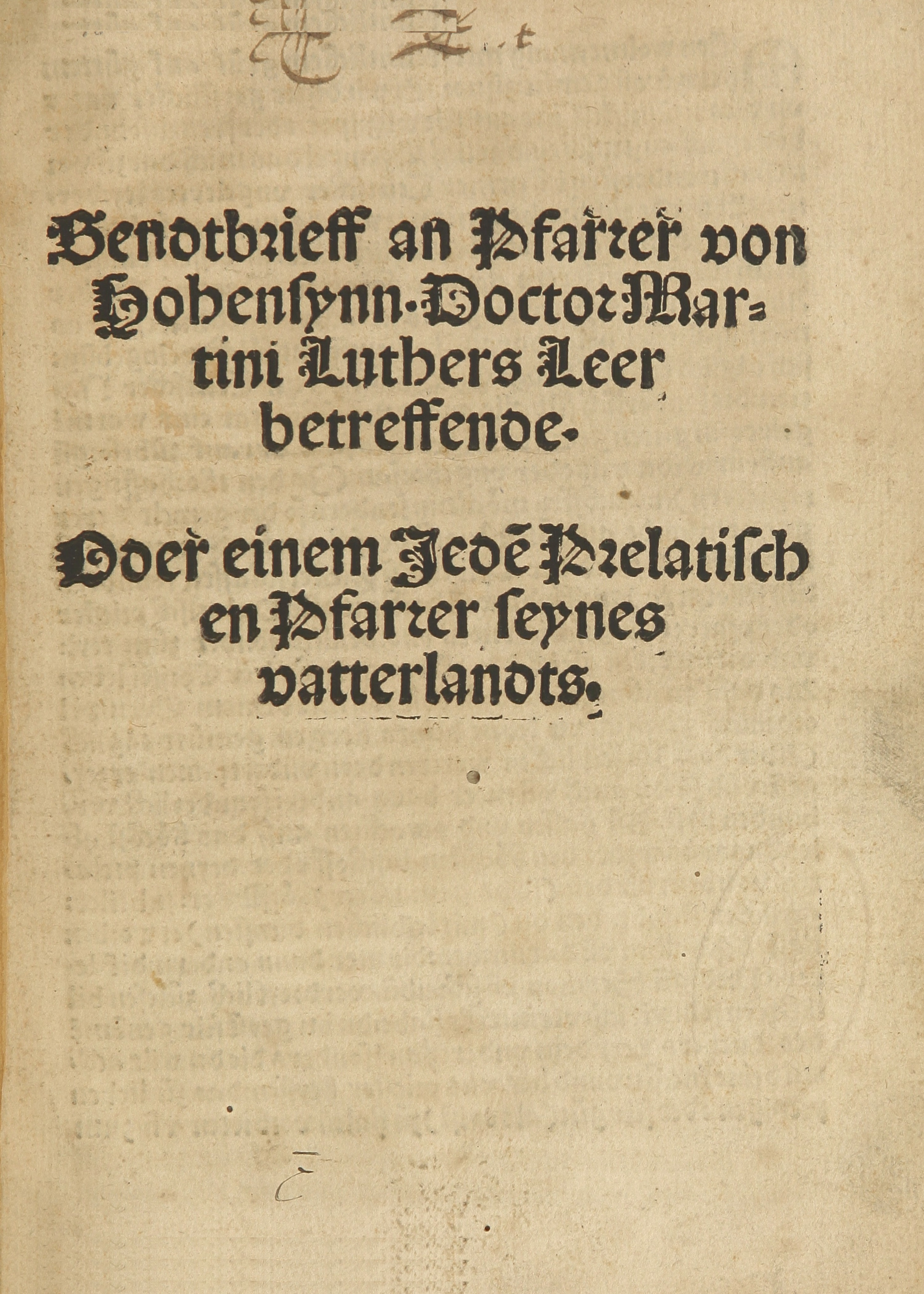
TextSendtbrieff an Pfarrer von Hohensynn. Doctor Martini Luthers Leer betreffende. Oder einem Jede[n] Prelatischen Pfarrer Seynes vaterlandes.
Summary: This is a Catholic pamphlet warning against Luther's errors. "Pastor Highmind" may be pseudonym or the name of a real Pastor von Hohensynn.Summary: This is a Catholic pamphlet warning against Luther's errors. "Pastor Highmind" may be pseudonym or the name of a real Pastor von Hohensynn. -
 Text
TextEin Sermon
Alveldt, Augustin von, active 16th centurySummary: Augustinus Alveldt, a Franciscan teacher, and later provincial head of the order, here responds to Luther's tract, "Von dem Papsttum zu Rom," in which Luther explains his views on the Papacy.Summary: Augustinus Alveldt, a Franciscan teacher, and later provincial head of the order, here responds to Luther's tract, "Von dem Papsttum zu Rom," in which Luther explains his views on the Papacy. -
 Text
TextDe disputatione lipsicensi quantum ad Boemos obiter deflexa est Epistola
Emser, Hieronymus, 1478-1527Summary: This volume includes both Emser's letter on the Leipzig Disputation, and Luther's sharp reply. Luther and Emser became lifelong enemies, a situation only exacerbated by Emser's use of Luther's New Testament as a basis for his own German translation in which he attacks Luther and Lutheranism. The woodcut on the title page shows Emser's coat-of-arms with the prominent goat, which gave Luther the title of his work, "To the Goat in Leipzig." The manuscript note on the title page says the book was purchased in 1520.Summary: This volume includes both Emser's letter on the Leipzig Disputation, and Luther's sharp reply. Luther and Emser became lifelong enemies, a situation only exacerbated by Emser's use of Luther's New Testament as a basis for his own German translation in which he attacks Luther and Lutheranism. The woodcut on the title page shows Emser's coat-of-arms with the prominent goat, which gave Luther the title of his work, "To the Goat in Leipzig." The manuscript note on the title page says the book was purchased in 1520. -
 Text
TextAd criminatricem Martini Luders Uitte[n]bergen[sis] offensione[m] super iudicio iustissimo facto : ad articulos quosdam per minoritas de obserua[n]tia Reuere[n]dissimo Episcopo Brandenburgen[si] oblatos Eckiana responsio; Quia hactenus abusus est Mar. Luderus modestia Eckiana : tande[m] extorsit, vt mordaci, mordaciter quo[que] responderem ...
Eck, Johann, 1486-1543Summary: Johann Eck responds in this early work to Luther's pamphlet "Contra malignum Iohannis Eccii iudicium."Summary: Johann Eck responds in this early work to Luther's pamphlet "Contra malignum Iohannis Eccii iudicium." -
 Text
TextExcusatio eckij : ad ea que falso sibi Philippus Melanchton gra[m]maticus Vuittenbergen[sis] super theologica disputatione lipsica adscripsit.
Eck, Johann, 1486-1543Summary: The participants in the Leipzig Disputation promised not to print their positions before the faculties of Paris and Louvain had issued their verdicts in the case. Both sides broke their promise. Melanchthon apparently got into print first, for this is Eck's reply to Melanchthon. This is the second printing of the work.Summary: The participants in the Leipzig Disputation promised not to print their positions before the faculties of Paris and Louvain had issued their verdicts in the case. Both sides broke their promise. Melanchthon apparently got into print first, for this is Eck's reply to Melanchthon. This is the second printing of the work. -
 Text
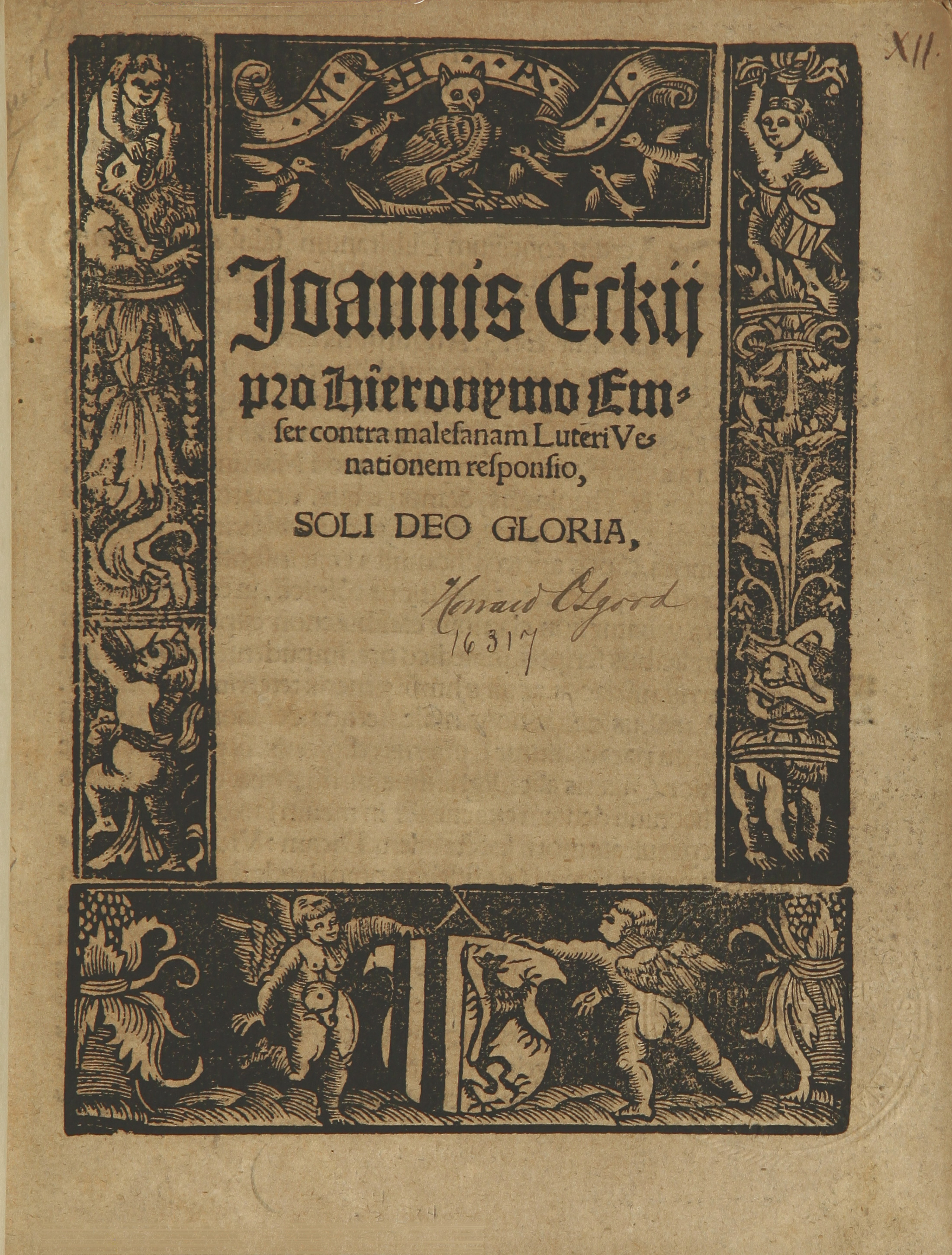
TextJoannis Eckij pro Hieronymo Emser : contra malesanam Luteri venationem responsio, Soli Deo gloria.
Eck, Johann, 1486-1543Summary: First printing of the first edition of a pamphlet by Johann Eck in support of Hieronymus Emser, a theologian in Leipzig and one of Luther's most vehement early opponents.Summary: First printing of the first edition of a pamphlet by Johann Eck in support of Hieronymus Emser, a theologian in Leipzig and one of Luther's most vehement early opponents. -
 Text
TextReplica F. Sylvestri Prieriat[is] : sacri Palatii Apostolici Magistri, ad F. Martinum Luther Ordinis Eremitaru[m] ; Martinus Luther, optimo lectori salutem ...
Mazzolini, Silvestro, da Prierio, 1456?-1527?Summary: When Luther received the replies of S. Mazzolini, the first man to take up the cudgels against Luther, he found the best course of reply to be a reprinting with notes of Mazzolini's inept rejoinders. Even the Catholics had to admit that Mazzolini's answers simply did not meet Luther's objections. This is the second printing of the work.Summary: When Luther received the replies of S. Mazzolini, the first man to take up the cudgels against Luther, he found the best course of reply to be a reprinting with notes of Mazzolini's inept rejoinders. Even the Catholics had to admit that Mazzolini's answers simply did not meet Luther's objections. This is the second printing of the work. -
 Text
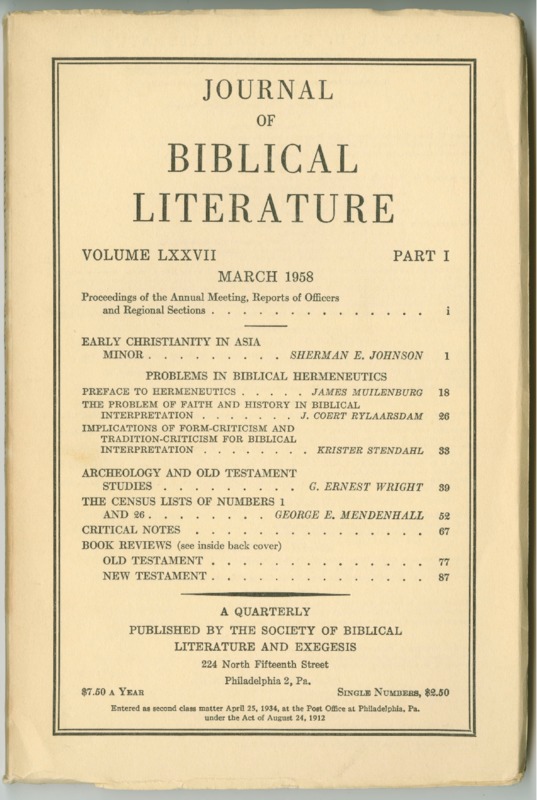
TextJournal of Biblical Literature, March 1958
Society of Biblical Literature and Exegesis (U.S.)Front matter and proceedings from volume 77, part 1 of the Journal of Biblical Literature.Front matter and proceedings from volume 77, part 1 of the Journal of Biblical Literature.

Page 239 of 257
