Summary: "According to Whitefield’s wishes, his long-time friend and fellow founder of Methodism, John Wesley, preached this funeral sermon at both of Whitefield’s London chapels. While Whitefield’s Calvinist colleagues understandably objected to Wesley’s omission of his Calvinism, it was nonetheless a heartfelt tribute to his dear friend and fellow evangelist.
Summary: "According to Whitefield’s wishes, his long-time friend and fellow founder of Methodism, John Wesley, preached this funeral sermon at both of Whitefield’s London chapels. While Whitefield’s Calvinist colleagues understandably objected to Wesley’s omission of his Calvinism, it was nonetheless a heartfelt tribute to his dear friend and fellow evangelist.
A letter from George Whitefield to Bishop Martin Benson in response to his implication of Whitefield preaching with "insincerity" and going back on promises made upon ordination.
A letter from George Whitefield to Bishop Martin Benson in response to his implication of Whitefield preaching with "insincerity" and going back on promises made upon ordination.
A set of thirteen trading cards with scenes from the life and death of John Wesley. Images include monuments to John Wesley and "Mrs. Wesley," Charles Wesley's tomb, John Wesley's funeral, John Wesley on his deathbed, John Wesley lying in state, John Wesley preaching at the funeral of George Whitefield, portraits of the Wesley family, John Wesley meeting with Lady Huntingdon, John Wesley in Bristol, John Wesley in Wednesbury, etc.
A set of thirteen trading cards with scenes from the life and death of John Wesley. Images include monuments to John Wesley and "Mrs. Wesley," Charles Wesley's tomb, John Wesley's funeral, John Wesley on his deathbed, John Wesley lying in state, John Wesley preaching at the funeral of George Whitefield, portraits of the Wesley family, John Wesley meeting with Lady Huntingdon, John Wesley in Bristol, John Wesley in Wednesbury, etc.
A letter from Selina Hastings Huntingdon to Mr. Carpenter and "my dear and worthy Christian firends of the Bath Committee" discussing the state of the church, the appointment and preaching of Phillip Mills, who she compares to George Whitefield, issues with an order of hymn books, the work of a Mr. Ford to help the church, and inquiries into the health of one of the church members.
A letter from Selina Hastings Huntingdon to Mr. Carpenter and "my dear and worthy Christian firends of the Bath Committee" discussing the state of the church, the appointment and preaching of Phillip Mills, who she compares to George Whitefield, issues with an order of hymn books, the work of a Mr. Ford to help the church, and inquiries into the health of one of the church members.
A letter from Bishop Martin Benson to George Whitefield reminding Whitefield of promises made concerning his conduct when Whitefield was ordained by the Bishop.
A letter from Bishop Martin Benson to George Whitefield reminding Whitefield of promises made concerning his conduct when Whitefield was ordained by the Bishop.
A photograph of a letter from John Wesley to George Whitefield with a transcription on the reverse and an additional transcription of an exerpt from John Wesley's diary on the date when the letter was written.
A photograph of a letter from John Wesley to George Whitefield with a transcription on the reverse and an additional transcription of an exerpt from John Wesley's diary on the date when the letter was written.
A nineteenth-century lithograph depicting John Wesley preaching at the City Road Chapel in London, addressing the 446 preachers in his connection. The lithograph was produced in the studio of William S. Pendleton (1795-1879) in Boston. Many of the individuals featured in the print are clearly identifiable by their printed engravings from the late eighteenth and early nineteenth centuries. One can quickly identify the familiar faces of Charles Wesley (1707-1788), John William Fletcher (1729-1785), Joseph Benson (1749-1821), and others.
A nineteenth-century lithograph depicting John Wesley preaching at the City Road Chapel in London, addressing the 446 preachers in his connection. The lithograph was produced in the studio of William S. Pendleton (1795-1879) in Boston. Many of the individuals featured in the print are clearly identifiable by their printed engravings from the late eighteenth and early nineteenth centuries. One can quickly identify the familiar faces of Charles Wesley (1707-1788), John William Fletcher (1729-1785), Joseph Benson (1749-1821), and others.
 Text
Text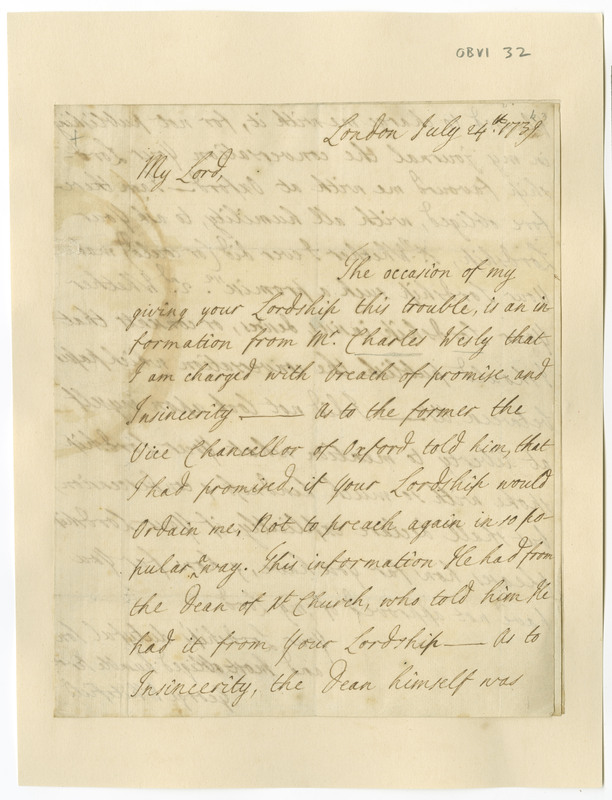 Text
Text Still image
 Text
Text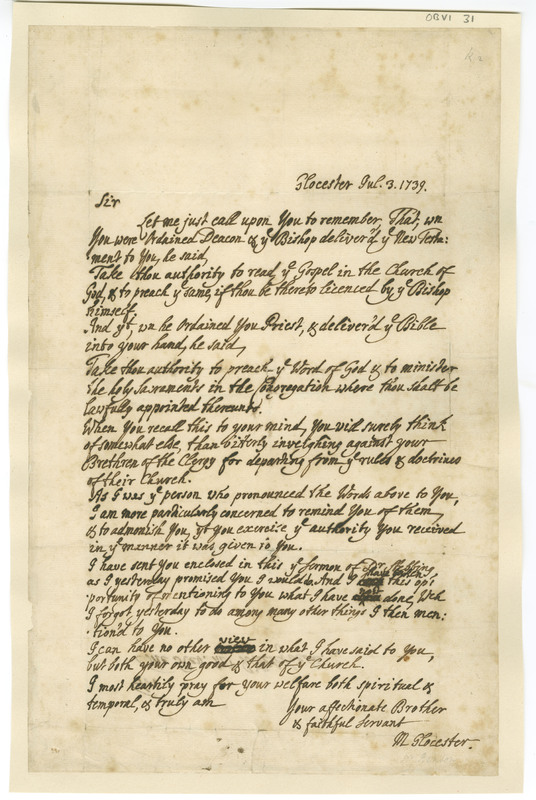 Text
Text Still image
 Artifact
 Still image