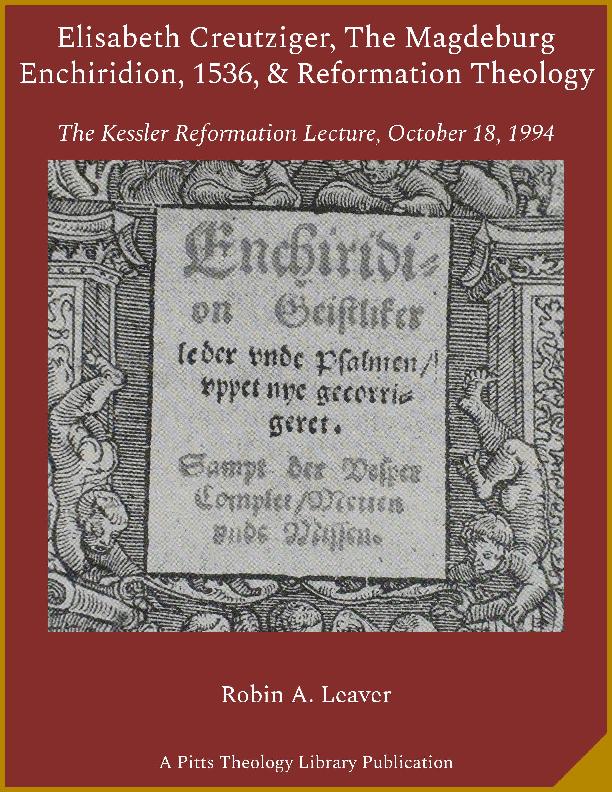
The digital edition of lecture on Elisabeth Creutziger in relation to the Magdeburg Enchiridion (1536) and the broader theology of the Reformation, delivered at the seventh annual fall concert celebrating the Richard C. Kessler Reformation Collection in the Pitts Theology Library at the Candler School of Theology, Emory University, October 18, 1994.
The digital edition of lecture on Elisabeth Creutziger in relation to the Magdeburg Enchiridion (1536) and the broader theology of the Reformation, delivered at the seventh annual fall concert celebrating the Richard C. Kessler Reformation Collection in the Pitts Theology Library at the Candler School of Theology, Emory University, October 18, 1994.
The digital edition of a lecture on the relationship between Luther, Bach, and early Reformation chorale music, delivered at the eighth annual fall concert celebrating the Richard C. Kessler Reformation Collection in the Pitts Theology Library at the Candler School of Theology, Emory University on October 17, 1995.
The digital edition of a lecture on the relationship between Luther, Bach, and early Reformation chorale music, delivered at the eighth annual fall concert celebrating the Richard C. Kessler Reformation Collection in the Pitts Theology Library at the Candler School of Theology, Emory University on October 17, 1995.
Baker perceives the Harlem Renaissance as a crucial moment in a movement, predating the 1920's, when Afro-Americans embraced the task of self-determination and in so doing gave forth a distinctive form of expression that still echoes in a broad spectrum of 20th-century Afro-American arts.
Baker perceives the Harlem Renaissance as a crucial moment in a movement, predating the 1920's, when Afro-Americans embraced the task of self-determination and in so doing gave forth a distinctive form of expression that still echoes in a broad spectrum of 20th-century Afro-American arts.
Summary: Performing Blackness offers a challenging interpretation of black cultural expression since the Black Arts Movement of the 1960s. Exploring drama, music, poetry, sermons, and criticism, Benston offers an exciting meditation on modern black performance's role in realising African-American aspirations for autonomy and authority. Artists covered include: John Coltrane, Ntozake Shange, Ed Bullins, Amiri Baraka, Adrienne Kennedy, and Michael Harper.
Summary: Performing Blackness offers a challenging interpretation of black cultural expression since the Black Arts Movement of the 1960s. Exploring drama, music, poetry, sermons, and criticism, Benston offers an exciting meditation on modern black performance's role in realising African-American aspirations for autonomy and authority. Artists covered include: John Coltrane, Ntozake Shange, Ed Bullins, Amiri Baraka, Adrienne Kennedy, and Michael Harper.
In Playing the Changes, Craig Hansen Werner presents a polyrhythmic approach to the continuities and discontinuities of the American literary tradition. He focuses on the relationship between two superficially distinct traditions: European (post)modernism and African American culture in both literary and musical forms.
In Playing the Changes, Craig Hansen Werner presents a polyrhythmic approach to the continuities and discontinuities of the American literary tradition. He focuses on the relationship between two superficially distinct traditions: European (post)modernism and African American culture in both literary and musical forms.
Summary: Uncovers the strategies early African American writers used both to create an African American identity and to make their visions and stories accessible to white readers. Beginning with Phillis Wheatley and John Marrant, who created popular literature by using formulas like that of the Puritan narrative, and ending with the subversive work of Harriet Jacobs and Elizabeth Keckley, Zafar argues that black writers tried every literary strategy--from mimicry and masking to invisibility--as a means of promoting empathy and as a way of transcending the attitudes of mainstream America.
Summary: Uncovers the strategies early African American writers used both to create an African American identity and to make their visions and stories accessible to white readers. Beginning with Phillis Wheatley and John Marrant, who created popular literature by using formulas like that of the Puritan narrative, and ending with the subversive work of Harriet Jacobs and Elizabeth Keckley, Zafar argues that black writers tried every literary strategy--from mimicry and masking to invisibility--as a means of promoting empathy and as a way of transcending the attitudes of mainstream America.
 Text
Text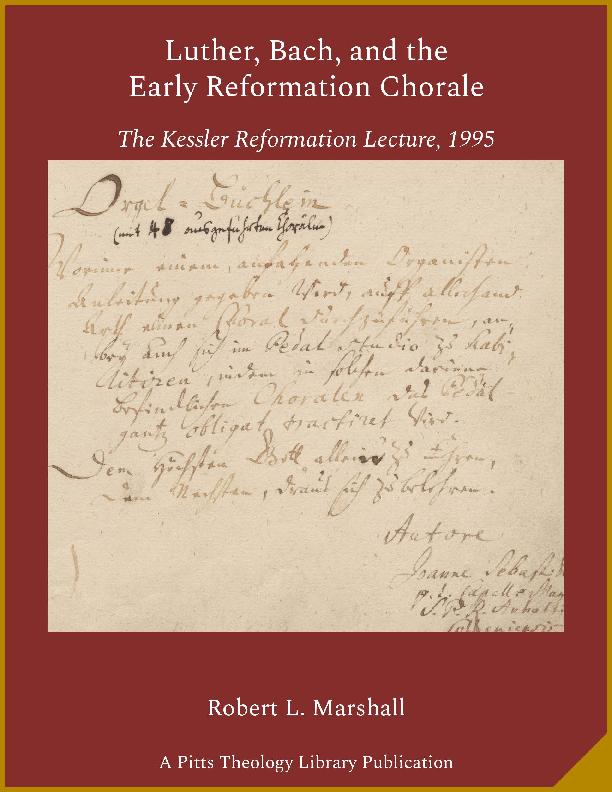 Text
Text Text
Text Text
Text Text
Text Text
Text