Search
2 resources
2 items
1528
-
 Text
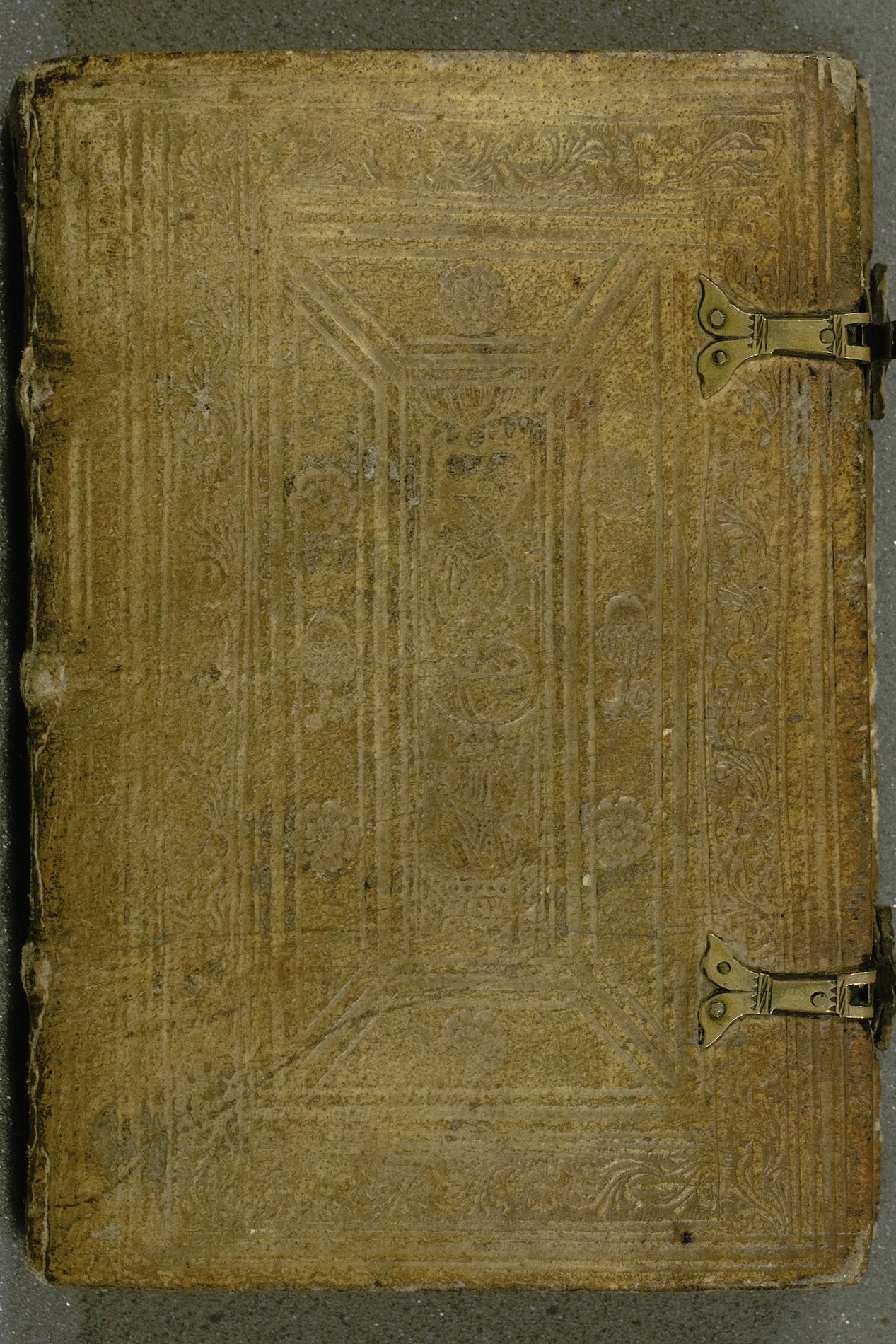
TextNew deudsch Psalter
Summary: Luther's first major revision of his translation of the Hebrew book of Psalms. Luther and his translation committee worked diligently on the German Bible throughout Luther's life. Every word came under repeated scrutiny; the translators never felt completely satisfied. The Psalter was revised repeatedly, always with the aim of seeking clarity of expression. This is the first revision of the work. This copy is annotated, dated 5 February, 1541, by A. Blarer, a Swabian reformer who was deeply influenced by Luther.Summary: Luther's first major revision of his translation of the Hebrew book of Psalms. Luther and his translation committee worked diligently on the German Bible throughout Luther's life. Every word came under repeated scrutiny; the translators never felt completely satisfied. The Psalter was revised repeatedly, always with the aim of seeking clarity of expression. This is the first revision of the work. This copy is annotated, dated 5 February, 1541, by A. Blarer, a Swabian reformer who was deeply influenced by Luther. -
 Text
TextWidder Luthers trostung ann die Christen zu Hall : vber er Georgen yhres Predigers todt, szo viel die entpfahung des hochwirdigen Sacraments belangt
Alveldt, Augustin von, active 16th centurySummary: Luther's Consolation to the Protestants of Halle, published in 1527, provoked this reply from Agustin von Alveld, garuden of the Franciscan Monastery in Halle from 1524-29. Alveld condemns Luther's tract as "Hussisch," in particular with respect to his teachings on the sacrament. Alveld dedicated the work to Albert of Brandenburg, Archbishop of Mainz.Summary: Luther's Consolation to the Protestants of Halle, published in 1527, provoked this reply from Agustin von Alveld, garuden of the Franciscan Monastery in Halle from 1524-29. Alveld condemns Luther's tract as "Hussisch," in particular with respect to his teachings on the sacrament. Alveld dedicated the work to Albert of Brandenburg, Archbishop of Mainz.