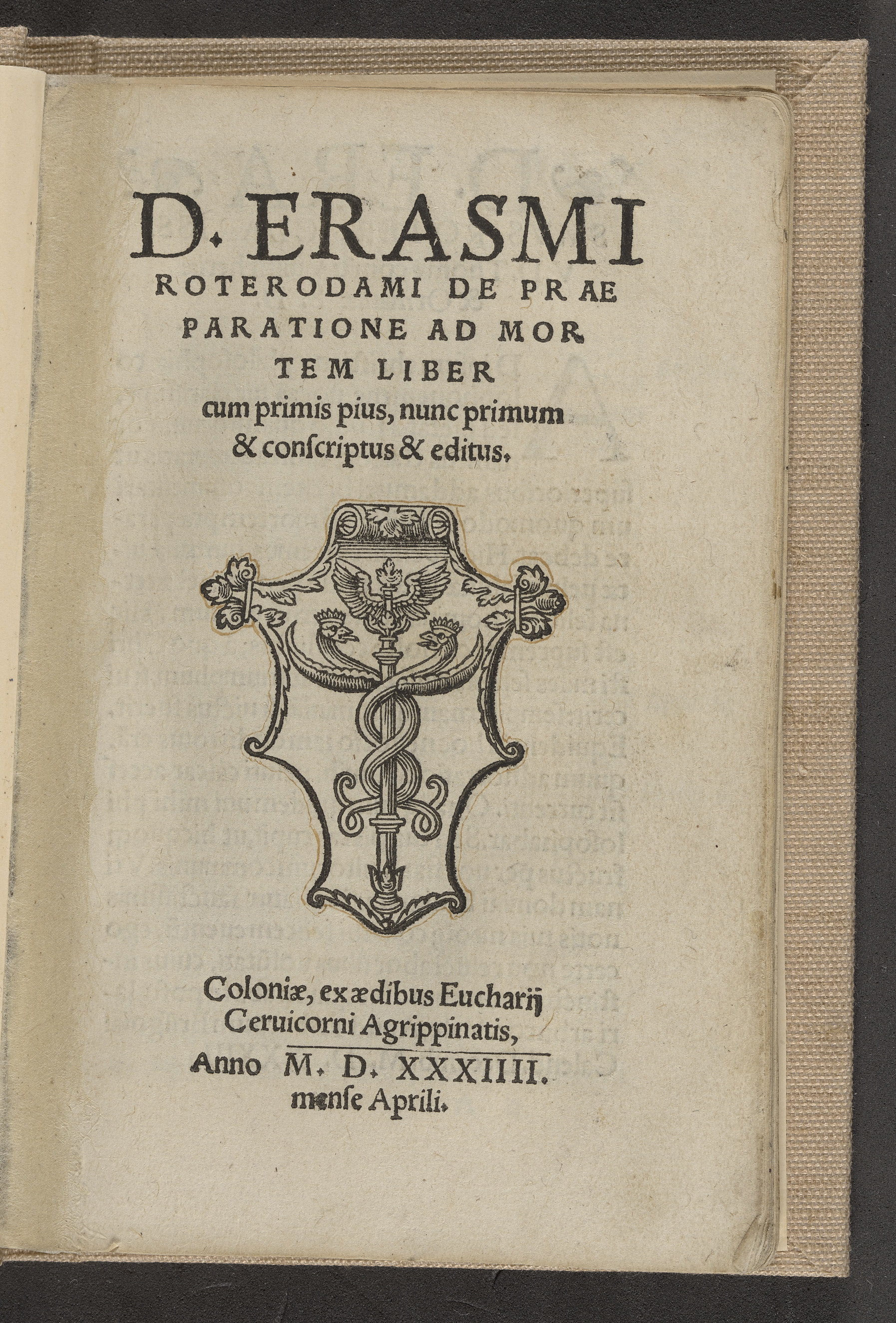
Summary: Composed by Erasmus of Rotterdam, at the latest, in 1533, this tract on preparing for death first appeared in printed form in Basel at the beginning of 1534. This printing was followed by the Cologne printing in April. It is dedicated to Thomas Boleyn, Earl of Wiltshire and Ormond (1477-1539), the father of Henry VIII's second wife, Anne Boleyn.
Summary: Composed by Erasmus of Rotterdam, at the latest, in 1533, this tract on preparing for death first appeared in printed form in Basel at the beginning of 1534. This printing was followed by the Cologne printing in April. It is dedicated to Thomas Boleyn, Earl of Wiltshire and Ormond (1477-1539), the father of Henry VIII's second wife, Anne Boleyn.
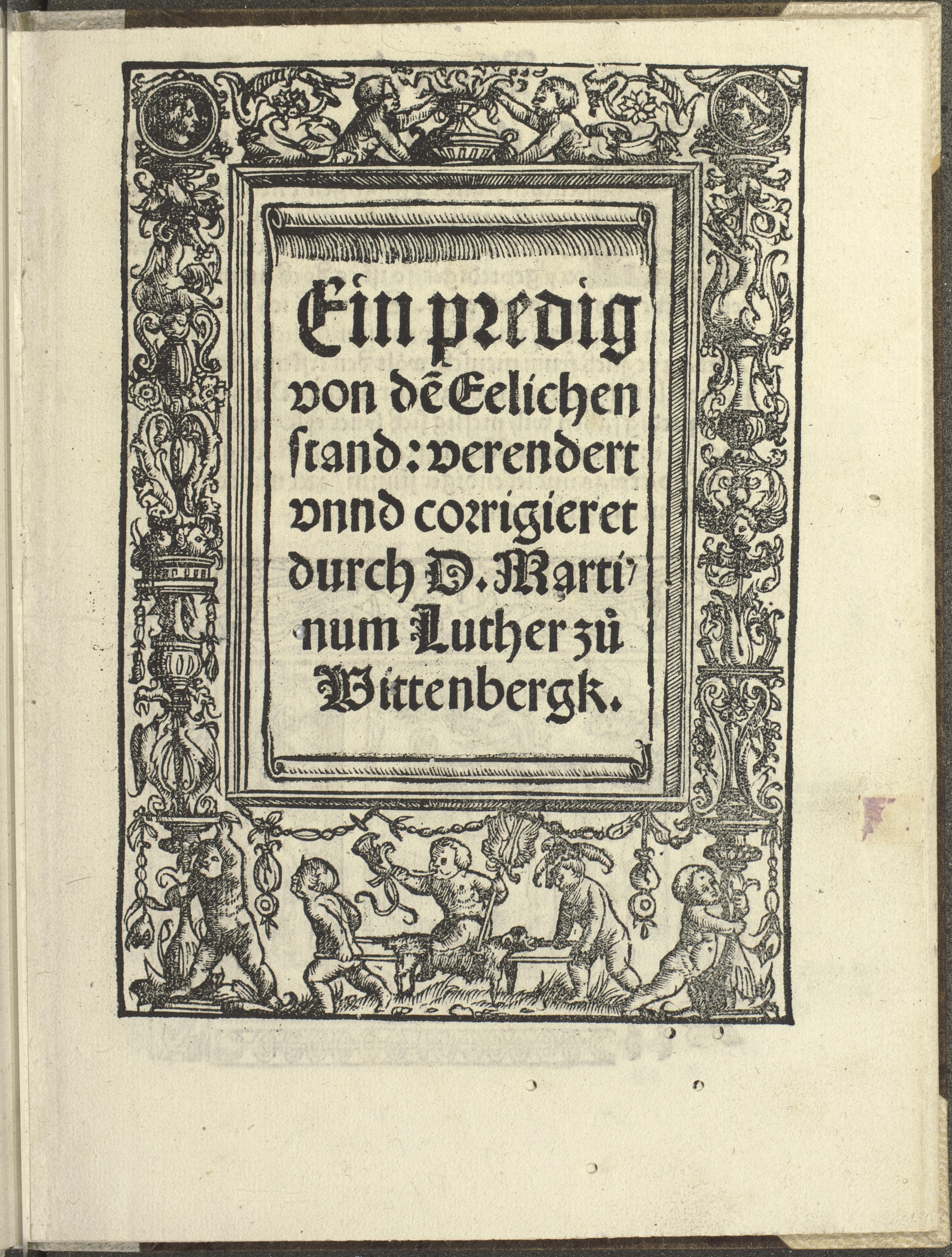
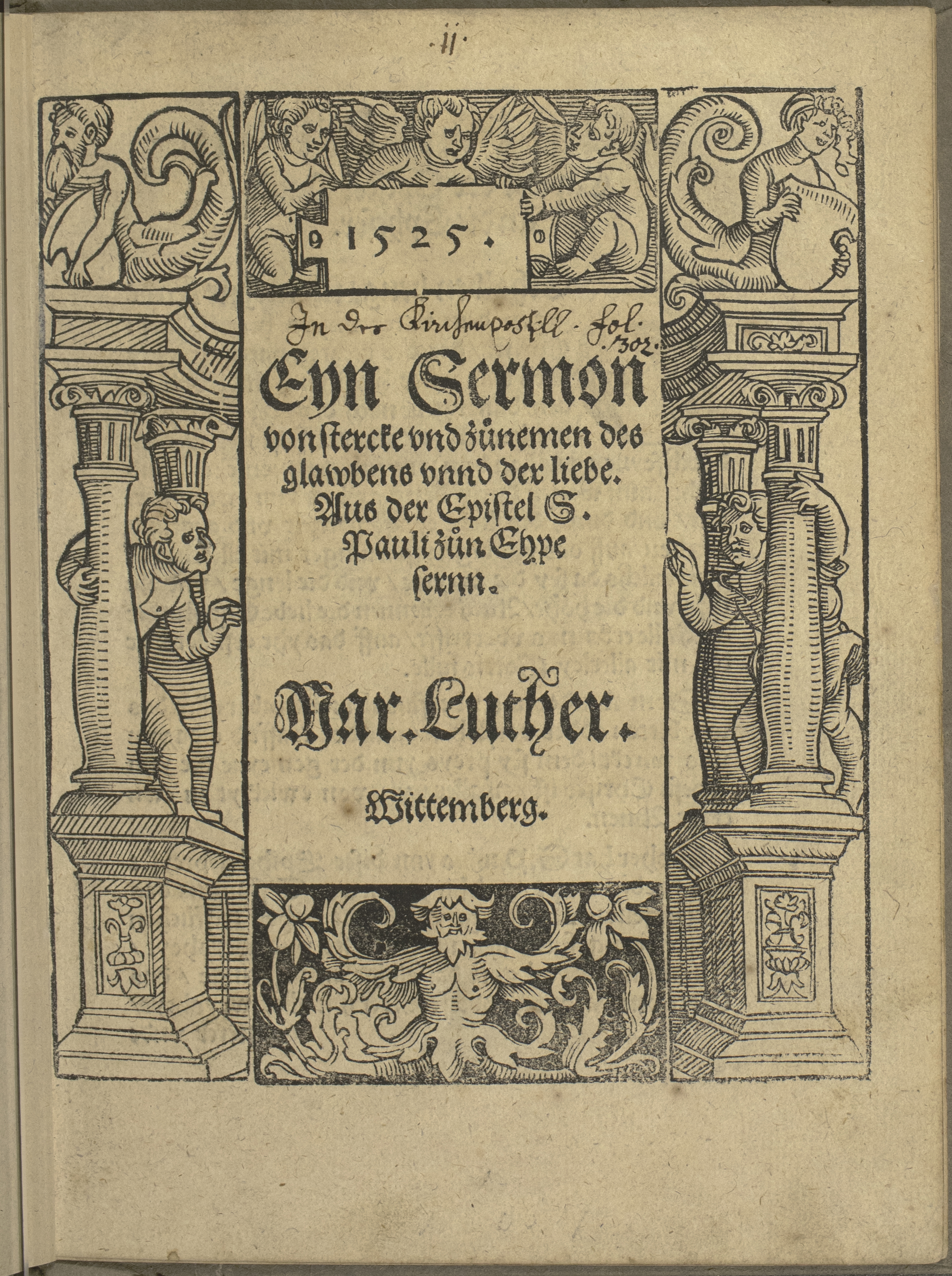
Open letter to Hans Schott, Knight, by Luther on the subject of filial piety in marriage, i.e. to what extent the wishes of the parent must be taken into account in the choice of a life partner. Parental consent was an issue during the Reformation. Catholic orthodoxy demanded parental consent of the bridal couple as it impacted property. Luther saw value in both sides, arguing that while parents ought not to be able to compel children to marry or prevent weddings, the children ought to seek their parents' consent.
Open letter to Hans Schott, Knight, by Luther on the subject of filial piety in marriage, i.e. to what extent the wishes of the parent must be taken into account in the choice of a life partner. Parental consent was an issue during the Reformation. Catholic orthodoxy demanded parental consent of the bridal couple as it impacted property. Luther saw value in both sides, arguing that while parents ought not to be able to compel children to marry or prevent weddings, the children ought to seek their parents' consent.
Summary: Luther was accused by Ferdinand (brother of Charles V) of teaching that Jesus was the seed of Abraham and that Mary was not a virgin either before or after the birth of Jesus. Luther replied with this booklet that demonstrated the human and divine natures of Jesus and showed sensitivity to Jesus' Jewish background. Luther hoped that books like this could be used to convert Jews from their erroneous beliefs.
Summary: Luther was accused by Ferdinand (brother of Charles V) of teaching that Jesus was the seed of Abraham and that Mary was not a virgin either before or after the birth of Jesus. Luther replied with this booklet that demonstrated the human and divine natures of Jesus and showed sensitivity to Jesus' Jewish background. Luther hoped that books like this could be used to convert Jews from their erroneous beliefs.
Summary: Response by Pietro Martire Vermigli, Italian Visitor General of the Augustinian Order, who fled to Switzerland rather than face charges of heresy, to the books of English Catholic, Richard Smith, on celibacy and monastic vows.
Summary: Response by Pietro Martire Vermigli, Italian Visitor General of the Augustinian Order, who fled to Switzerland rather than face charges of heresy, to the books of English Catholic, Richard Smith, on celibacy and monastic vows.
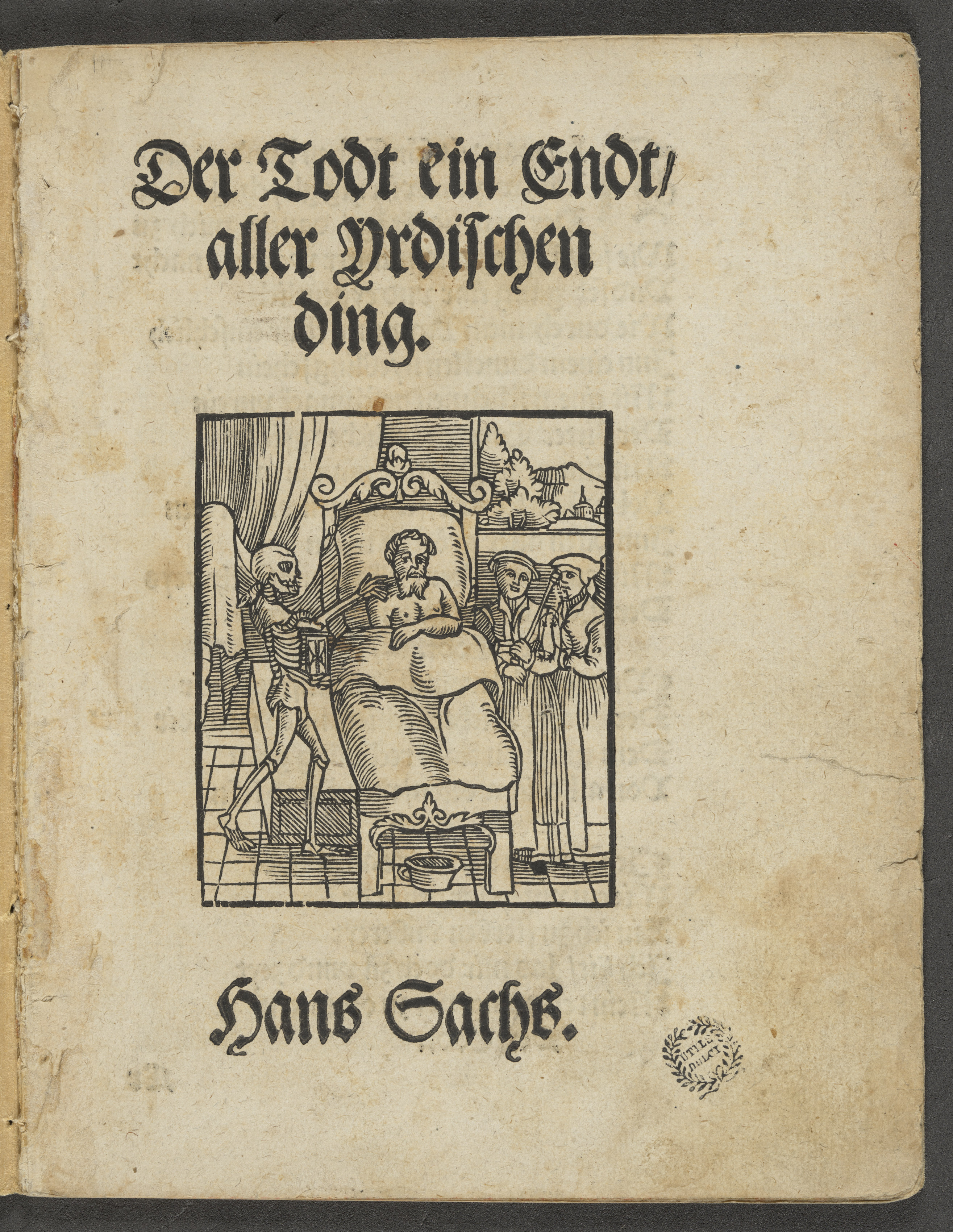
Summary: In this "New Year's Wish," Hans Sachs considers the problem of a man facing death. He calls first upon his physical attributes--youth, beauty, strenght, etc,--but finds they cannot help him. It is the spiritual factors of Sorrow, Confession, Pepentance, Hope, Faith and above all Love, that give him good counsel and rouse him from the dream of Death. This is the second printing of the revised version.
Summary: In this "New Year's Wish," Hans Sachs considers the problem of a man facing death. He calls first upon his physical attributes--youth, beauty, strenght, etc,--but finds they cannot help him. It is the spiritual factors of Sorrow, Confession, Pepentance, Hope, Faith and above all Love, that give him good counsel and rouse him from the dream of Death. This is the second printing of the revised version.
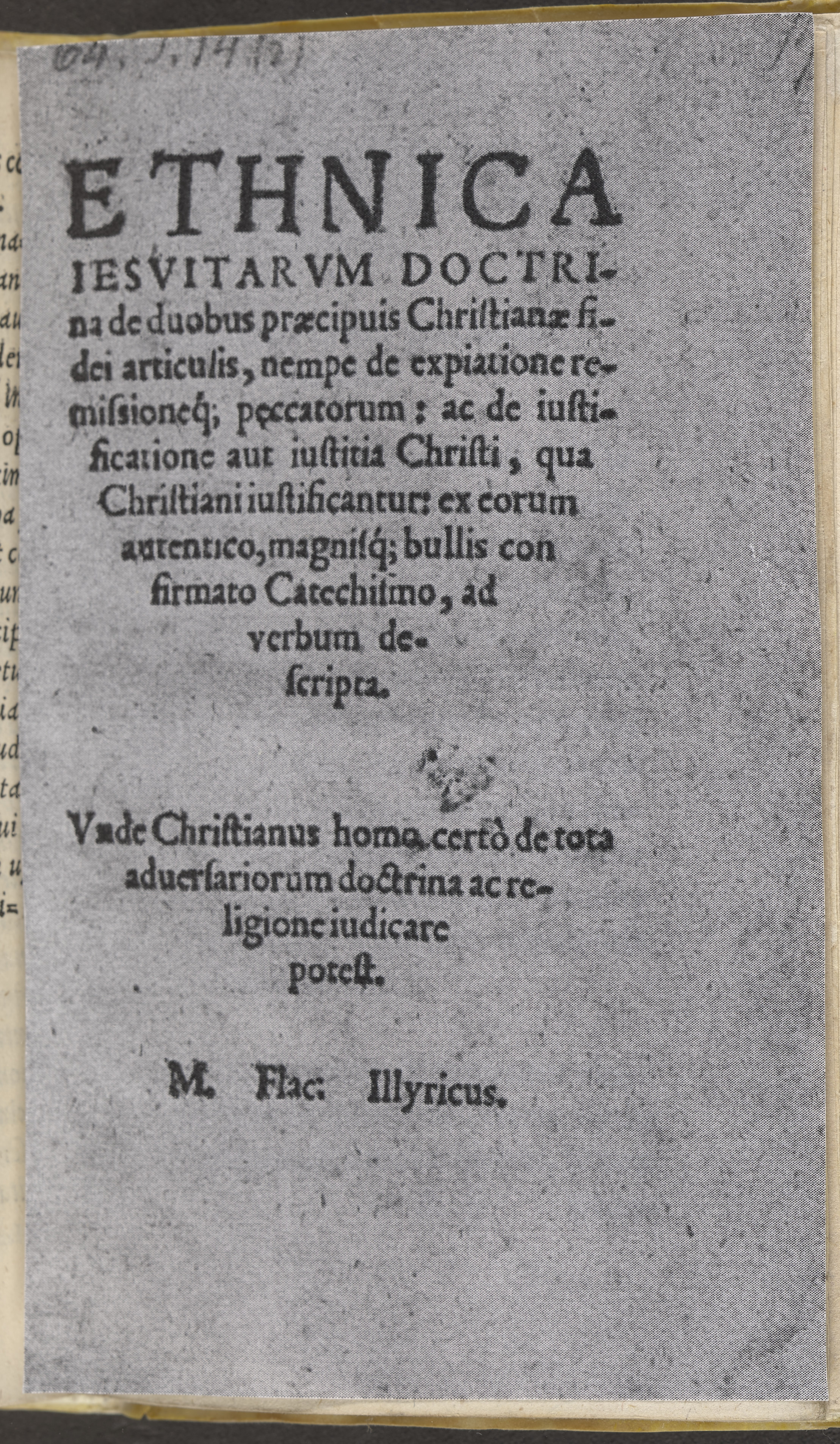
Summary: Peter Canisius was a Dutch Jesuit working to restore the Catholic church in Germany during the Reformation. Matthias Flacius criticized Canisius's catechism, first published in 1555. In this tract, he specifically attacks the Jesuit's views on the expiation of sin and the justification in Christ.
Summary: Peter Canisius was a Dutch Jesuit working to restore the Catholic church in Germany during the Reformation. Matthias Flacius criticized Canisius's catechism, first published in 1555. In this tract, he specifically attacks the Jesuit's views on the expiation of sin and the justification in Christ.
 Text
 Text
 Text
 Text
 Text
 Text
 Text
 Text
 Sound
 Text