Search
-
 Text
TextSaint Louys, ou, La sainte couronne reconquise : poeme heroique
Le Moyne, Pierre, 1602-1671Summary: A largely fictitious epic poem about Saint Louis (King Louis IX) and his crusade against the Saracens in Egypt in search of Christ's Crown of Thorns.Summary: A largely fictitious epic poem about Saint Louis (King Louis IX) and his crusade against the Saracens in Egypt in search of Christ's Crown of Thorns. -
 Text
TextThe Passionate remonstrance made by his Holinesse in the conclave at Rome: upon the late proceedings, and great Covenant of Scotland, &c. : With a reply Of Cardinall De Barbarini in the name of the Roman clergy. Together with a letter of intelligence from the Apostolicke Nuntio (now residing in London) to Pope Vrban the 8
Summary: A satire.Summary: A satire. -
 Text
TextHistoria delle vite de sommi pontefici : dal Salvator Nostro sino a Gregorio XV
Platina, 1421-1481Summary: Translation, with additions, of Platina's Vitae pontificum.Summary: Translation, with additions, of Platina's Vitae pontificum. -
 Text
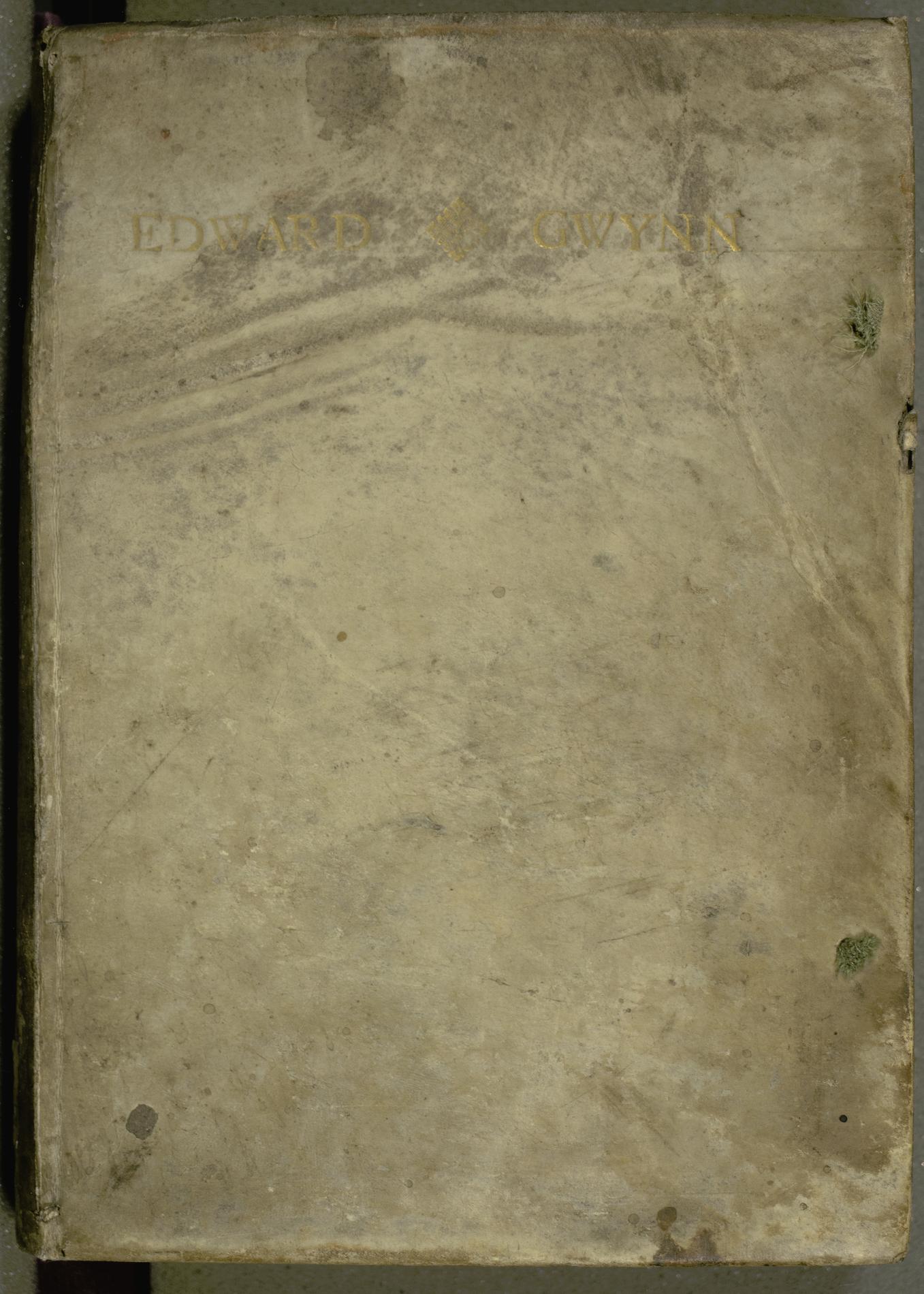
TextBasilicae s. Mariae Maioris de Urbe a Liberio Papa I usque ad Paulum V Pont. Max. descriptio et delinatio
De Angelis, Paolo, 1580-1647Summary: Important description of S. Maria Maggiore in its unaltered Renaissance state, before extensive renovations of Ferdinand Fuga in 1743.Summary: Important description of S. Maria Maggiore in its unaltered Renaissance state, before extensive renovations of Ferdinand Fuga in 1743. -
 Text
TextSacrarvm caeremoniarvm sive Ritvvm ecclesiasticorvm S. Rom. ecclesiae. : libri tres
Patrizi Piccolomini, Agostino, approximately 1435-1496Summary:Summary: -
 Text
TextOnuphrii Panuinii Veronensis Fratris Eremitae Augustiniani. XXVII. Pontificum Maximorum elogia et imagines
Panvinio, Onofrio, 1529-1568Summary:Summary: -
 Text
TextLes Images de la mort [de H. Holbein] : avx quelles sont adioustées douze figures ... La medecine de l'ame. La consolation des malades. Vn sermon de mortalité, par sainct Cyprian. Vn sermon de patience, par sainct Iehan Chrysostome ...
Summary: Third French edition of Hans Holbein's Totentanz (Dance of Death), the first with 12 new images. The woodcuts were executed by Hans Lützelburger.Summary: Third French edition of Hans Holbein's Totentanz (Dance of Death), the first with 12 new images. The woodcuts were executed by Hans Lützelburger. -
 Text
TextDe diuina institutione Pontificatus Romani Pontificis super tota[m] ecclesiam: a Christo in Petro
Cajetan, Tommaso de Vio, 1469-1534Summary: This is a finely executed and rare edition, dealing with the office of the Pope, with special emphasis on the person of St. Peter. Tommaso de Vio, also called Cajetan, taught philosophy and theology at Padua, Pavia, and Rome, and played an important part in the ecclesiastical affairs of the time, urging the cause of reform.Summary: This is a finely executed and rare edition, dealing with the office of the Pope, with special emphasis on the person of St. Peter. Tommaso de Vio, also called Cajetan, taught philosophy and theology at Padua, Pavia, and Rome, and played an important part in the ecclesiastical affairs of the time, urging the cause of reform. -
 Still image
The Holy City, New Jerusalem
Cranach, Lucas, 1472-1553A woodcut depicting an angel gesturing towards the heavenly city of Jerusalem. The image appears in the September Testament, Martin Luther's first printing of his German New Testament.A woodcut depicting an angel gesturing towards the heavenly city of Jerusalem. The image appears in the September Testament, Martin Luther's first printing of his German New Testament. -
 Still image
The Dragon Thrown into the Bottomless Pit
Cranach, Lucas, 1472-1553A woodcut depicting an angel locking the dragon, which represents Satan, into a bottomless pit to be bound for a thousand years. The image appears in the September Testament, Martin Luther's first printing of his German New Testament.A woodcut depicting an angel locking the dragon, which represents Satan, into a bottomless pit to be bound for a thousand years. The image appears in the September Testament, Martin Luther's first printing of his German New Testament. -
 Still image
The Armies of Heaven and Doom for the Beast
Cranach, Lucas, 1472-1553A woodcut depicting the victorious armies of Heaven (top right) routing the opposing forces as the beast is cast into a lake of fire and brimstone. The image appears in the September Testament, Martin Luther's first printing of his German New Testament.A woodcut depicting the victorious armies of Heaven (top right) routing the opposing forces as the beast is cast into a lake of fire and brimstone. The image appears in the September Testament, Martin Luther's first printing of his German New Testament. -
 Still image
The Destruction of Babylon
Cranach, Lucas, 1472-1553A woodcut depicting two angels announcing the destruction of Babylon and dropping a millstone into the sea while the city itself is seen in flames below. The image appears in the September Testament, Martin Luther's first printing of his German New Testament.A woodcut depicting two angels announcing the destruction of Babylon and dropping a millstone into the sea while the city itself is seen in flames below. The image appears in the September Testament, Martin Luther's first printing of his German New Testament. -
 Still image
The Woman and the Beast in the Wilderness
Cranach, Lucas, 1472-1553A woodcut depicting the Whore (Harlot) of Babylon atop the red dragon, a golden cup in hand and a Papal crown upon her head. The image appears in the September Testament, Martin Luther's first printing of his German New Testament.A woodcut depicting the Whore (Harlot) of Babylon atop the red dragon, a golden cup in hand and a Papal crown upon her head. The image appears in the September Testament, Martin Luther's first printing of his German New Testament. -
 Still image
The Seven Last Plagues
Cranach, Lucas, 1472-1553A woodcut depicting angels pouring out the Seven Plagues, including a plague upon the sun, the air, the rivers and fountains, the earth, the sea, the Euphrates, and the seat of the beast, which is sprewing unclean spirits in the form of frogs. The image appears in the September Testament, Martin Luther's first printing of his German New Testament.A woodcut depicting angels pouring out the Seven Plagues, including a plague upon the sun, the air, the rivers and fountains, the earth, the sea, the Euphrates, and the seat of the beast, which is sprewing unclean spirits in the form of frogs. The image appears in the September Testament, Martin Luther's first printing of his German New Testament. -
 Still image
The Harvest
Cranach, Lucas, 1472-1553A woodcut depicting Jesus seated on a throne and holding a sickle, directing the harvest of grain (bottom right) and that of grapes to be pressed (bottom left). The image appears in the September Testament, Martin Luther's first printing of his German New Testament.A woodcut depicting Jesus seated on a throne and holding a sickle, directing the harvest of grain (bottom right) and that of grapes to be pressed (bottom left). The image appears in the September Testament, Martin Luther's first printing of his German New Testament. -
 Still image
The Lamb on Mount Zion, the New Song, and the Three Angels
Cranach, Lucas, 1472-1553A woodcut depicting the Lamb of God atop Mount Zion (top) framed by the four beasts described in Ezekiel 1, harpers, and angels holding a book, while below them the city of Babylon is destroyed (bottom). The image appears in the September Testament, Martin Luther's first printing of his German New Testament.A woodcut depicting the Lamb of God atop Mount Zion (top) framed by the four beasts described in Ezekiel 1, harpers, and angels holding a book, while below them the city of Babylon is destroyed (bottom). The image appears in the September Testament, Martin Luther's first printing of his German New Testament. -
 Still image
The Two Beasts
Cranach, Lucas, 1472-1553A woodcut depicting two beasts, the first with seven crowned heads and ten horns rising from the sea, and the second in the shape of a lamb with two horns which is accompanied by flames raining from the skies. The image appears in the September Testament, Martin Luther's first printing of his German New Testament.A woodcut depicting two beasts, the first with seven crowned heads and ten horns rising from the sea, and the second in the shape of a lamb with two horns which is accompanied by flames raining from the skies. The image appears in the September Testament, Martin Luther's first printing of his German New Testament. -
 Still image
The Woman and the Great Red Dragon
Cranach, Lucas, 1472-1553A woodcut depicting a woman crowned in stars facing down a dragon with ten horns and seven crowns while above her a child is carried to the throne of God by angels. The image appears in the September Testament, Martin Luther's first printing of his German New Testament.A woodcut depicting a woman crowned in stars facing down a dragon with ten horns and seven crowns while above her a child is carried to the throne of God by angels. The image appears in the September Testament, Martin Luther's first printing of his German New Testament. -
 Still image
The Temple and the Two Witnesses
Cranach, Lucas, 1472-1553A woodcut depicting Saint John the Apostle measuring the temple of God as two witnesses named by an angel face a snarling beast. The image appears in the September Testament, Martin Luther's first printing of his German New Testament.A woodcut depicting Saint John the Apostle measuring the temple of God as two witnesses named by an angel face a snarling beast. The image appears in the September Testament, Martin Luther's first printing of his German New Testament. -
 Still image
The Angel with the Little Book
Cranach, Lucas, 1472-1553A woodcut depicting an angel, robed in clouds with legs of flaming pillars, handing a book to Saint John the Apostle and pointing up at the heavens. The image appears in the September Testament, Martin Luther's first printing of his German New Testament.A woodcut depicting an angel, robed in clouds with legs of flaming pillars, handing a book to Saint John the Apostle and pointing up at the heavens. The image appears in the September Testament, Martin Luther's first printing of his German New Testament. -
 Still image
The Sixth Trumpet
Cranach, Lucas, 1472-1553A woodcut depicting the releasing of four angels bound to the Euphrates to lead an army of lion-mounted warriors to destroy a third of the world's population. The image appears in the September Testament, Martin Luther's first printing of his German New Testament.A woodcut depicting the releasing of four angels bound to the Euphrates to lead an army of lion-mounted warriors to destroy a third of the world's population. The image appears in the September Testament, Martin Luther's first printing of his German New Testament.

Page 200 of 257
