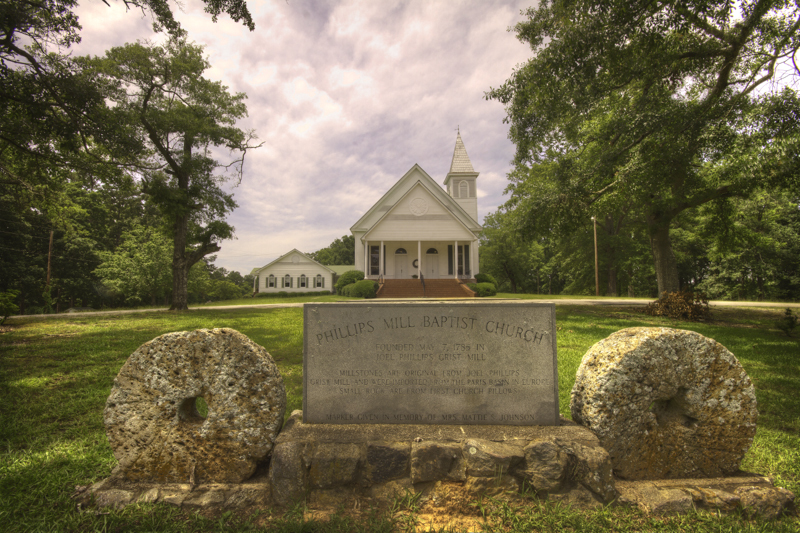
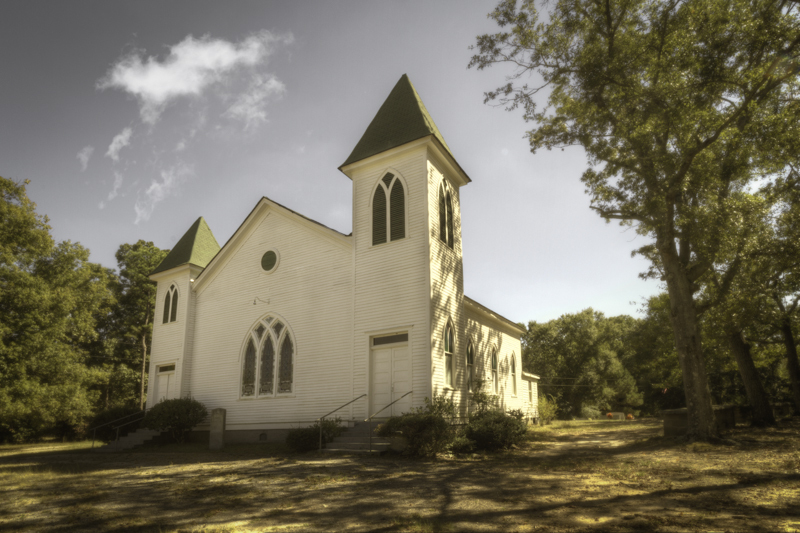
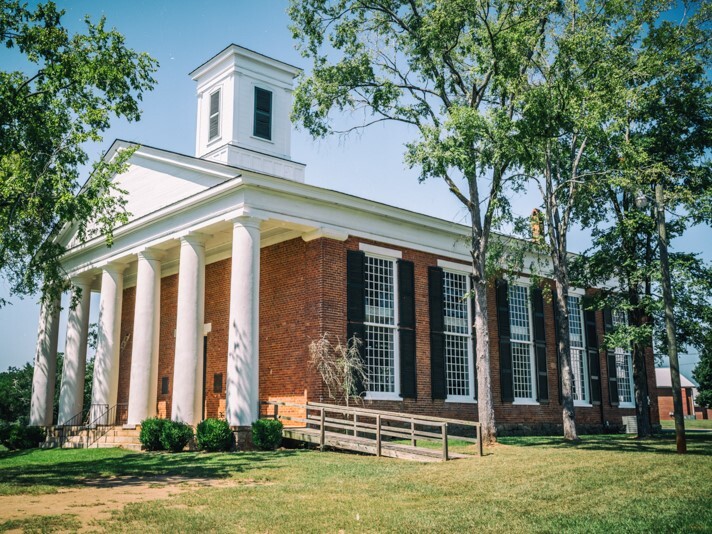
• A 3D rendering of the Penfield Baptist Church building.
    Interactive Resource

    Penfield Baptist Church Virtual Space

    Roberts, Spencer
    A 3D rendering of the Penfield Baptist Church building.
    A 3D rendering of the Penfield Baptist Church building.
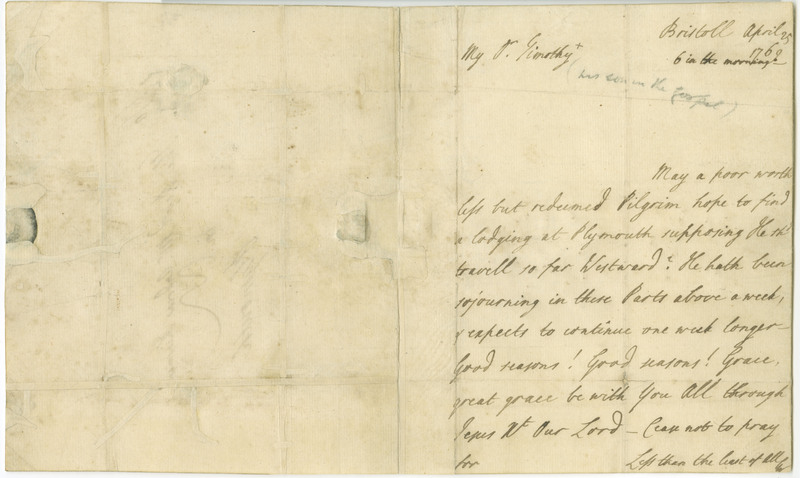
  • A letter from George Whitefield to Andrew Kinsman, addressed as "My Dear Timothy", requesting a place to stay upon Whitefield's arrival in Plymouth.
    Text

    George Whitefield letter to Andrew Linsman ("My Dear Timothy"), April 25, 1769

    Whitefield, George, 1714-1770
    A letter from George Whitefield to Andrew Kinsman, addressed as "My Dear Timothy", requesting a place to stay upon Whitefield's arrival in Plymouth.
    A letter from George Whitefield to Andrew Kinsman, addressed as "My Dear Timothy", requesting a place to stay upon Whitefield's arrival in Plymouth.
  • A letter from George Whitefield to William Lunell, a banker, discussing Lunell's marriage and family situation and plans for a future visit.
    Text

    George Whitefield letter to William Lunell, ca. 1768

    Whitefield, George, 1714-1770
    A letter from George Whitefield to William Lunell, a banker, discussing Lunell's marriage and family situation and plans for a future visit.
    A letter from George Whitefield to William Lunell, a banker, discussing Lunell's marriage and family situation and plans for a future visit.
  • A letter from George Whitefield to a professor discussing the fulfillment of preaching, news from Oxford, thoughts of the education of students of divinity, and a meeting between Whitefield and a mutual acquaintence of the professor.
    Text

    George Whitefield letter to "My Dear Professor", July 14, 1767

    Whitefield, George, 1714-1770
    A letter from George Whitefield to a professor discussing the fulfillment of preaching, news from Oxford, thoughts of the education of students of divinity, and a meeting between Whitefield and a mutual acquaintence of the professor.
    A letter from George Whitefield to a professor discussing the fulfillment of preaching, news from Oxford, thoughts of the education of students of divinity, and a meeting between Whitefield and a mutual acquaintence of the professor.
  • A letter from George Whitefield to Charles Wesley discussing Whitefield's travels in the Netherlands, his current tour of central England, and possible plans for travelling to America.
    Text

    George Whitefield letter to Charles Wesley, July 29, 1762

    Whitefield, George, 1714-1770
    A letter from George Whitefield to Charles Wesley discussing Whitefield's travels in the Netherlands, his current tour of central England, and possible plans for travelling to America.
    A letter from George Whitefield to Charles Wesley discussing Whitefield's travels in the Netherlands, his current tour of central England, and possible plans for travelling to America.
  • A letter from George Whitefield to a schoolmaster in Cheltenham discussing the health of a fellow preacher, Mr. Hutchins, and the passing of another, Mr. Jones.
    Text

    George Whitefield letter to [Wells], June 10, 1762

    Whitefield, George, 1714-1770
    A letter from George Whitefield to a schoolmaster in Cheltenham discussing the health of a fellow preacher, Mr. Hutchins, and the passing of another, Mr. Jones.
    A letter from George Whitefield to a schoolmaster in Cheltenham discussing the health of a fellow preacher, Mr. Hutchins, and the passing of another, Mr. Jones.
  • A letter from George Whitefield to his nephew, James Whitefield, updating him on his father, mother, and sister.
    Text

    George Whitefield letter to James Whitefield, April 12, 1759

    Whitefield, George, 1714-1770
    A letter from George Whitefield to his nephew, James Whitefield, updating him on his father, mother, and sister.
    A letter from George Whitefield to his nephew, James Whitefield, updating him on his father, mother, and sister.
  • A letter from George Whitefield to his nephew, possibly James Whitefield, asking about his plans to remain in America and recommending some of Whitefield's connections who might be able to help get the nephew settled.
    Text

    George Whitefield letter to [James Whitefield?], ca. 1759

    Whitefield, George, 1714-1770
    A letter from George Whitefield to his nephew, possibly James Whitefield, asking about his plans to remain in America and recommending some of Whitefield's connections who might be able to help get the nephew settled.
    A letter from George Whitefield to his nephew, possibly James Whitefield, asking about his plans to remain in America and recommending some of Whitefield's connections who might be able to help get the nephew settled.
  • A letter from George Whitefield to Walter Peters in which Whitefield discusses his itinerant preaching near Leeds and plans for future travel. He also mentions an improvement in his health and asks for the continued prayers of his and Peters' friends in Scotland.
    Text

    George Whitefield letter to Walter Peters, October 15, 1758

    Whitefield, George, 1714-1770
    A letter from George Whitefield to Walter Peters in which Whitefield discusses his itinerant preaching near Leeds and plans for future travel. He also mentions an improvement in his health and asks for the continued prayers of his and Peters' friends in Scotland.
    A letter from George Whitefield to Walter Peters in which Whitefield discusses his itinerant preaching near Leeds and plans for future travel. He also mentions an improvement in his health and asks for the continued prayers of his and Peters' friends in Scotland.
  • A letter from George Whitefied to Howell Harris discussing Whitefield's preaching and the recent publication of a book of hymns by the Wesleys. Whitefield also advises Harris to be gentle and kind in his ministering, reminding him that their responsibility is to be shepherds to the flock, not wolves to worry the sheep.
    Text

    George Whitefield letter to Howell Harris, December 28, 1741

    Whitefield, George, 1714-1770
    A letter from George Whitefied to Howell Harris discussing Whitefield's preaching and the recent publication of a book of hymns by the Wesleys. Whitefield also advises Harris to be gentle and kind in his ministering, reminding him that their responsibility is to be shepherds to the flock, not wolves to worry the sheep.
    A letter from George Whitefied to Howell Harris discussing Whitefield's preaching and the recent publication of a book of hymns by the Wesleys. Whitefield also advises Harris to be gentle and kind in his ministering, reminding him that their responsibility is to be shepherds to the flock, not wolves to worry the sheep.
  • A letter from George Whitefield to Bishop Martin Benson in response to his implication of Whitefield preaching with "insincerity" and going back on promises made upon ordination.
    Text

    George Whitefield letter to Martin Benson, July 24, 1739

    Whitefield, George, 1714-1770
    A letter from George Whitefield to Bishop Martin Benson in response to his implication of Whitefield preaching with "insincerity" and going back on promises made upon ordination.
    A letter from George Whitefield to Bishop Martin Benson in response to his implication of Whitefield preaching with "insincerity" and going back on promises made upon ordination.
  • A letter from Bishop Martin Benson to George Whitefield reminding Whitefield of promises made concerning his conduct when Whitefield was ordained by the Bishop.
    Text

    Marton Benson letter to George Whitefield, July 3, 1739

    Benson, Martin, 1689-1752
    A letter from Bishop Martin Benson to George Whitefield reminding Whitefield of promises made concerning his conduct when Whitefield was ordained by the Bishop.
    A letter from Bishop Martin Benson to George Whitefield reminding Whitefield of promises made concerning his conduct when Whitefield was ordained by the Bishop.
  • Summary: Parental consent was an issue during the Reformation. Catholic orthodoxy demanded parental consent of the bridal couple as it impacted property. Luther saw value in both sides, arguing that while parents ought not to be able to compel children to marry or prevent weddings, the children ought to seek their parents' consent.
    Text

    Das Eltern die kinder zuo der Ehe nicht zwinge[n] noch hindern, : Vnd die kinder on der elltern willen sich nicht verloben solle[n]

    Luther, Martin, 1483-1546
    Summary: Parental consent was an issue during the Reformation. Catholic orthodoxy demanded parental consent of the bridal couple as it impacted property. Luther saw value in both sides, arguing that while parents ought not to be able to compel children to marry or prevent weddings, the children ought to seek their parents' consent.
    Summary: Parental consent was an issue during the Reformation. Catholic orthodoxy demanded parental consent of the bridal couple as it impacted property. Luther saw value in both sides, arguing that while parents ought not to be able to compel children to marry or prevent weddings, the children ought to seek their parents' consent.
  • Summary: In this pamphlet, Johann Brenz, the Lutheran Reformer of South Germany, attacks papal marriage law, and limits the forbidden degrees (marriages) to the narrowest possible interpretation of the Biblical material.
    Text

    Wie in Eesachen vnnd den fellen so sich derhalben zutragen, nach Götlichem billichem rechten, Christenlich zu handeln sey

    Brenz, Johannes, 1499-1570
    Summary: In this pamphlet, Johann Brenz, the Lutheran Reformer of South Germany, attacks papal marriage law, and limits the forbidden degrees (marriages) to the narrowest possible interpretation of the Biblical material.
    Summary: In this pamphlet, Johann Brenz, the Lutheran Reformer of South Germany, attacks papal marriage law, and limits the forbidden degrees (marriages) to the narrowest possible interpretation of the Biblical material.
  • Open letter to Hans Schott, Knight, by Luther on the subject of filial piety in marriage, i.e. to what extent the wishes of the parent must be taken into account in the choice of a life partner. Parental consent was an issue during the Reformation. Catholic orthodoxy demanded parental consent of the bridal couple as it impacted property. Luther saw value in both sides, arguing that while parents ought not to be able to compel children to marry or prevent weddings, the children ought to seek their parents' consent.
    Text

    Das Elltern die Kinder zuo der Ee nicht zwinge[n] noch hindern : Vnd die Kinder on der Elltern willen sich nicht verloben sollen

    Luther, Martin, 1483-1546
    Open letter to Hans Schott, Knight, by Luther on the subject of filial piety in marriage, i.e. to what extent the wishes of the parent must be taken into account in the choice of a life partner. Parental consent was an issue during the Reformation. Catholic orthodoxy demanded parental consent of the bridal couple as it impacted property. Luther saw value in both sides, arguing that while parents ought not to be able to compel children to marry or prevent weddings, the children ought to seek their parents' consent.
    Open letter to Hans Schott, Knight, by Luther on the subject of filial piety in marriage, i.e. to what extent the wishes of the parent must be taken into account in the choice of a life partner. Parental consent was an issue during the Reformation. Catholic orthodoxy demanded parental consent of the bridal couple as it impacted property. Luther saw value in both sides, arguing that while parents ought not to be able to compel children to marry or prevent weddings, the children ought to seek their parents' consent.
  • Parental consent was an issue during the Reformation. Catholic orthodoxy demanded parental consent of the bridal couple as it impacted property. Luther saw value in both sides, arguing that while parents ought not to be able to compel children to marry or prevent weddings, the children ought to seek their parents' consent.
    Text

    Das Elltern die Kinder zur Ehe nicht zwingen noch hyndern : Vnd die kinder on der elltern willen sich nicht verloben sollen

    Luther, Martin, 1483-1546
    Parental consent was an issue during the Reformation. Catholic orthodoxy demanded parental consent of the bridal couple as it impacted property. Luther saw value in both sides, arguing that while parents ought not to be able to compel children to marry or prevent weddings, the children ought to seek their parents' consent.
    Parental consent was an issue during the Reformation. Catholic orthodoxy demanded parental consent of the bridal couple as it impacted property. Luther saw value in both sides, arguing that while parents ought not to be able to compel children to marry or prevent weddings, the children ought to seek their parents' consent.
  • Summary: Parental consent was an issue during the Reformation. Catholic orthodoxy demanded parental consent of the bridal couple as it impacted property. Luther saw value in both sides, arguing that while parents ought not to be able to compel children to marry or prevent weddings, the children ought to seek their parents' consent.
    Text

    Das Ellternn die Kinder zůr Ehe nicht zwinge[n] nach hindern vnd die Kinder on der Elltern willen sich nicht verloben sollenn

    Luther, Martin, 1483-1546
    Summary: Parental consent was an issue during the Reformation. Catholic orthodoxy demanded parental consent of the bridal couple as it impacted property. Luther saw value in both sides, arguing that while parents ought not to be able to compel children to marry or prevent weddings, the children ought to seek their parents' consent.
    Summary: Parental consent was an issue during the Reformation. Catholic orthodoxy demanded parental consent of the bridal couple as it impacted property. Luther saw value in both sides, arguing that while parents ought not to be able to compel children to marry or prevent weddings, the children ought to seek their parents' consent.
  • Satirical poem by the Nuremberg Meistersinger and cobbler about seven women complaining about their wayward husbands. The piece was originally published as a broadside in 1531 (cf. Erdmann) and is the counterpart to another poem by Sachs about seven men complaining about their wives.
    Text

    Wie syben Weyber vber jhre vngeratene Menner klagen

    Sachs, Hans, 1494-1576
    Satirical poem by the Nuremberg Meistersinger and cobbler about seven women complaining about their wayward husbands. The piece was originally published as a broadside in 1531 (cf. Erdmann) and is the counterpart to another poem by Sachs about seven men complaining about their wives.
    Satirical poem by the Nuremberg Meistersinger and cobbler about seven women complaining about their wayward husbands. The piece was originally published as a broadside in 1531 (cf. Erdmann) and is the counterpart to another poem by Sachs about seven men complaining about their wives.
  • Summary: An anonymous pamphlet, containing an oath German pastors had to swear to renounce the "Evangelical doctrine, which is called Lutheran" in order to be readmitted to the Roman Catholic Church. The copy of the oath is preceded by two satirical poems regarding the oath, the first one representing the opinion of a wise man, the second one the answer of an unwise man. On the titlepage are two verses from Matthew 10 against the taking of oaths. The work is published by Christian Rödinger, a printer who put his press in service of the Reformation.
    Text

    Eine Schrifft, wie die Pfarherrn an den Örtern, da man die Papisterey widerumb auffricht, die Euangelisch Lehr, welche sie Lutherisch nennen, verloben vnd verschweren müssen

    Summary: An anonymous pamphlet, containing an oath German pastors had to swear to renounce the "Evangelical doctrine, which is called Lutheran" in order to be readmitted to the Roman Catholic Church. The copy of the oath is preceded by two satirical poems regarding the oath, the first one representing the opinion of a wise man, the second one the answer of an unwise man. On the titlepage are two verses from Matthew 10 against the taking of oaths. The work is published by Christian Rödinger, a printer who put his press in service of the Reformation.
    Summary: An anonymous pamphlet, containing an oath German pastors had to swear to renounce the "Evangelical doctrine, which is called Lutheran" in order to be readmitted to the Roman Catholic Church. The copy of the oath is preceded by two satirical poems regarding the oath, the first one representing the opinion of a wise man, the second one the answer of an unwise man. On the titlepage are two verses from Matthew 10 against the taking of oaths. The work is published by Christian Rödinger, a printer who put his press in service of the Reformation.
  • Summary: There were 18 printings of the whole Bible in German before Luther's September Testament of 1522. These were all translated from the Latin vulgate. They are today chiefly remembered as giving the lie to the often expressed assertion that the Catholic Church discouraged the circulation of the Bible in the vernacular. Many church authorities were not pleased to admit that it was necessary to circulate it in German. But they realized that a certain lack of education coupled with the people's desire to know their religious heritage made it necessary to print in German. This is the first printing to include complete printing details in its colophon (printer's statement at the end of the volume). The volume has no title page, and the gathering is not signed to show how it was printed and bound. The editors of the German Complete Catalog of Incunabula list 34 complete copies and 3 more defective ones of this printing.
    Text

    Hie vahet an das Register über die bibeln des alten testaments

    Summary: There were 18 printings of the whole Bible in German before Luther's September Testament of 1522. These were all translated from the Latin vulgate. They are today chiefly remembered as giving the lie to the often expressed assertion that the Catholic Church discouraged the circulation of the Bible in the vernacular. Many church authorities were not pleased to admit that it was necessary to circulate it in German. But they realized that a certain lack of education coupled with the people's desire to know their religious heritage made it necessary to print in German.
    Summary: There were 18 printings of the whole Bible in German before Luther's September Testament of 1522. These were all translated from the Latin vulgate. They are today chiefly remembered as giving the lie to the often expressed assertion that the Catholic Church discouraged the circulation of the Bible in the vernacular. Many church authorities were not pleased to admit that it was necessary to circulate it in German. But they realized that a certain lack of education coupled with the people's desire to know their religious heritage made it necessary to print in German.
  • Summary: Karlstadt wrote numerous tracts on the reception of the sacrament in both kinds. This tract deals especially with those who receive the sacrament, what the signs of the sacrament signify, and what promises are given to those who partake.
    Text

    Von den Empfahern, zeychen, vnd zusag des heyligenn Sacraments fleysch vnd bluts Christi

    Karlstadt, Andreas Rudolff-Bodenstein von, 1486-1541
    Summary: Karlstadt wrote numerous tracts on the reception of the sacrament in both kinds. This tract deals especially with those who receive the sacrament, what the signs of the sacrament signify, and what promises are given to those who partake.
    Summary: Karlstadt wrote numerous tracts on the reception of the sacrament in both kinds. This tract deals especially with those who receive the sacrament, what the signs of the sacrament signify, and what promises are given to those who partake.
Close