Summary: German translation by Ludwig Hätzer of Epistola contra Judaeorum, thought to be written in Arabic by Samuel of Marocco, an apostate Jew at the beginning of the 11th century and translated into Latin by the Spanish Dominican Alphonsus Bonihominis in the 14th century and widely disseminated. Bonihominis is likely the real author of the work.
Summary: German translation by Ludwig Hätzer of Epistola contra Judaeorum, thought to be written in Arabic by Samuel of Marocco, an apostate Jew at the beginning of the 11th century and translated into Latin by the Spanish Dominican Alphonsus Bonihominis in the 14th century and widely disseminated. Bonihominis is likely the real author of the work.
Summary: The sixth printing (of ten in 1523) of Luther's early treatise, "That Jesus Christ was born a Jew", in which he denies the charges made against him that he did not believe in the Virgin Birth, but rather that Jesus was a naturally born child of Joseph and Mary. In this tract, Luther confesses that he believes that Jesus was born a Jew of the Virgin Mary. He also hopes that his teaching will bring more Jews to convert to Christianity.
Summary: The sixth printing (of ten in 1523) of Luther's early treatise, "That Jesus Christ was born a Jew", in which he denies the charges made against him that he did not believe in the Virgin Birth, but rather that Jesus was a naturally born child of Joseph and Mary. In this tract, Luther confesses that he believes that Jesus was born a Jew of the Virgin Mary. He also hopes that his teaching will bring more Jews to convert to Christianity.
Summary: The fifth printing of Luther's early treatise, "That Jesus Christ was born a Jew", in which he denies the charges made against him that he did not believe in the Virgin Birth, but rather that Jesus was a naturally born child of Joseph and Mary. In this tract, Luther confesses that he believes that Jesus was born a Jew of the Virgin Mary. He also hopes that his teaching will bring more Jews to convert to Christianity.
Summary: The fifth printing of Luther's early treatise, "That Jesus Christ was born a Jew", in which he denies the charges made against him that he did not believe in the Virgin Birth, but rather that Jesus was a naturally born child of Joseph and Mary. In this tract, Luther confesses that he believes that Jesus was born a Jew of the Virgin Mary. He also hopes that his teaching will bring more Jews to convert to Christianity.
Summary: Luther was accused by Ferdinand (brother of Charles V) of teaching that Jesus was the seed of Abraham and that Mary was not a virgin either before or after the birth of Jesus. Luther replied with this booklet that demonstrated the human and divine natures of Jesus and showed sensitivity to Jesus' Jewish background. Luther hoped that books like this could be used to convert Jews from their erroneous beliefs.
Summary: Luther was accused by Ferdinand (brother of Charles V) of teaching that Jesus was the seed of Abraham and that Mary was not a virgin either before or after the birth of Jesus. Luther replied with this booklet that demonstrated the human and divine natures of Jesus and showed sensitivity to Jesus' Jewish background. Luther hoped that books like this could be used to convert Jews from their erroneous beliefs.
Summary: German translation by Wenzeslaus Linck of Epistola contra Judaeorum, thought to be written in Arabic by Samuel of Marocco, an apostate Jew at the beginning of the 11th century and translated into Latin by the Spanish Dominican Alphonsus Bonihominis in the 14th century and widely disseminated. Bonihominis is likely the real author of the work.
Summary: German translation by Wenzeslaus Linck of Epistola contra Judaeorum, thought to be written in Arabic by Samuel of Marocco, an apostate Jew at the beginning of the 11th century and translated into Latin by the Spanish Dominican Alphonsus Bonihominis in the 14th century and widely disseminated. Bonihominis is likely the real author of the work.
Four medallions decorating the title page of Thalmut. : Obiectiones in dicta Thalmut seductoris Iudeorum. Each medallion features a portrait of a bearded man wearing different vestments associated with the Jewish tradition.
Four medallions decorating the title page of Thalmut. : Obiectiones in dicta Thalmut seductoris Iudeorum. Each medallion features a portrait of a bearded man wearing different vestments associated with the Jewish tradition.
The title page of Histoire générale des cérémonies, moeurs, et coutumes religieuses de tous les peuples du monde, featurnig an engraving depicting, clockwise from the top, Christianity represented by angels surrounding the Bible, bearing the Latin phrase “biblia sacra concilia et traditiones” and a woman holding a communion chalice, Buddhism by two men praying (bottom right), Islam by one man reading the Qu’ran to his suffering companion, and Judaism by a woman reading the Old Testament, as a blindfolded woman with bat wings holds a lantern for her (left).
The title page of Histoire générale des cérémonies, moeurs, et coutumes religieuses de tous les peuples du monde, featurnig an engraving depicting, clockwise from the top, Christianity represented by angels surrounding the Bible, bearing the Latin phrase “biblia sacra concilia et traditiones” and a woman holding a communion chalice, Buddhism by two men praying (bottom right), Islam by one man reading the Qu’ran to his suffering companion, and Judaism by a woman reading the Old Testament, as a blindfolded woman with bat wings holds a lantern for her (left).
 Text
Text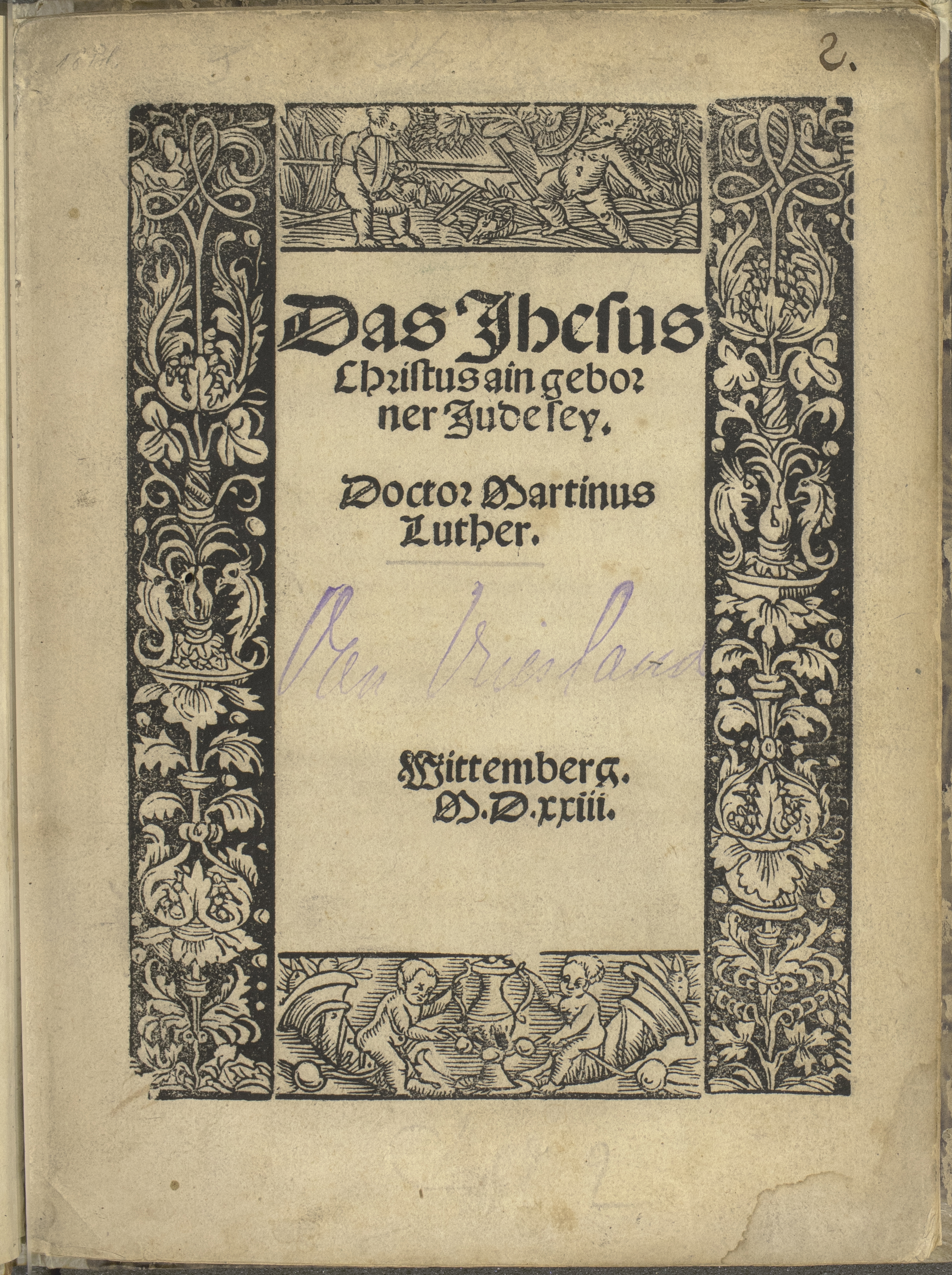 Text
Text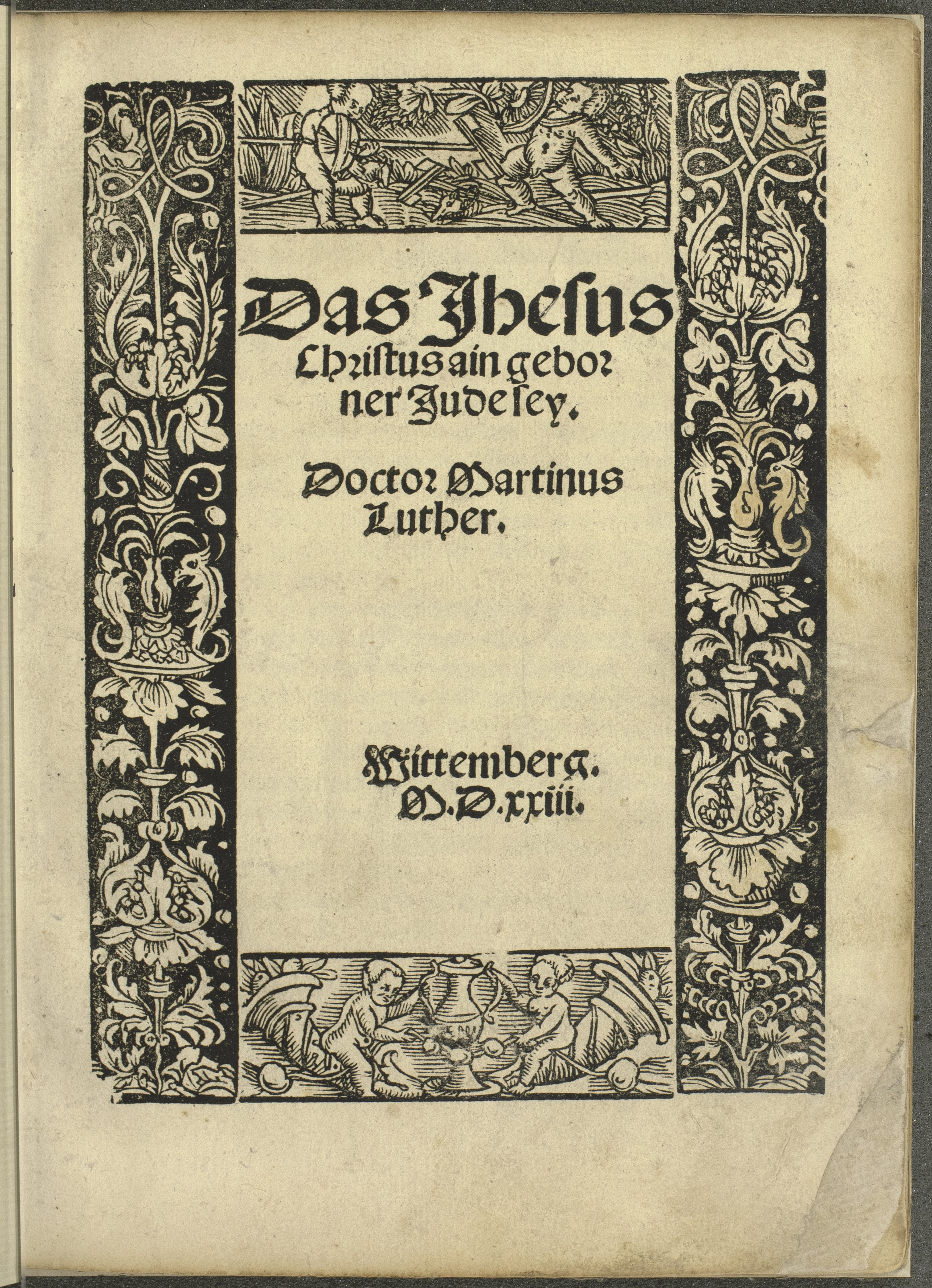 Text
Text Text
Text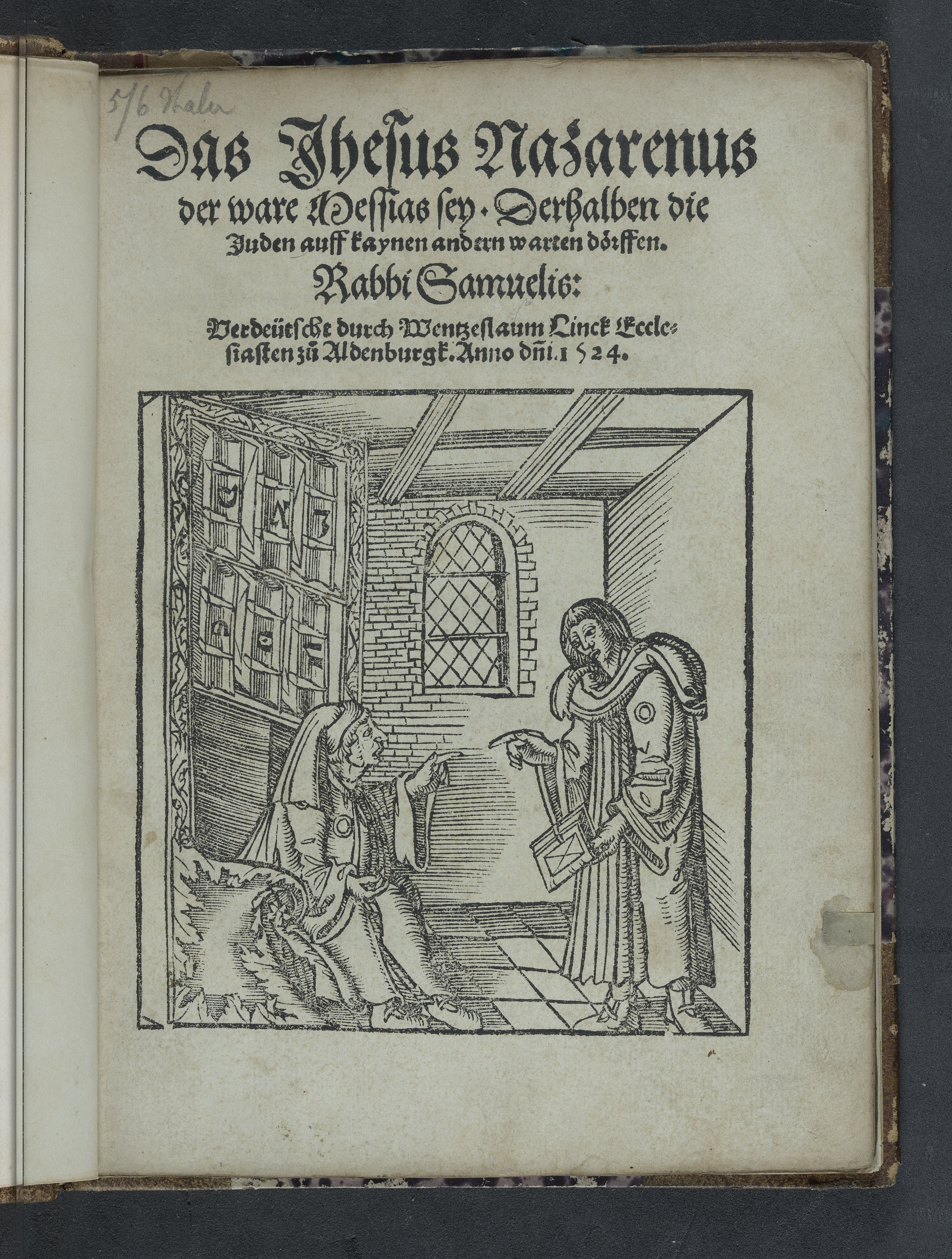 Text
Text Still image
 Still image