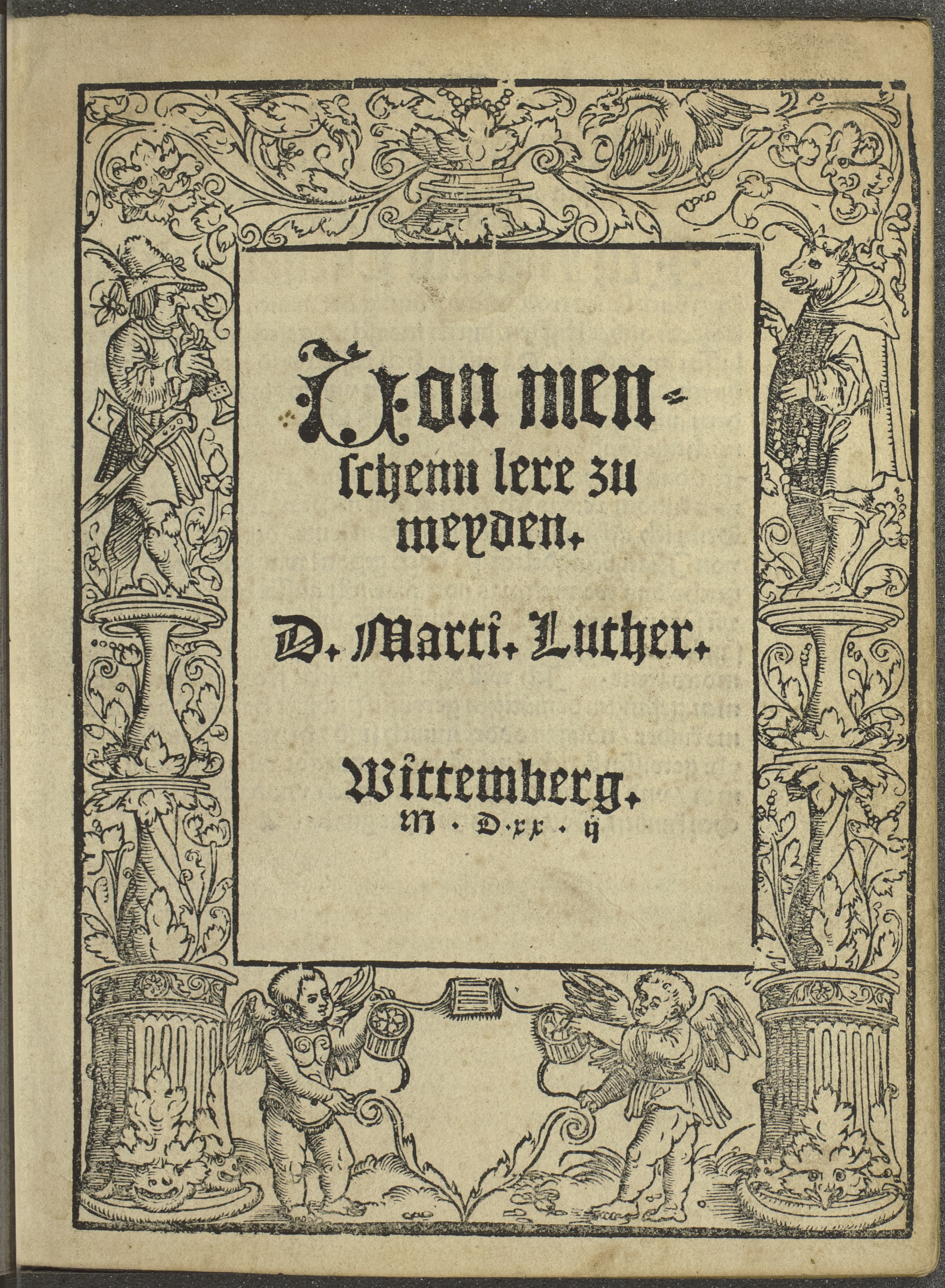
Summary: A treatise by Luther on the relationship of belief and practice, intended for those "poor consciences, that lie captive to human laws in cloisters and monastic foundations", as he puts it in his preface. It is also noteworthy that Luther assumes his audience includes both those who could read his writings directly, and those who heard them read by others, when he dedicates his pamphlet "to all who read or hear this little book".
Summary: A treatise by Luther on the relationship of belief and practice, intended for those "poor consciences, that lie captive to human laws in cloisters and monastic foundations", as he puts it in his preface. It is also noteworthy that Luther assumes his audience includes both those who could read his writings directly, and those who heard them read by others, when he dedicates his pamphlet "to all who read or hear this little book".
Summary: This is Luther's tract on auricular confession. The sacrament of penance was the focus of Luther's most vehement criticisms. Not only was the sacrament the course of numerous abuses, indulgence selling among them, but attacks on the efficacy of priestly absolution called into question the sacramental authority of all priests, the pope included.
Summary: This is Luther's tract on auricular confession. The sacrament of penance was the focus of Luther's most vehement criticisms. Not only was the sacrament the course of numerous abuses, indulgence selling among them, but attacks on the efficacy of priestly absolution called into question the sacramental authority of all priests, the pope included.
Summary: Defense of the Catholic doctrine of good works against the Protestant teaching of salvation by faith alone, written by the Dominican Johann Mensing.
Summary: Defense of the Catholic doctrine of good works against the Protestant teaching of salvation by faith alone, written by the Dominican Johann Mensing.
Summary: J. Mensing was a Dominican opponent of Luther. Born in either Mageburg or Zutphen, Holland, he studied in Wittenberg and Frankfurt an der Oder, where he took his doctorate. He preached at Mageburg Cathedral 1522-1524 against the Reformers. In 1530, he was one of the Confutators of the Augsburg Confession. In 1534, he became provincial of the Dominicans, and in 1539, suffragan-bishop of Halberstedt. In this tract, Mensing defends Catholic interpretation of the Lord's Supper through references to scripture.
Summary: J. Mensing was a Dominican opponent of Luther. Born in either Mageburg or Zutphen, Holland, he studied in Wittenberg and Frankfurt an der Oder, where he took his doctorate. He preached at Mageburg Cathedral 1522-1524 against the Reformers. In 1530, he was one of the Confutators of the Augsburg Confession. In 1534, he became provincial of the Dominicans, and in 1539, suffragan-bishop of Halberstedt. In this tract, Mensing defends Catholic interpretation of the Lord's Supper through references to scripture.
Summary: Only printing of a Lutheran pamphlet by an anonymous preacher from Southern Germany on the subject of baptism and other ceremonies in the Catholic church, with an introduction by Nicolaus Gallus.
Summary: Only printing of a Lutheran pamphlet by an anonymous preacher from Southern Germany on the subject of baptism and other ceremonies in the Catholic church, with an introduction by Nicolaus Gallus.
Summary: Interpretive pamphlet by Erasmus on the true nature of pilgrimage, as espoused by Jesus in Matthew XI, 28. Erasmus says that true pilgrimage is undertaken with spiritual, and not with physical feet, and, that Jesus receives all sincere pilgrims equally, whether they be clergy or lay, rich or poor, etc.
Summary: Interpretive pamphlet by Erasmus on the true nature of pilgrimage, as espoused by Jesus in Matthew XI, 28. Erasmus says that true pilgrimage is undertaken with spiritual, and not with physical feet, and, that Jesus receives all sincere pilgrims equally, whether they be clergy or lay, rich or poor, etc.
Summary: Luther's last great reckoning with the pope, issued in the year before his death, is a particularly biting satire. In the tract, Luther attacks both Divine and ecclesiastical legitimacy for the papacy.
Summary: Luther's last great reckoning with the pope, issued in the year before his death, is a particularly biting satire. In the tract, Luther attacks both Divine and ecclesiastical legitimacy for the papacy.
Summary: The Franciscan Augustine of Alveldt wrote this polemical tract in response to Luther's pamphlet "Widder den newen Abgott und alten Teuffel" which criticized the recent canonization of Bishop Benno of Mainz.
Summary: The Franciscan Augustine of Alveldt wrote this polemical tract in response to Luther's pamphlet "Widder den newen Abgott und alten Teuffel" which criticized the recent canonization of Bishop Benno of Mainz.
 Text
Text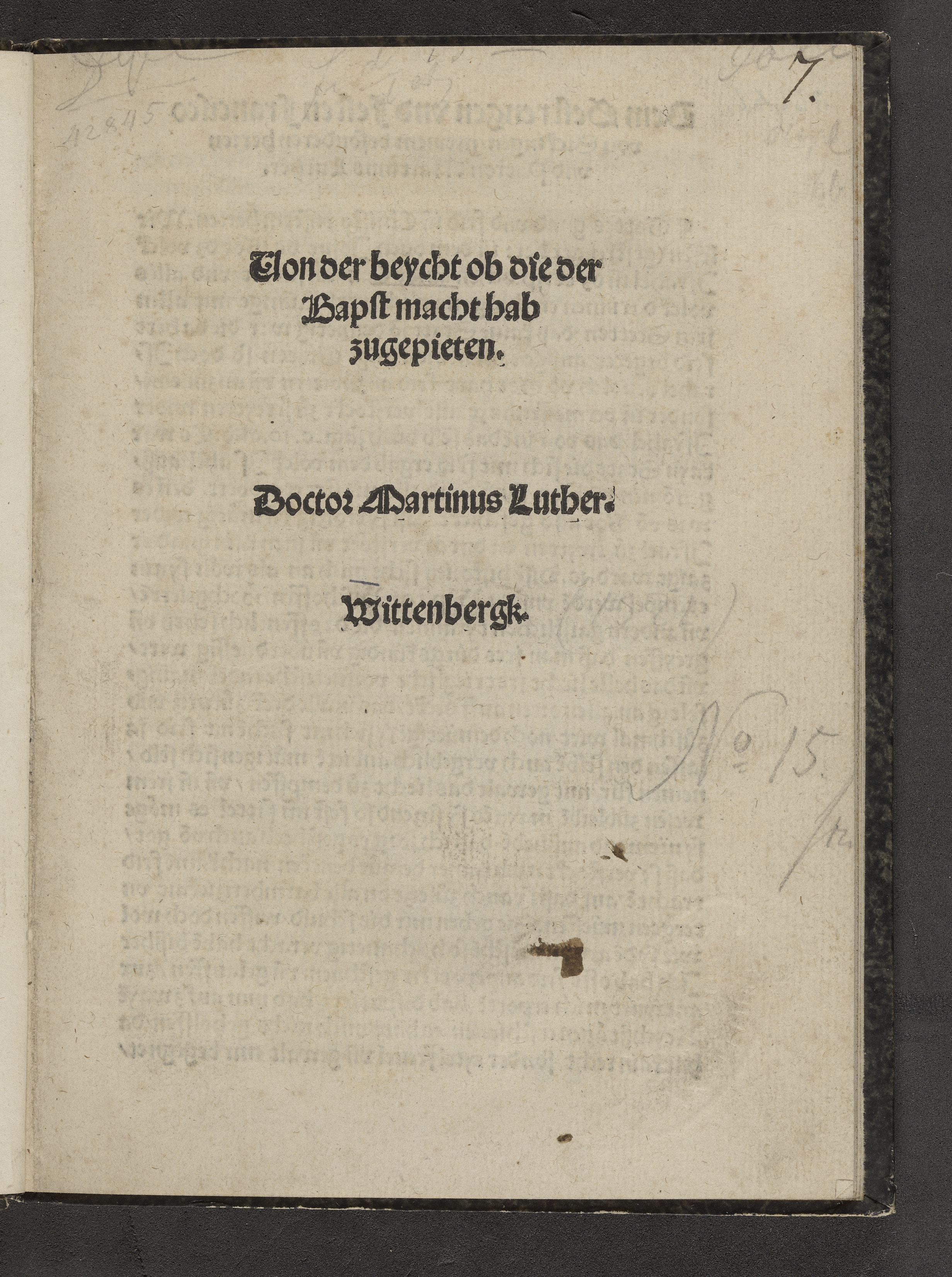 Text
Text Text
Text Text
Text Text
Text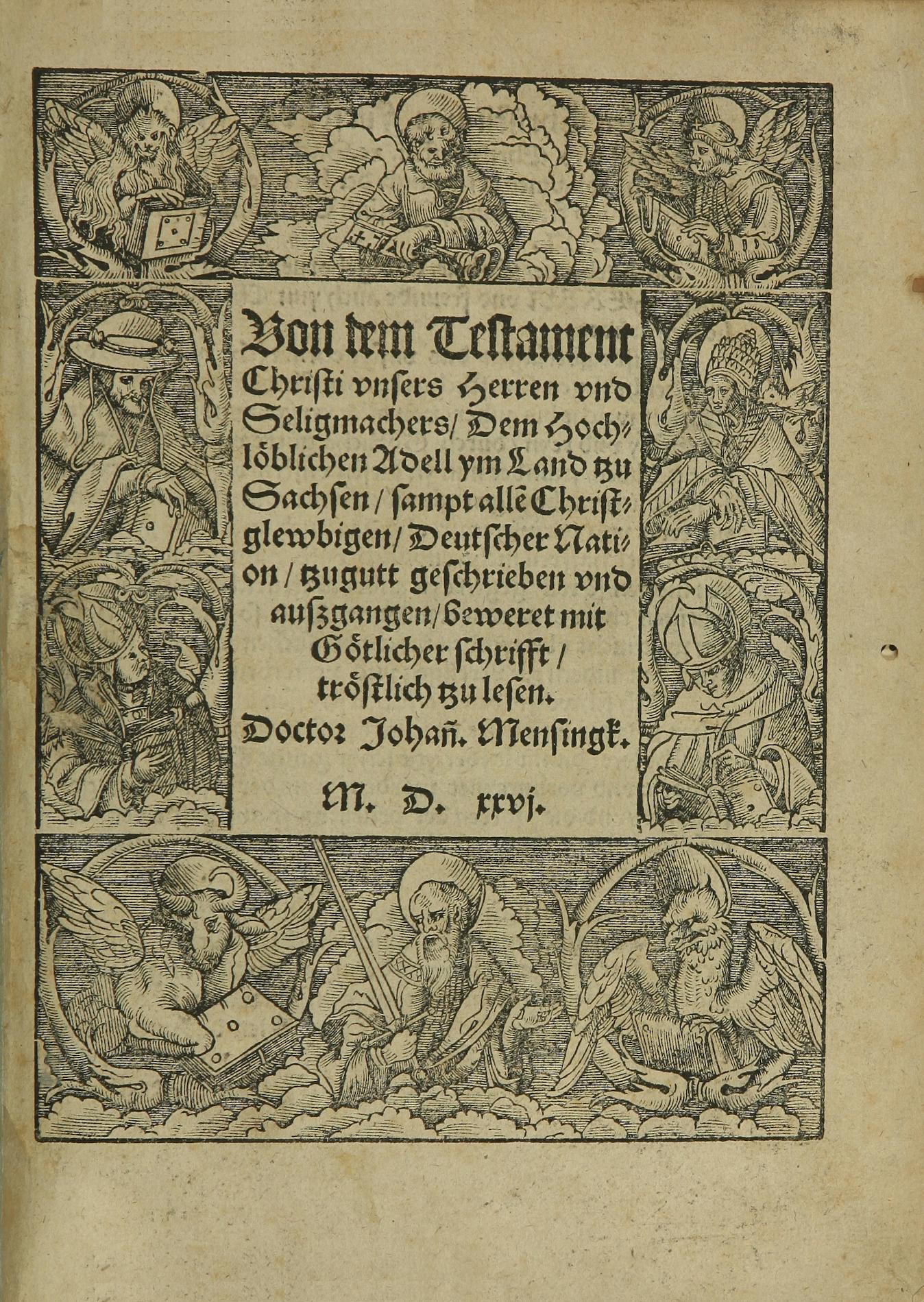 Text
Text Text
Text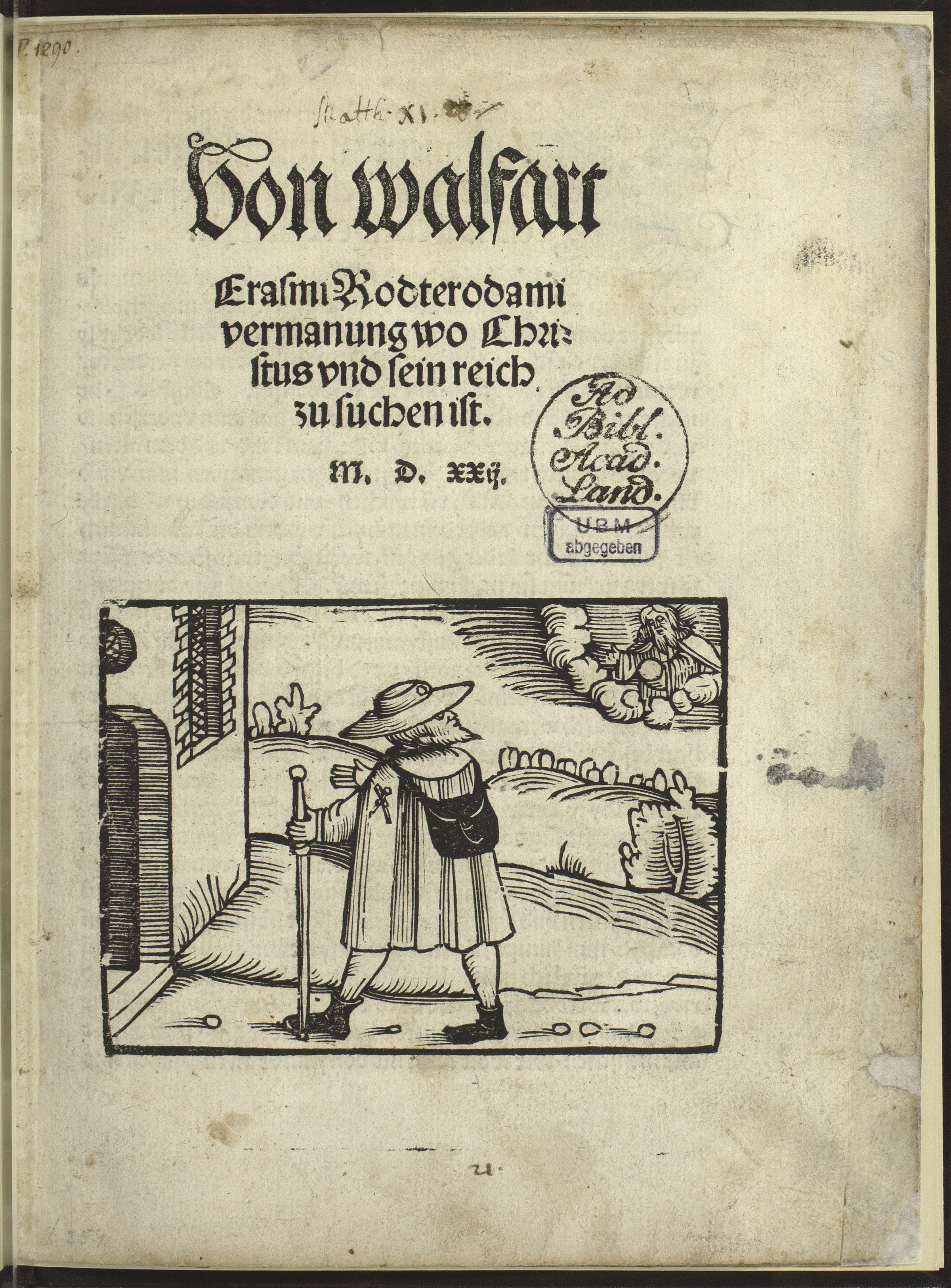 Text
Text Text
Text Text
Text