Summary: Sixth printing of a letter addressed to Albrecht von Brandenburg (later Albert, Duke of Prussia) the new General of the Teutonic Knights. In response to a question by the general, Luther applies his critique of monastic celibacy to military orders, stressing that it is pleasing to God to have families and to raise children.
Summary: Sixth printing of a letter addressed to Albrecht von Brandenburg (later Albert, Duke of Prussia) the new General of the Teutonic Knights. In response to a question by the general, Luther applies his critique of monastic celibacy to military orders, stressing that it is pleasing to God to have families and to raise children.
Summary: Kilian Leib was the prior of the Augustinian monastery at Rebdorf near Ingolstadt. He was a vehement opponent of the Lutheran movement and was involved in the drafting of the Confutatio Augustana. In this tract he defends priestly celibacy and chastity.
Summary: Kilian Leib was the prior of the Augustinian monastery at Rebdorf near Ingolstadt. He was a vehement opponent of the Lutheran movement and was involved in the drafting of the Confutatio Augustana. In this tract he defends priestly celibacy and chastity.
Summary: Essay on the historical and Scriptural foundations of clerical marriage, written following the marriage of Wolfgang Reissenbusch, Praeceptor of the Collegial Church of St. Antonius in Lichtenberg.
Summary: Essay on the historical and Scriptural foundations of clerical marriage, written following the marriage of Wolfgang Reissenbusch, Praeceptor of the Collegial Church of St. Antonius in Lichtenberg.
Summary: Response by Pietro Martire Vermigli, Italian Visitor General of the Augustinian Order, who fled to Switzerland rather than face charges of heresy, to the books of English Catholic, Richard Smith, on celibacy and monastic vows.
Summary: Response by Pietro Martire Vermigli, Italian Visitor General of the Augustinian Order, who fled to Switzerland rather than face charges of heresy, to the books of English Catholic, Richard Smith, on celibacy and monastic vows.
Summary: First published earlier the same year, Luther's pamphlet Defense of the doctrines of men was one of Luther's most widely read writings with approximately twenty editions appearing in the years 1522 and 1523. Written in honor of Hans von Belepsch who had hosted Luther at the Wartburg as the reformer translated the New Testament. Luther argues that church teachings that have no basis in the Bible, in particular fasting and celibacy, are illegitimate and are to be avoided.
Summary: First published earlier the same year, Luther's pamphlet Defense of the doctrines of men was one of Luther's most widely read writings with approximately twenty editions appearing in the years 1522 and 1523. Written in honor of Hans von Belepsch who had hosted Luther at the Wartburg as the reformer translated the New Testament. Luther argues that church teachings that have no basis in the Bible, in particular fasting and celibacy, are illegitimate and are to be avoided.
Summary: Luther addresses the monastic rules of fasting, obedience and celibacy, arguing that they have no foundation in scripture and that a transgression of these rules is therefore no sin. At the same time, Luther warns that a transgression of monastic rules in itself is by no means a sign of faith or internalized piety.
Summary: Luther addresses the monastic rules of fasting, obedience and celibacy, arguing that they have no foundation in scripture and that a transgression of these rules is therefore no sin. At the same time, Luther warns that a transgression of monastic rules in itself is by no means a sign of faith or internalized piety.
Eberlin von Günzburg, Johann, approximately 1470-1533
Summary: Johann Eberlin von Günzburg was a former Franciscan who had left the order and joined the Lutheran Reformation in 1521. This is the second edition of his tract on the dangers of priestly celibacy. He himself was married in 1524 and had four children. The title page woodcut shows the wedding of three different priests, including one to a nun.
Summary: Johann Eberlin von Günzburg was a former Franciscan who had left the order and joined the Lutheran Reformation in 1521. This is the second edition of his tract on the dangers of priestly celibacy. He himself was married in 1524 and had four children. The title page woodcut shows the wedding of three different priests, including one to a nun.
 Text
Text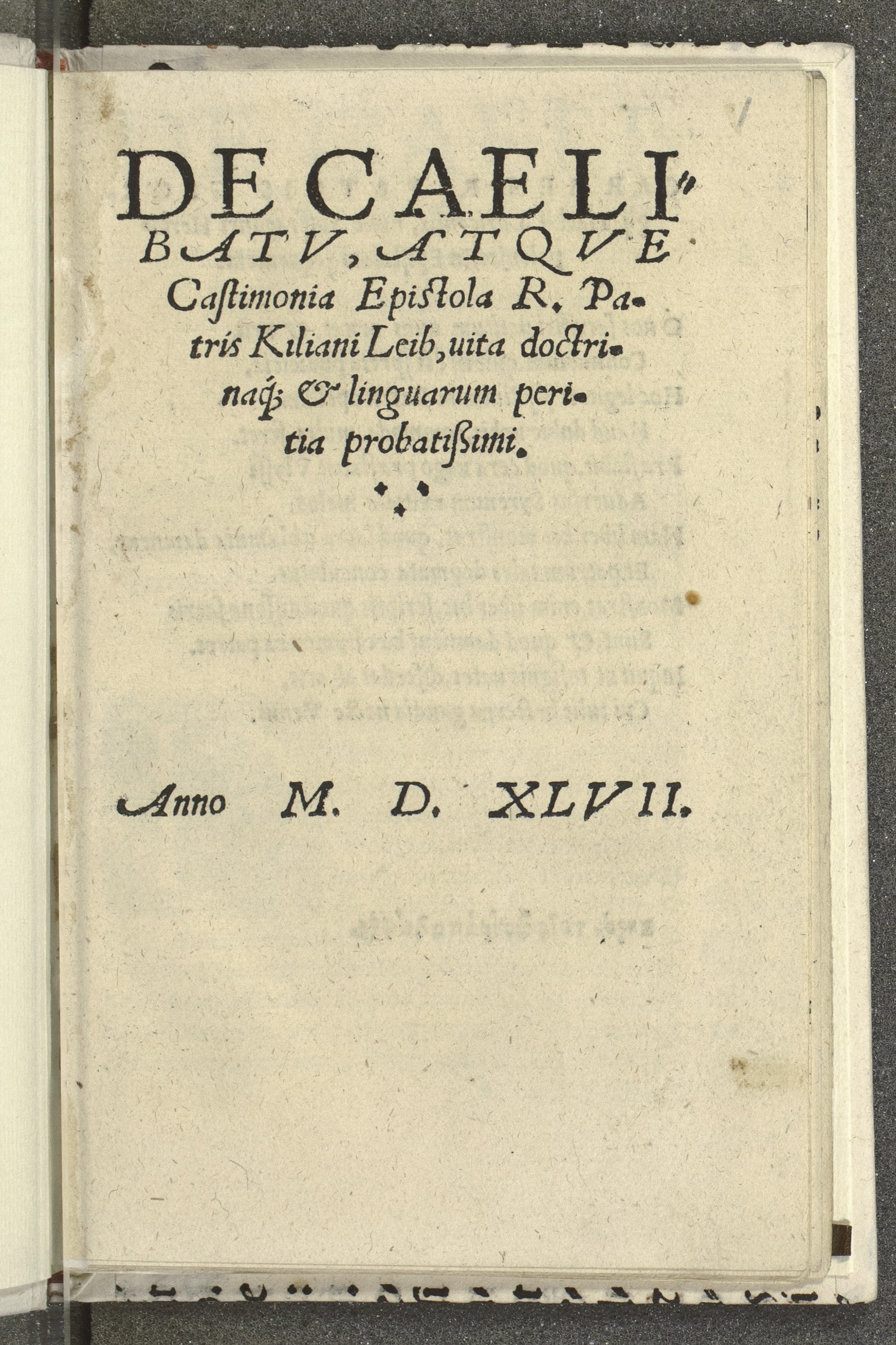 Text
Text Text
Text Text
Text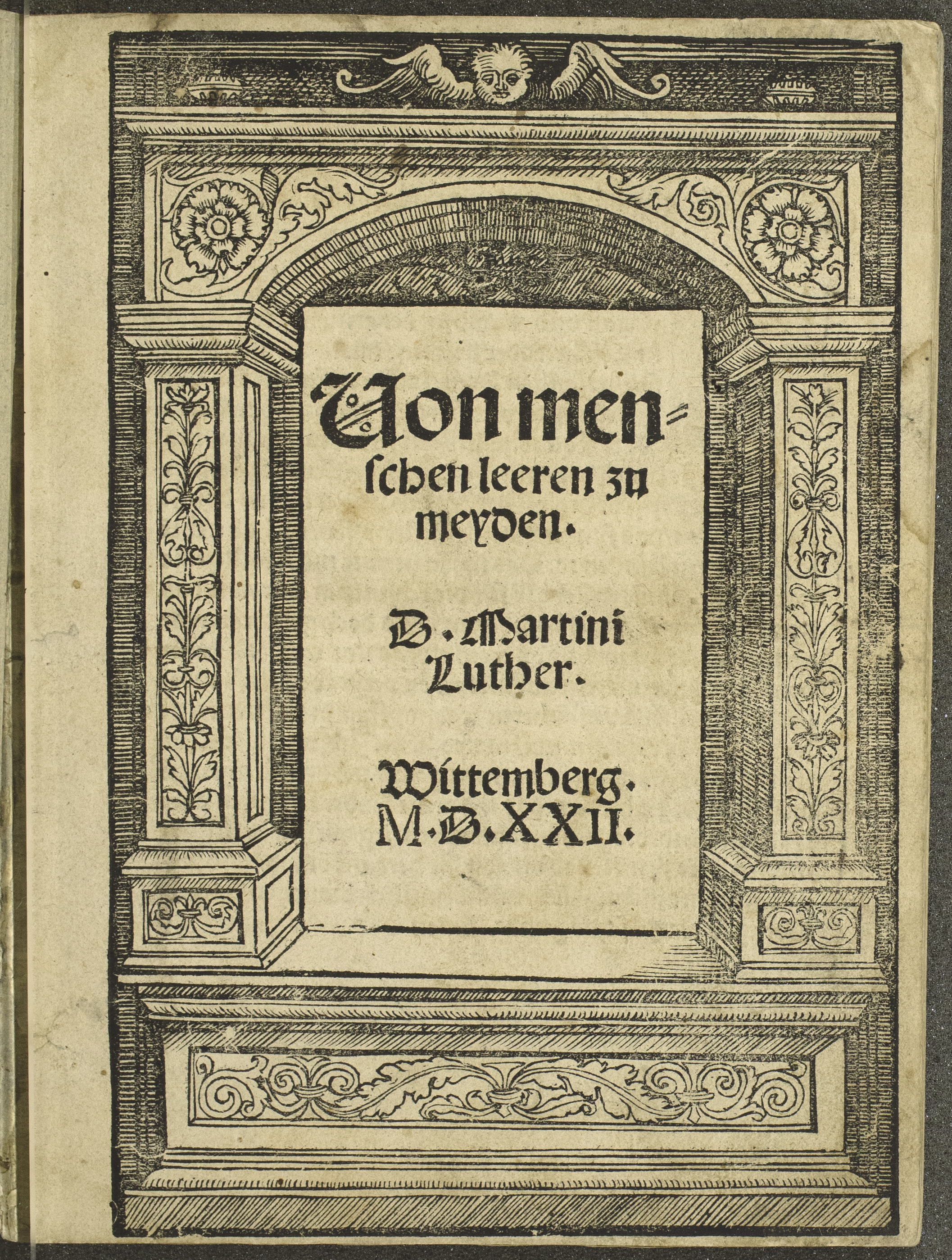 Text
Text Text
Text Text
Text Text
Text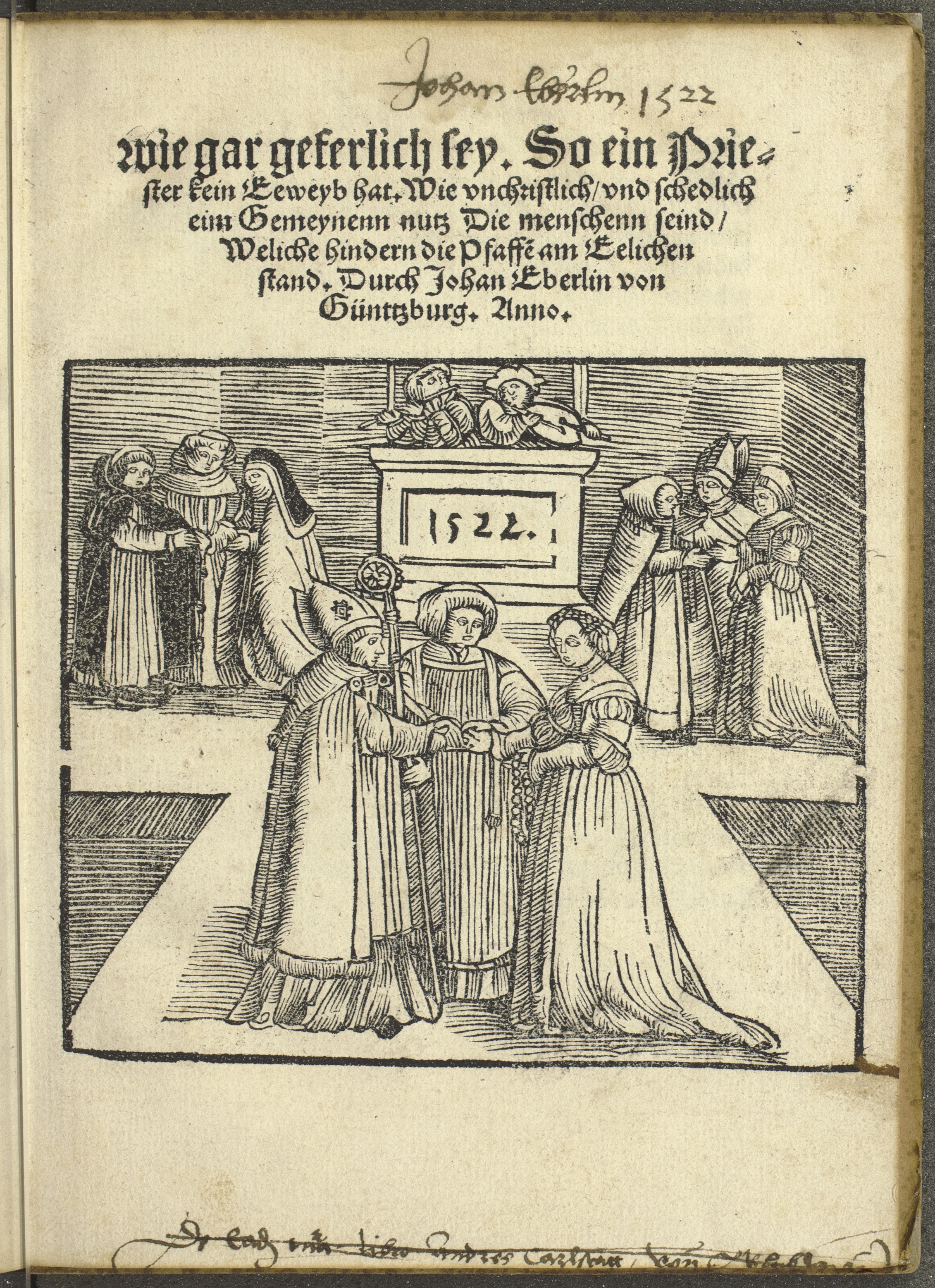 Text
Text