Search
182 resources
182 items
Creator
Luther, Martin, 1483-1546
-
 Text
TextDer hundert vn[d] siben vn[d] zwaintzigest Psalm ausgelegt, an die Christen zu Rigen in Liffland
Luther, Martin, 1483-1546Summary: Luther's first attempts to communicate with the Protestants at Riga were unsuccessful. Later, communications were established, and this commentary on Psalm 127 was the result of their request for something edifying. This is the seventh printing of the work.Summary: Luther's first attempts to communicate with the Protestants at Riga were unsuccessful. Later, communications were established, and this commentary on Psalm 127 was the result of their request for something edifying. This is the seventh printing of the work. -
 Text
TextDer hundert vnd eylffte Psalm aussgelegt
Luther, Martin, 1483-1546Summary: 1531 printing of Luther's commentary on Psalm 111, written 1530 while he was staying at Coburg Fortress during the time of the Diet of Augsburg.Summary: 1531 printing of Luther's commentary on Psalm 111, written 1530 while he was staying at Coburg Fortress during the time of the Diet of Augsburg. -
 Text
TextDer hundert vnnd siben vnd zwaintzigest Psalm, aussgelegt, an die Christen zuo Rigen in Liffland
Luther, Martin, 1483-1546Summary:Summary: -
 Text
TextDie Epistel S. Paul an die Galater
Luther, Martin, 1483-1546Summary: In August 1523, a second revision of Luther's 1519 Galatians commentary was issued by Luther himself. V. Heydnecker (who may have been V. Obsopaeus) prepared this German translation of the work. Text in German includes M. Luther's translation of St. Paul's Epistle to the Galatians from the Greek N.T. Text is translated from M. Luther's Latin work: In epistolam Sancti Pauli ad Galatas commentarius (1519) by V. Heydnecker, who some scholars believe was V. Obsopäus. Text is translation of the 2nd version of Luther's work.Summary: In August 1523, a second revision of Luther's 1519 Galatians commentary was issued by Luther himself. V. Heydnecker (who may have been V. Obsopaeus) prepared this German translation of the work. Text in German includes M. Luther's translation of St. Paul's Epistle to the Galatians from the Greek N.T. Text is translated from M. Luther's Latin work: In epistolam Sancti Pauli ad Galatas commentarius (1519) by V. Heydnecker, who some scholars believe was V. Obsopäus. Text is translation of the 2nd version of Luther's work. -
 Text
TextDie Sieben puszpsalm mit deutscher auszlegu[n]g nach dem schrifttlichen synne tzu Christi vn[d] gottis gnaden, neben seyns selben. ware erkentniss gru[n]dlich gerichtet.. 1517
Luther, Martin, 1483-1546Summary: The first edition of Martin Luther's first book, this is Luther's commentary on the seven penitential Psalms (Psalms 6, 32, 38, 51, 102, 130, and 143) based on his lectures at the University of Wittenberg and published in March1517, six months before his 95 Theses. The Reformer's understanding of repentance, penance and grace, influenced by the medieval mystic Johannes Tauler, became central to his theology and underlies his later critique of indulgences. Luther revised this commentary in 1525.Summary: The first edition of Martin Luther's first book, this is Luther's commentary on the seven penitential Psalms (Psalms 6, 32, 38, 51, 102, 130, and 143) based on his lectures at the University of Wittenberg and published in March1517, six months before his 95 Theses. The Reformer's understanding of repentance, penance and grace, influenced by the medieval mystic Johannes Tauler, became central to his theology and underlies his later critique of indulgences. Luther revised this commentary in 1525. -
 Text
TextDie bekentnus Doctoris Martini Luthers auff den yetzigen Angesteltenn Reychstag zu Augspurg einzuolegen : in Siebenzehen Artickel verfasset
Luther, Martin, 1483-1546Summary: One of at least 11 printings produced in 1530 of the Schwabach Articles, 17 articles of faith composed by Luther 1529 in Schwabach. It became one of the foundational documents for the Augsburg Confession.Bound in modern dark green morocco, bordered, blind- and gilt-tooled, with inside dentelles, gold spine title, and gilt edges. Upper board scratched.Summary: One of at least 11 printings produced in 1530 of the Schwabach Articles, 17 articles of faith composed by Luther 1529 in Schwabach. It became one of the foundational documents for the Augsburg Confession.Bound in modern dark green morocco, bordered, blind- and gilt-tooled, with inside dentelles, gold spine title, and gilt edges. Upper board scratched. -
 Text
TextDie weyse der Mess, vn[d] geniessung des hochwirdigen Sacrame[n]ts, für die Christliche gemain verteütscht
Luther, Martin, 1483-1546Summary: First published in Latin in 1523, Luther defines in this tract the order of the Sunday worship service and the distribution of communion. This pamphlet is an important forerunner of Luther's "Deutsche Messe" (German Mass) published in 1526.Summary: First published in Latin in 1523, Luther defines in this tract the order of the Sunday worship service and the distribution of communion. This pamphlet is an important forerunner of Luther's "Deutsche Messe" (German Mass) published in 1526. -
 Text
TextDie weysse der Messz, : vnnd geniesung des Hochwirdigen Sacraments, für die Christliche Gemayn verteütscht
Luther, Martin, 1483-1546Summary: Luther wrote his "Formula of the Mass and Communion" in 1523 at the insistence of N. Hausmann, the preacher at the Marienkirche, in Zwickau. Hausmann then wanted a German version to be used in his church. P. Speratus supplied one, and an unnamed Nuremberg translator supplied another. This is that Nuremberg work's first printing.Summary: Luther wrote his "Formula of the Mass and Communion" in 1523 at the insistence of N. Hausmann, the preacher at the Marienkirche, in Zwickau. Hausmann then wanted a German version to be used in his church. P. Speratus supplied one, and an unnamed Nuremberg translator supplied another. This is that Nuremberg work's first printing. -
 Text
TextDisputaciones circulatim expediendae
Luther, Martin, 1483-1546Summary: This disputation centered around the question of whether the German princes could offer armed resistance to the Emperor, and whether they ought to support him in his war against the Turks. Luther came to believe that any support of the Emperor when he was acting in a religious capacity (in league with the pope) was wrong, because the pope was acting contrary to the Gospel. This is the first (and only) printing of this revised version of these theses. It contains 91 theses, whereas the first version (written before the Emperor and princes had come to terms) contained only 70 theses.Summary: This disputation centered around the question of whether the German princes could offer armed resistance to the Emperor, and whether they ought to support him in his war against the Turks. Luther came to believe that any support of the Emperor when he was acting in a religious capacity (in league with the pope) was wrong, because the pope was acting contrary to the Gospel. This is the first (and only) printing of this revised version of these theses. It contains 91 theses, whereas the first version (written before the Emperor and princes had come to terms) contained only 70 theses. -
 Text
TextDisputatio D. Iohannis Eccij et P. Martini Luther in Studio Lipsensi. futura
Luther, Martin, 1483-1546Summary: Response by Luther to the theses of Johann Eck, who had previously been in debate with Luther's colleague, Karlstadt. The face to face clash would come some six months later at the end of June, 1519.Summary: Response by Luther to the theses of Johann Eck, who had previously been in debate with Luther's colleague, Karlstadt. The face to face clash would come some six months later at the end of June, 1519. -
 Text
TextDisputatio domini Johannis Eccij et P. Martini Luther in Studio Lipsiensi futura
Luther, Martin, 1483-1546Summary: This is Luther's first public attack on Johannes Eck. Included in this volume are Eck's letter of Dec. 24, 1518 in which he records his theological differences with Karlstadt, and Eck's own 12 theses with Luther's response.Summary: This is Luther's first public attack on Johannes Eck. Included in this volume are Eck's letter of Dec. 24, 1518 in which he records his theological differences with Karlstadt, and Eck's own 12 theses with Luther's response. -
 Text
TextDisputatio et excusatio
Luther, Martin, 1483-1546Summary: A response by Luther to the accusations leveled at him at the Leipzig Disputation by his opponent, Johann Eck.Summary: A response by Luther to the accusations leveled at him at the Leipzig Disputation by his opponent, Johann Eck. -
 Text
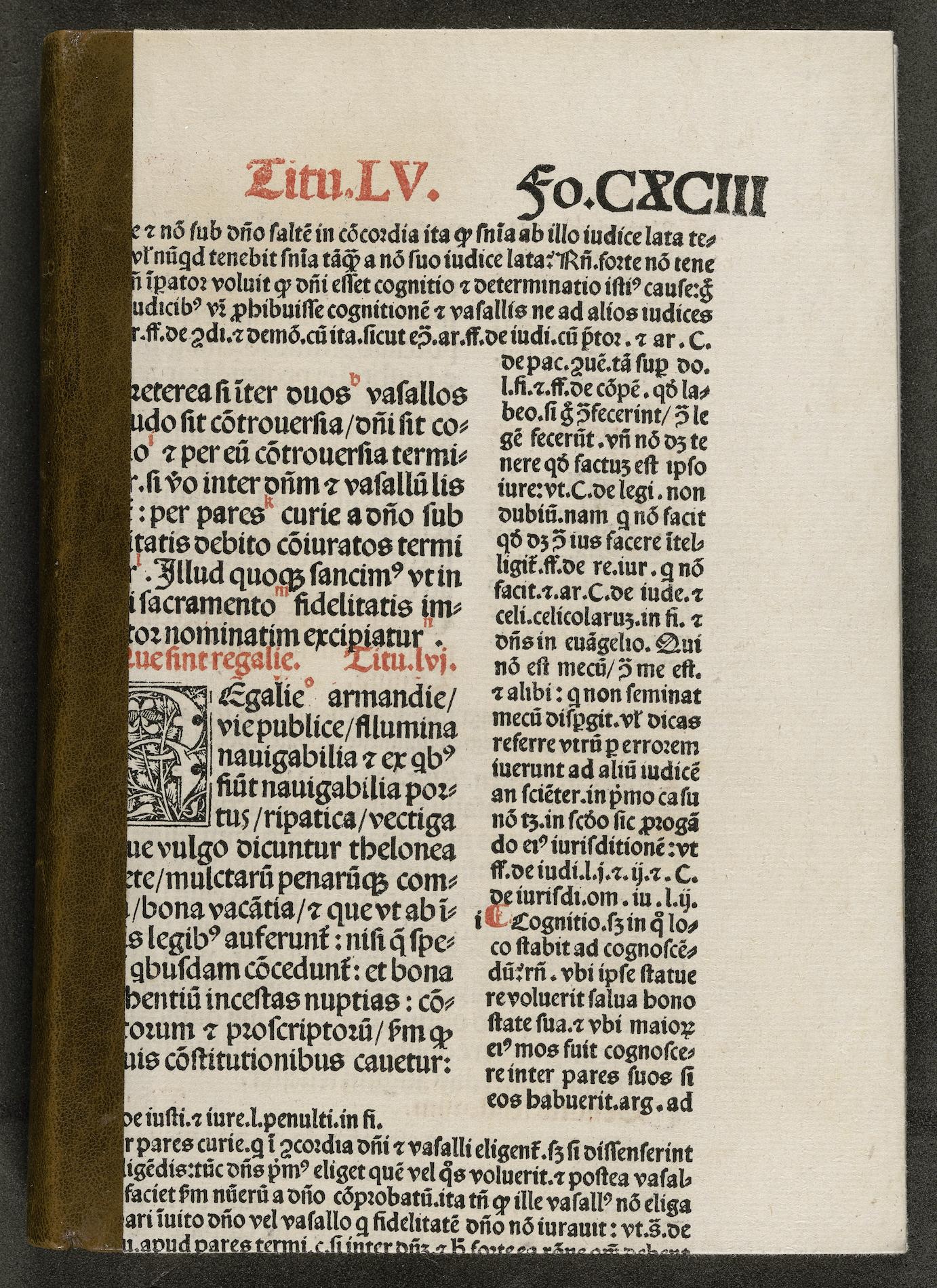
TextDisputatio inter Egregios & praelatus virus ac doctores, Joannem Ecci[um] & Martinum Lutherum in p[rae]sentia notariorum habita
Luther, Martin, 1483-1546Summary: Unique printing of the original notarial protocol of the Leipzig Disputation between Andreas Karlstadt and Martin Luther on the one hand, and Johann Eck, on the other. Includes fully two thirds of the several day debate, and all of the famous "duel" between Luther and Eck on authority in the church. The debates were copied by two notaries, and, at the end of each day's sessions, were verified by two witnesses.Summary: Unique printing of the original notarial protocol of the Leipzig Disputation between Andreas Karlstadt and Martin Luther on the one hand, and Johann Eck, on the other. Includes fully two thirds of the several day debate, and all of the famous "duel" between Luther and Eck on authority in the church. The debates were copied by two notaries, and, at the end of each day's sessions, were verified by two witnesses. -
 Text
TextDoctor Martinus Luther Augustiners Vnterricht auff etlich Artickell die im vonn seynen Abgūrnern auff gelegt vn[d] zu gemessen werden
Luther, Martin, 1483-1546Summary: Luther was persuaded by Karl von Miltitz to write this public statement as a response to certain charges brought against him by his opponents, in particular Mazzolini da Prierio. In this tract, Luther still supports the invocation of the saints, an idea which he abandoned only shortly after.Summary: Luther was persuaded by Karl von Miltitz to write this public statement as a response to certain charges brought against him by his opponents, in particular Mazzolini da Prierio. In this tract, Luther still supports the invocation of the saints, an idea which he abandoned only shortly after. -
 Text
TextDoctor Martinus Luthers antwort auff die tzedel : szo vnter des Officials tzu Stolpen sigel ist ausgangen
Luther, Martin, 1483-1546Summary: The first of five printings in 1520 of an answer to an attack on Luther issued under the seal and authority of Albert, Archbishop of Mainz.Summary: The first of five printings in 1520 of an answer to an attack on Luther issued under the seal and authority of Albert, Archbishop of Mainz. -
 Text
TextDoctor Martinus Lutthers [sic] verteutschte schrifft an das capitel zuo Witte[n]berg : Wie man die ceremonie[n] der kirchen bessern soll allen hohen vnnd Nydern Stifften ser dienstlich. Wittemberg. M.D.xxiiij.
Luther, Martin, 1483-1546Summary: Luther's letter to the provost, dean and canons of All Saints' Church in Wittenberg, written August 19, 1523, discussing the nature of the mass and his reasons for abolishing masses for the dead and for saints.Summary: Luther's letter to the provost, dean and canons of All Saints' Church in Wittenberg, written August 19, 1523, discussing the nature of the mass and his reasons for abolishing masses for the dead and for saints. -
 Text
TextDoctoris Martini Luther Appellation oder Berüffung an eyn christlich frey Conciliu[m] vo[n] dem Bapst Leo vnnd seynem vnrechtm Freuel vorneweret vnd repetiret
Luther, Martin, 1483-1546Summary: Despite his lack of success in appealing to the Pope for an Ecumenical Council in 1518, Luther repeats his call in this pamphlet, combining it with a special appeal to the emperor and to the German princes. This is the first printing of this work, produced outside the city of Wittenberg.Summary: Despite his lack of success in appealing to the Pope for an Ecumenical Council in 1518, Luther repeats his call in this pamphlet, combining it with a special appeal to the emperor and to the German princes. This is the first printing of this work, produced outside the city of Wittenberg. -
 Text
TextDoctoris Martini Luthers kurtz schlussrede von den gelöbten vnd geistlichen leben der klöster
Luther, Martin, 1483-1546Summary: Luther's "Theses on Monasticisms" came about as a partial response to Melanchthon's essay in Loci Communes. Melanchthon revised this section of the Loci to take Luther's criticism into account. Luther's work was translated into German by at least three translators none of whom can be named with certainty.Summary: Luther's "Theses on Monasticisms" came about as a partial response to Melanchthon's essay in Loci Communes. Melanchthon revised this section of the Loci to take Luther's criticism into account. Luther's work was translated into German by at least three translators none of whom can be named with certainty. -
 Text
TextDrey schön Sermon
Luther, Martin, 1483-1546Summary: Three sermons preached June 10, July 13, 20, 1522, on texts John 10:1 (unlawful entry into sheepfold), Luke 6:36 (Be merciful as God is), and Luke 5:1-11 (Peter's large catch of fish).Summary: Three sermons preached June 10, July 13, 20, 1522, on texts John 10:1 (unlawful entry into sheepfold), Luke 6:36 (Be merciful as God is), and Luke 5:1-11 (Peter's large catch of fish). -
 Text
TextEin Christlicher trostbriff an die Milttenberger, : wie sie sich an ihren feinden rechen sollen, auss dem C. vn[d] xix. Psalm.
Luther, Martin, 1483-1546Summary: This is the sixth printing of Luther's letter of consolation to the citizens of Miltenburg. Text in German includes Luther's German translation of Psalms CXX from the Hebrew O.T.Summary: This is the sixth printing of Luther's letter of consolation to the citizens of Miltenburg. Text in German includes Luther's German translation of Psalms CXX from the Hebrew O.T. -
 Text
TextEin Predig vber die Epistel, so man liset von den heiligen Engeln. Apoc. xij. Wittenberg. M.D.Xliiij
Luther, Martin, 1483-1546Summary: Sermon preached September 21, 1544, on text: Revelation XII, 7-12 (St Michael Archangel).Summary: Sermon preached September 21, 1544, on text: Revelation XII, 7-12 (St Michael Archangel).