Search
182 resources
182 items
Creator
Luther, Martin, 1483-1546
-
 Text
TextAm. [sic] Sermon. zü sant Mychael getho[n] zu Erffordt auff den tag der aylff Tausent junckfrauwen vom glauben vnd wercken
Luther, Martin, 1483-1546Summary: Sermon preached in Erfurt, October 21, 1522, on Matthew 25:1ff. (Wise and Foolish Virgins).Summary: Sermon preached in Erfurt, October 21, 1522, on Matthew 25:1ff. (Wise and Foolish Virgins). -
 Text
TextAn Kurfürsten zu Sachsen vnd Landgrauen zu Hessen
Luther, Martin, 1483-1546Summary: Addressed to Johann Friedrich of Saxony and Philipp of Hesse, relating to the imprisonment of Heinrich of Brunswick as a prisoner of war.Summary: Addressed to Johann Friedrich of Saxony and Philipp of Hesse, relating to the imprisonment of Heinrich of Brunswick as a prisoner of war. -
 Text
TextAn den Christlichen Adel deutscher Nation : von des Christlichen Standes Besserung
Luther, Martin, 1483-1546Summary: Fourth edition of the "Address to the Christian Nobility of the German Nation," one of Luther's most important pamphlets, in which he develops some of the central ideas of his theology, including the principle of universal priesthood. He also discusses the possibility of a German national church.Summary: Fourth edition of the "Address to the Christian Nobility of the German Nation," one of Luther's most important pamphlets, in which he develops some of the central ideas of his theology, including the principle of universal priesthood. He also discusses the possibility of a German national church. -
 Text
TextAn den Christlichen Adel deutscher Nation : von des Christlichen standes besserung
Luther, Martin, 1483-1546Summary: First edition and first printing of Luther's address "To the Christian nobility of the German nation" is the first of three great Reformation booklets Luther wrote 1520. This piece was completed in August and divided into three parts: (1) an attack on the Papacy and denial of its claims, (2) a list of abuses by the papacy and curia, and (3) a list of necessary reforms.Summary: First edition and first printing of Luther's address "To the Christian nobility of the German nation" is the first of three great Reformation booklets Luther wrote 1520. This piece was completed in August and divided into three parts: (1) an attack on the Papacy and denial of its claims, (2) a list of abuses by the papacy and curia, and (3) a list of necessary reforms. -
 Text
TextAn den Durchleüchtigen Hochgebornen Fürsten vnd Herren. Herrn Albrechten, Marggraffen zuo Brandenburg, in Preussen etc. Hertzogen etc.
Luther, Martin, 1483-1546Summary: After Albrecht, Duke of Prussia and last of the Masters of the Teutonic Knights, became a Protestant, he sought out preachers to fill the pulpits in his territory. Some were Lutherans, others were followers of Schwenckfeld. Luther here warns Albrecht about the heretical tendencies of the Schwenckfelders. Albrecht came increasingly under the influence of F. Von Heideck (a Schwenckfelder) and was not especially impressed by Luther's arguments against the use of John 6 in the interpretation of the Lord's Supper.Summary: After Albrecht, Duke of Prussia and last of the Masters of the Teutonic Knights, became a Protestant, he sought out preachers to fill the pulpits in his territory. Some were Lutherans, others were followers of Schwenckfeld. Luther here warns Albrecht about the heretical tendencies of the Schwenckfelders. Albrecht came increasingly under the influence of F. Von Heideck (a Schwenckfelder) and was not especially impressed by Luther's arguments against the use of John 6 in the interpretation of the Lord's Supper. -
 Text
TextAn den Durchleüchtigen Hochgepornen Fürsten vnd Herrn, Herrn Albrechten, Marggraffen zuo Brandenburg, inn Preussen [et]c. Hertzogen [et]c. Ein Sendbrief Doct. Mart. Luth. Wider ettliche Rottengeyster : Wittemberg, M.D.XXXII
Luther, Martin, 1483-1546Summary: Luther's reply to a letter from Duke Albrecht of Brandenburg, concerning the interpretation of John VI with reference to the Lord's Supper.Summary: Luther's reply to a letter from Duke Albrecht of Brandenburg, concerning the interpretation of John VI with reference to the Lord's Supper. -
 Text
TextAn die Herren deütschs Ordens : das sye falsche Keüscheit meyden, und zuor rechten eelichen Keuscheit greiffen, Ermanung
Luther, Martin, 1483-1546Summary: Sixth printing of a letter addressed to Albrecht von Brandenburg (later Albert, Duke of Prussia) the new General of the Teutonic Knights. In response to a question by the general, Luther applies his critique of monastic celibacy to military orders, stressing that it is pleasing to God to have families and to raise children.Summary: Sixth printing of a letter addressed to Albrecht von Brandenburg (later Albert, Duke of Prussia) the new General of the Teutonic Knights. In response to a question by the general, Luther applies his critique of monastic celibacy to military orders, stressing that it is pleasing to God to have families and to raise children. -
 Text
TextAn die Radherrn aller stedte deutsches lands : das sie Christliche schulen auffrichten vnd halten sollen
Luther, Martin, 1483-1546Summary: Radical reformers such as Karlstadt believed that education was unnecessary for faith. Luther argued against such a position, asking all cities to set up schools to teach correct doctrine. He also emphasized the need for teaching Latin and Greek as part of Christian education. This is the first printing of this important tract.Summary: Radical reformers such as Karlstadt believed that education was unnecessary for faith. Luther argued against such a position, asking all cities to set up schools to teach correct doctrine. He also emphasized the need for teaching Latin and Greek as part of Christian education. This is the first printing of this important tract. -
 Text
TextAn die Radtherren aller Stette teutsches lands : Das sy Christliche schuolen auffrichten vnd hallten sollen
Luther, Martin, 1483-1546Summary: This is the ninth printing of Luther's treatise addressed top the councilmen of Germany that they should promote the building of schools.Summary: This is the ninth printing of Luther's treatise addressed top the councilmen of Germany that they should promote the building of schools. -
 Text
TextAn die herren Deutschs Ordens, das sy falsche keuschhait meyden, : Vnd zuor rechten Eelichen Keuschhait greyffen, Ermanu[n]g
Luther, Martin, 1483-1546Summary: In 1523, Albert of Brandenburg-Ansbach, Grand Master of the Teutonic Knights formerly embraced Lutheranism and secularized the lands of the order in Prussia. Luther was named as his court preacher, and was one of Duke Albert's most trusted advisors. This is a letter to the members of the order, advising them to reject their vows of celibacy and marry.Summary: In 1523, Albert of Brandenburg-Ansbach, Grand Master of the Teutonic Knights formerly embraced Lutheranism and secularized the lands of the order in Prussia. Luther was named as his court preacher, and was one of Duke Albert's most trusted advisors. This is a letter to the members of the order, advising them to reject their vows of celibacy and marry. -
 Text
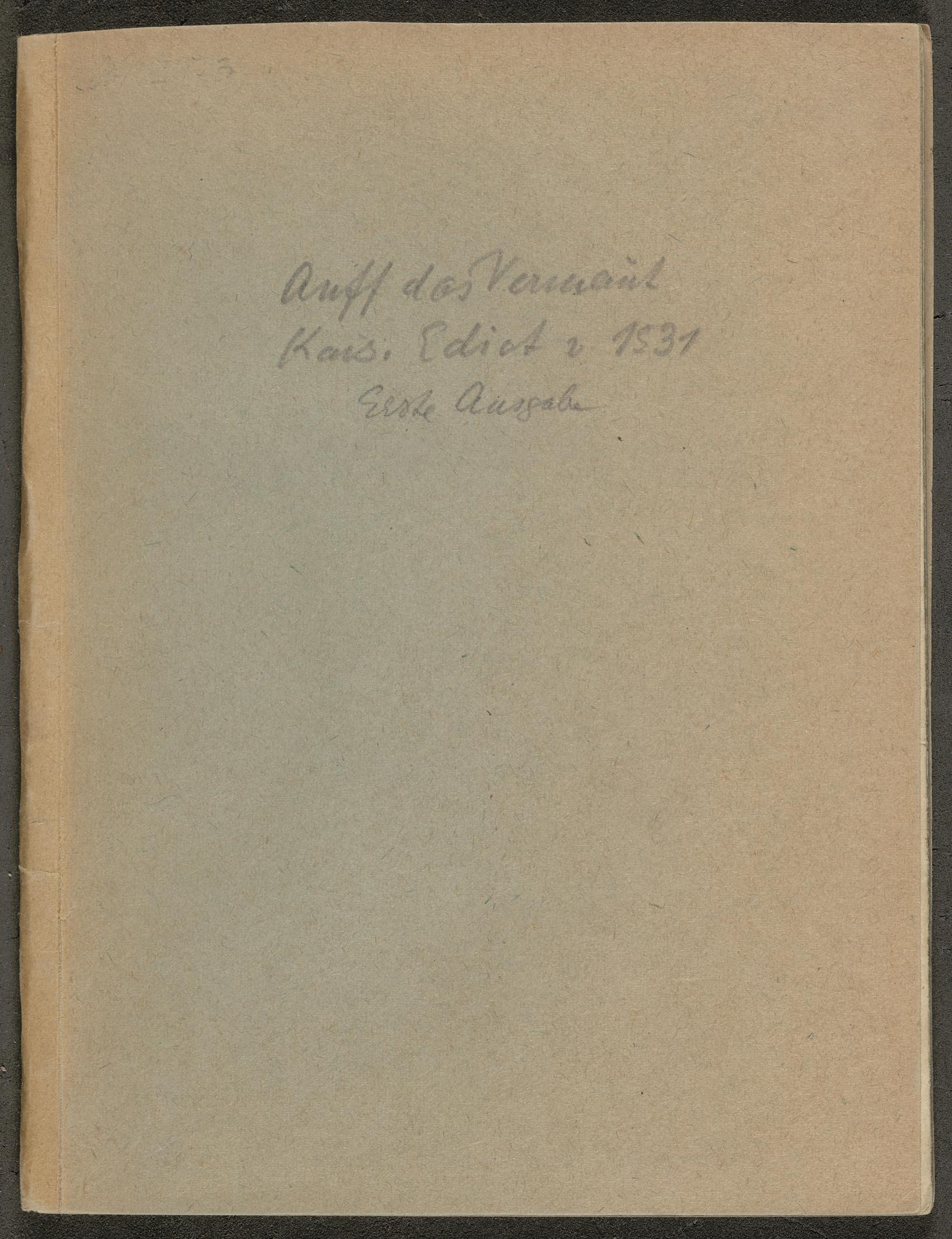
TextAuff das Vermeint Keiserlich Edict : Ausgangen jm 1531 jare nach dem Reichs tage des 1530 Jars. Glosa
Luther, Martin, 1483-1546Summary: In response to an ultimatum to the Lutheran princes and cities from Emperor Charles V to return to the pre-Reformation status quo within six months, Luther here issues some of his strongest polemic.Summary: In response to an ultimatum to the Lutheran princes and cities from Emperor Charles V to return to the pre-Reformation status quo within six months, Luther here issues some of his strongest polemic. -
 Text
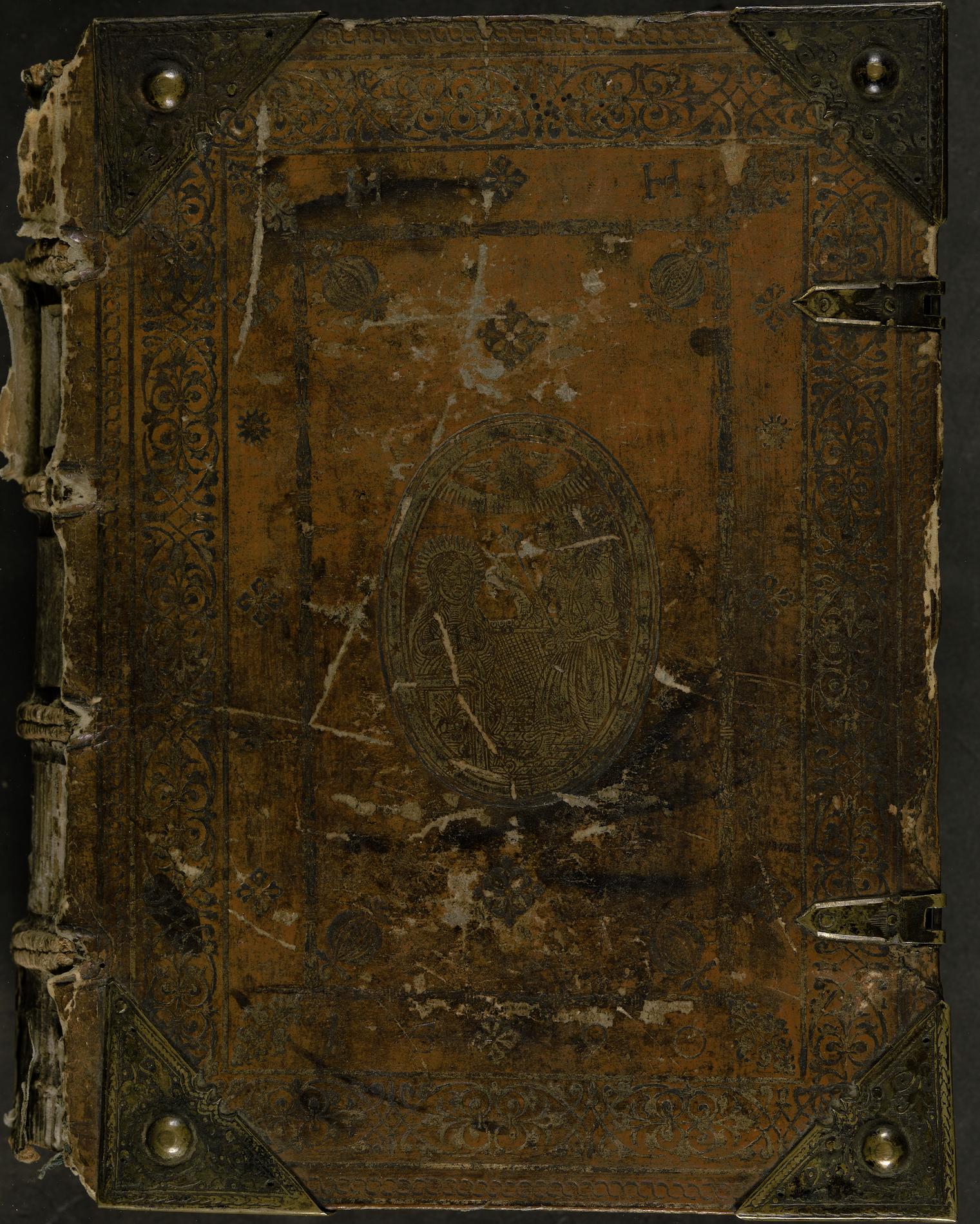
TextAuslegu[n]g der Evangelienn, von Ostern biss auffs Advent
Luther, Martin, 1483-1546Summary: This is the summer Section of Luther's postils, as edited by S. Roth. Luther was not at all pleased with Roth's slip-shod editing. Roth took sermons from whatever sources were available, including from other people (notably Bugenhagen) when copies of Luther sermons could not be found. He also conflicted some sermons, condensed others, and rewrote several.Summary: This is the summer Section of Luther's postils, as edited by S. Roth. Luther was not at all pleased with Roth's slip-shod editing. Roth took sermons from whatever sources were available, including from other people (notably Bugenhagen) when copies of Luther sermons could not be found. He also conflicted some sermons, condensed others, and rewrote several. -
 Text
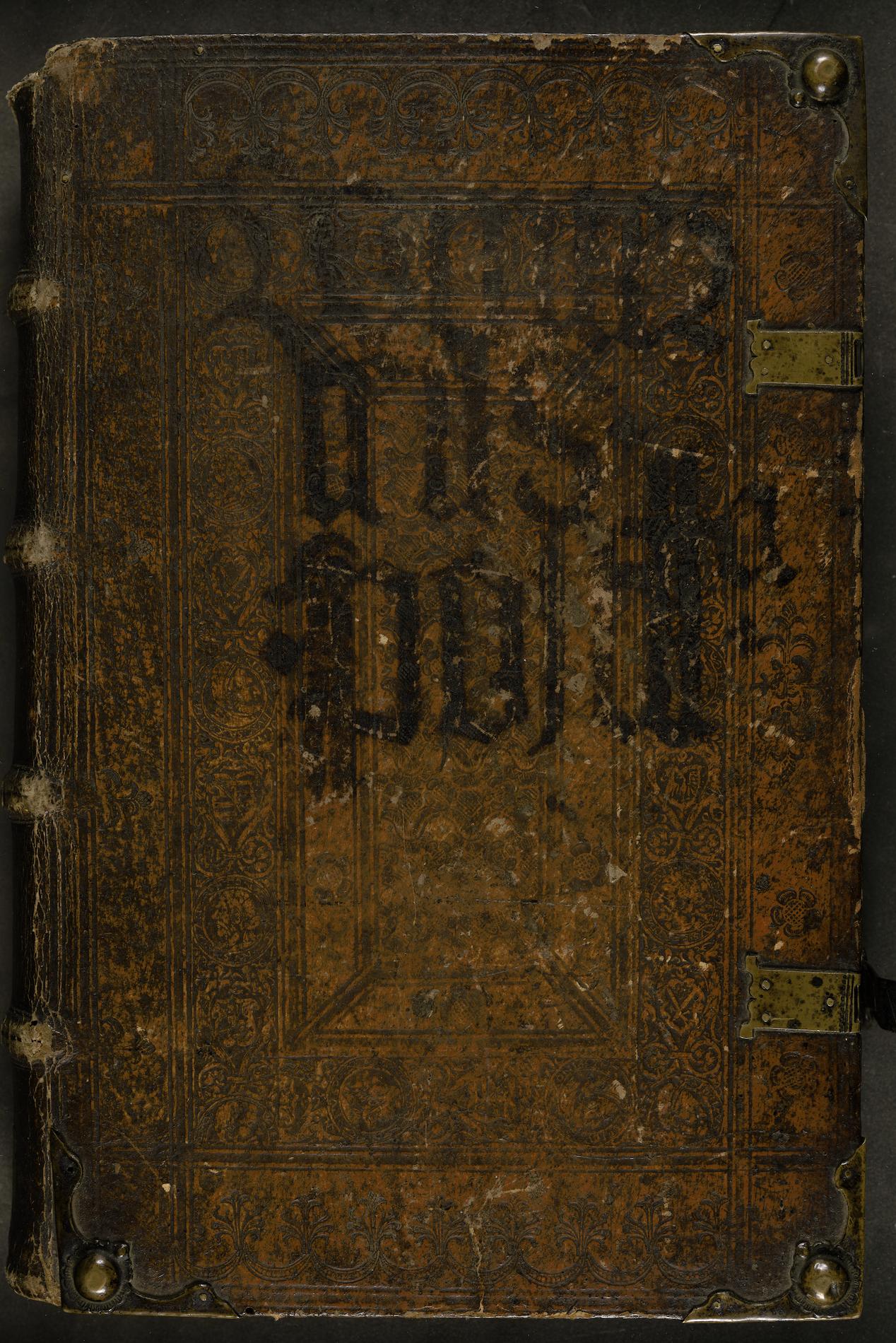
TextAuslegung der Episteln vnd Euangelien vom Advent an, bis auff Ostern
Luther, Martin, 1483-1546Summary: Luther certainly had his problems with printers, as this edition of his "Winter Postil" testifies. Michael Lotter issued this new edition without Luther's approval. The editors took great labors, but found no favor in Wittenberg, and this edition was never reprinted.Summary: Luther certainly had his problems with printers, as this edition of his "Winter Postil" testifies. Michael Lotter issued this new edition without Luther's approval. The editors took great labors, but found no favor in Wittenberg, and this edition was never reprinted. -
 Text
TextAuslegung der zehen Gebot aus dem xix. vnd xx. Capitel des andern Buchs Mosi
Luther, Martin, 1483-1546Summary: Second printing of a collection of sermons by Luther on Exodus 19-20, which includes the 10 commandments. The sermons were given between 1524 and 1527 and were first published in 1528.Summary: Second printing of a collection of sermons by Luther on Exodus 19-20, which includes the 10 commandments. The sermons were given between 1524 and 1527 and were first published in 1528. -
 Text
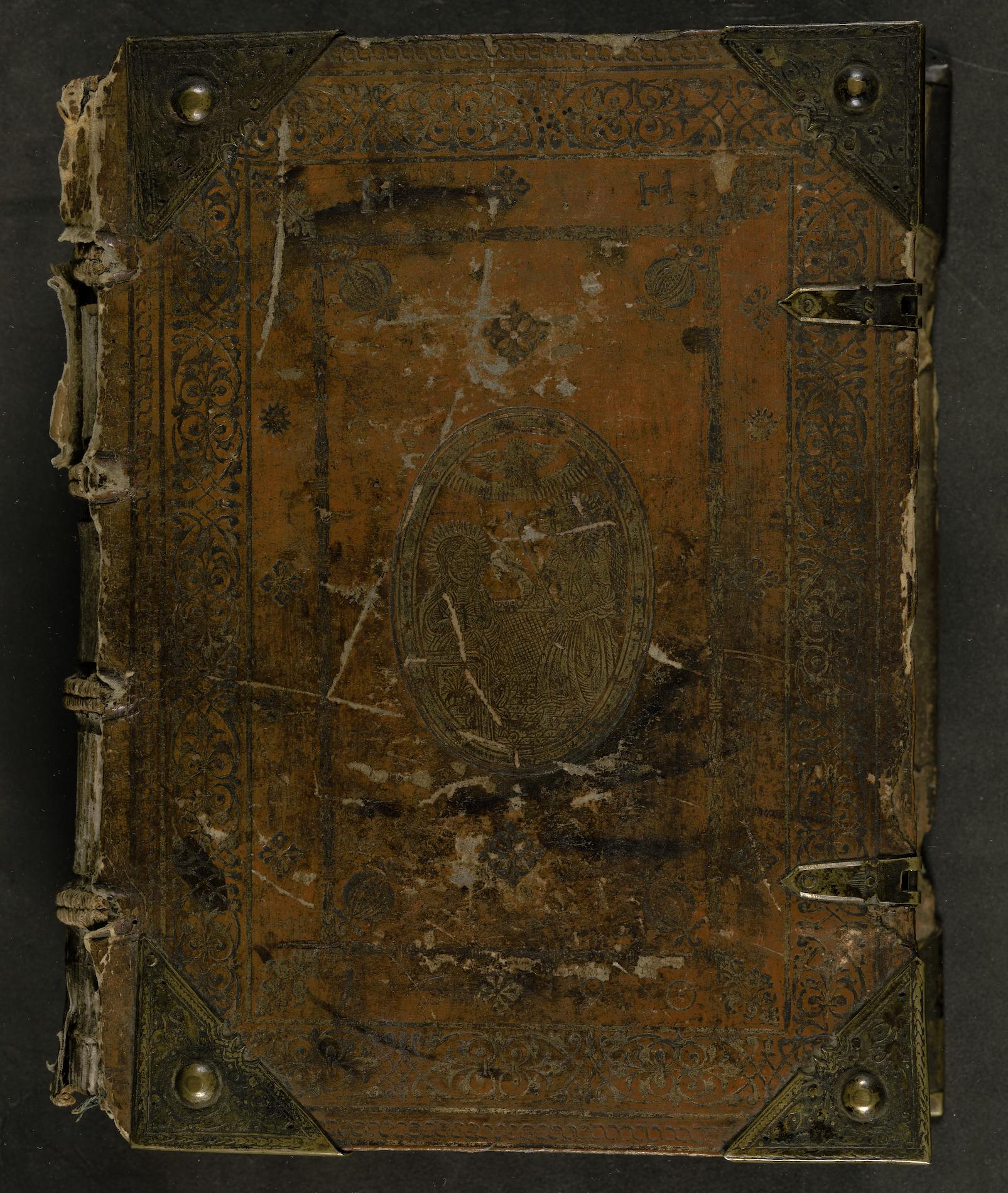
TextAuslegunge der Episteln vn[d] Euangelien von der heyligen drey Königefest bis auff Ostern
Luther, Martin, 1483-1546Summary: This is the second printing of Luther's Lenten Postils separate from other sermon collections. Kohl of Regensburg had issued the first printing the previous year. Of interest is the large initial on page a3a.Summary: This is the second printing of Luther's Lenten Postils separate from other sermon collections. Kohl of Regensburg had issued the first printing the previous year. Of interest is the large initial on page a3a. -
 Text
TextAusslegung des hundert vnd neundte[n] psalme[n], Dixit d[omin]us domi[n]o meo
Luther, Martin, 1483-1546Summary: The third of three printings of an exposition of Psalm 109 by Luther to be issued in 1518, interpreting the Psalm of the Kingdom and Priesthood of Jesus Christ.Summary: The third of three printings of an exposition of Psalm 109 by Luther to be issued in 1518, interpreting the Psalm of the Kingdom and Priesthood of Jesus Christ. -
 Text
TextContra Henricum regem Angliae
Luther, Martin, 1483-1546Summary: This is the second and much expanded edition of Luther's reply to Henry VIII's Assertion of the Seven Sacraments. Luther replies quite moderately (for him) to what he feels to be the King's unwarranted assertions on the Catholic Sacraments. This is the second printing of this edition.Summary: This is the second and much expanded edition of Luther's reply to Henry VIII's Assertion of the Seven Sacraments. Luther replies quite moderately (for him) to what he feels to be the King's unwarranted assertions on the Catholic Sacraments. This is the second printing of this edition. -
![Summary: First edition of the second Latin translation of Luther's Large Catechism, published earlier the same year. This translation was done Vincentius Opsopäus (Vinzenz Heidecker). Issued with it is the first Latin edition of Johann Brenz's catechism, first published in German in 1528 under the title "Fragstuck des christlichen Glaube[n]s für die Jugend zu Schwebische[n] Hall]."](https://s3.us-west-2.amazonaws.com/omekacloud-main/large/P_300000218139/00000001.jpg) Text
TextD. Martini Lutheri theologi, catechismus, lećtu dignissimus, latinus faćtus per Vincentium Obsopoeum : Huic adiećti sunt alij quo[que] gemini Catechismi,Iohannis Brentij ecclesiastae Hallensis, eodem interprete
Luther, Martin, 1483-1546Summary: First edition of the second Latin translation of Luther's Large Catechism, published earlier the same year. This translation was done Vincentius Opsopäus (Vinzenz Heidecker). Issued with it is the first Latin edition of Johann Brenz's catechism, first published in German in 1528 under the title "Fragstuck des christlichen Glaube[n]s für die Jugend zu Schwebische[n] Hall]."Summary: First edition of the second Latin translation of Luther's Large Catechism, published earlier the same year. This translation was done Vincentius Opsopäus (Vinzenz Heidecker). Issued with it is the first Latin edition of Johann Brenz's catechism, first published in German in 1528 under the title "Fragstuck des christlichen Glaube[n]s für die Jugend zu Schwebische[n] Hall]." -
 Text
TextDas Elltern die Kinder zuo der Ee nicht zwinge[n] noch hindern : Vnd die Kinder on der Elltern willen sich nicht verloben sollen
Luther, Martin, 1483-1546Open letter to Hans Schott, Knight, by Luther on the subject of filial piety in marriage, i.e. to what extent the wishes of the parent must be taken into account in the choice of a life partner. Parental consent was an issue during the Reformation. Catholic orthodoxy demanded parental consent of the bridal couple as it impacted property. Luther saw value in both sides, arguing that while parents ought not to be able to compel children to marry or prevent weddings, the children ought to seek their parents' consent.Open letter to Hans Schott, Knight, by Luther on the subject of filial piety in marriage, i.e. to what extent the wishes of the parent must be taken into account in the choice of a life partner. Parental consent was an issue during the Reformation. Catholic orthodoxy demanded parental consent of the bridal couple as it impacted property. Luther saw value in both sides, arguing that while parents ought not to be able to compel children to marry or prevent weddings, the children ought to seek their parents' consent. -
 Text
TextDas Elltern die Kinder zur Ehe nicht zwingen noch hyndern : Vnd die kinder on der elltern willen sich nicht verloben sollen
Luther, Martin, 1483-1546Parental consent was an issue during the Reformation. Catholic orthodoxy demanded parental consent of the bridal couple as it impacted property. Luther saw value in both sides, arguing that while parents ought not to be able to compel children to marry or prevent weddings, the children ought to seek their parents' consent.Parental consent was an issue during the Reformation. Catholic orthodoxy demanded parental consent of the bridal couple as it impacted property. Luther saw value in both sides, arguing that while parents ought not to be able to compel children to marry or prevent weddings, the children ought to seek their parents' consent. -
 Text
TextDas Ellternn die Kinder zůr Ehe nicht zwinge[n] nach hindern vnd die Kinder on der Elltern willen sich nicht verloben sollenn
Luther, Martin, 1483-1546Summary: Parental consent was an issue during the Reformation. Catholic orthodoxy demanded parental consent of the bridal couple as it impacted property. Luther saw value in both sides, arguing that while parents ought not to be able to compel children to marry or prevent weddings, the children ought to seek their parents' consent.Summary: Parental consent was an issue during the Reformation. Catholic orthodoxy demanded parental consent of the bridal couple as it impacted property. Luther saw value in both sides, arguing that while parents ought not to be able to compel children to marry or prevent weddings, the children ought to seek their parents' consent.