Karlstadt, Andreas Rudolff-Bodenstein von,1486-1541.
Summary: Only printing of a pamphlet by Karlstadt attacking Johann Eck on issues that emerged during their disputation at Leipzig 1519, in particular the interpretation of scripture and the question of free will and its relation to the grace of God.
Summary: Only printing of a pamphlet by Karlstadt attacking Johann Eck on issues that emerged during their disputation at Leipzig 1519, in particular the interpretation of scripture and the question of free will and its relation to the grace of God.
Summary: First edition of a brief report of the first Zurich Disputation followed by the 67 Articles read by Zwingli on January 27, 1523. The 67 Articles are often cited in discussions of Luther's 95 Theses and the Augsburg Confession.
Summary: First edition of a brief report of the first Zurich Disputation followed by the 67 Articles read by Zwingli on January 27, 1523. The 67 Articles are often cited in discussions of Luther's 95 Theses and the Augsburg Confession.
Summary: This is the third of Luther's three great reformation tracts of 1520. Addressed to Pope Leo X, this work is a discourse on the freedom of the will, turning on the paradox: A Christian is free, lord over all things, subject to no one. A Christian is a bounden servant of all, and subject to everyone. This is the fourth printing of Luther's own German translation.
Summary: This is the third of Luther's three great reformation tracts of 1520. Addressed to Pope Leo X, this work is a discourse on the freedom of the will, turning on the paradox: A Christian is free, lord over all things, subject to no one. A Christian is a bounden servant of all, and subject to everyone. This is the fourth printing of Luther's own German translation.
Summary: Tract on the duties and responsibilties of civic leaders, and on the relationship between church and state, first published in Latin a year earlier.
Summary: Tract on the duties and responsibilties of civic leaders, and on the relationship between church and state, first published in Latin a year earlier.
Summary: The Colloquy of Marburg was a meeting arranged at the initiative of Philip of Hessen in an attempt to forge religious unity in Germany and mediate theological differences between Lutherans and Zwinglians. Besides Luther and Zwingli, the meeting was also attended by Johannes Agricola, Johannes Brenz, Martin Bucer, Caspar Hedio, Justus Jonas, Philipp Melanchthon, Johannes Oecolampadius, and Andreas Osiander.
Summary: The Colloquy of Marburg was a meeting arranged at the initiative of Philip of Hessen in an attempt to forge religious unity in Germany and mediate theological differences between Lutherans and Zwinglians. Besides Luther and Zwingli, the meeting was also attended by Johannes Agricola, Johannes Brenz, Martin Bucer, Caspar Hedio, Justus Jonas, Philipp Melanchthon, Johannes Oecolampadius, and Andreas Osiander.
Summary: First printing of a rare pamphlet directed against Martin Luther. Wulffer calls Luther a false prophet and claims that his teachings contain no love, but only self-aggrandizement.
Summary: First printing of a rare pamphlet directed against Martin Luther. Wulffer calls Luther a false prophet and claims that his teachings contain no love, but only self-aggrandizement.
Eberlin von Günzburg, Johann, approximately 1470-1533
Summary: Johann Eberlin von Günzburg was a former Franciscan who had left the order and joined the Lutheran Reformation in 1521. This is the second edition of his tract on the dangers of priestly celibacy. He himself was married in 1524 and had four children. The title page woodcut shows the wedding of three different priests, including one to a nun.
Summary: Johann Eberlin von Günzburg was a former Franciscan who had left the order and joined the Lutheran Reformation in 1521. This is the second edition of his tract on the dangers of priestly celibacy. He himself was married in 1524 and had four children. The title page woodcut shows the wedding of three different priests, including one to a nun.
Summary: The Franciscan Augustine of Alveldt wrote this polemical tract in response to Luther's pamphlet "Widder den newen Abgott und alten Teuffel" which criticized the recent canonization of Bishop Benno of Mainz.
Summary: The Franciscan Augustine of Alveldt wrote this polemical tract in response to Luther's pamphlet "Widder den newen Abgott und alten Teuffel" which criticized the recent canonization of Bishop Benno of Mainz.
Holy Roman Empire. Emperor (1519-1556 : Charles V)
Summary: The diet of Nuremberg in 1524 reaffirmed the imperial ban of Luther's person expressed in the edict of Worms, but not the condemnation of his teachings, which were to be addressed at the diet of Speyer. Luther issued both the edict of Worms and the resolutions of the diet of Nuremberg along with his own foreward and comments, in which he calls the emperor a "mad, irrational, senseless, raving and insane fool".
Summary: The diet of Nuremberg in 1524 reaffirmed the imperial ban of Luther's person expressed in the edict of Worms, but not the condemnation of his teachings, which were to be addressed at the diet of Speyer. Luther issued both the edict of Worms and the resolutions of the diet of Nuremberg along with his own foreward and comments, in which he calls the emperor a "mad, irrational, senseless, raving and insane fool".
 Text
Text Text
Text Text
Text Text
Text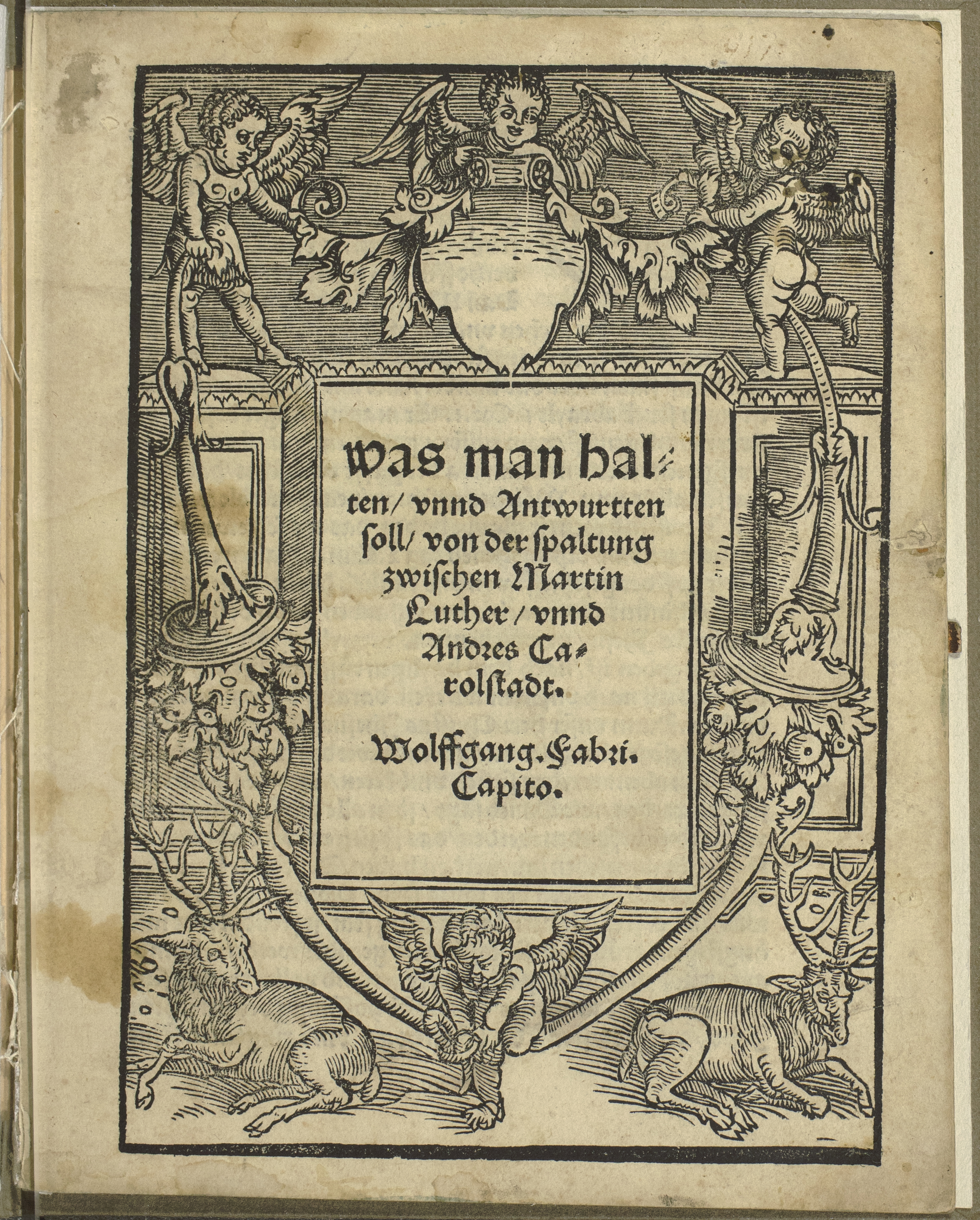 Text
Text Text
Text Text
Text Text
Text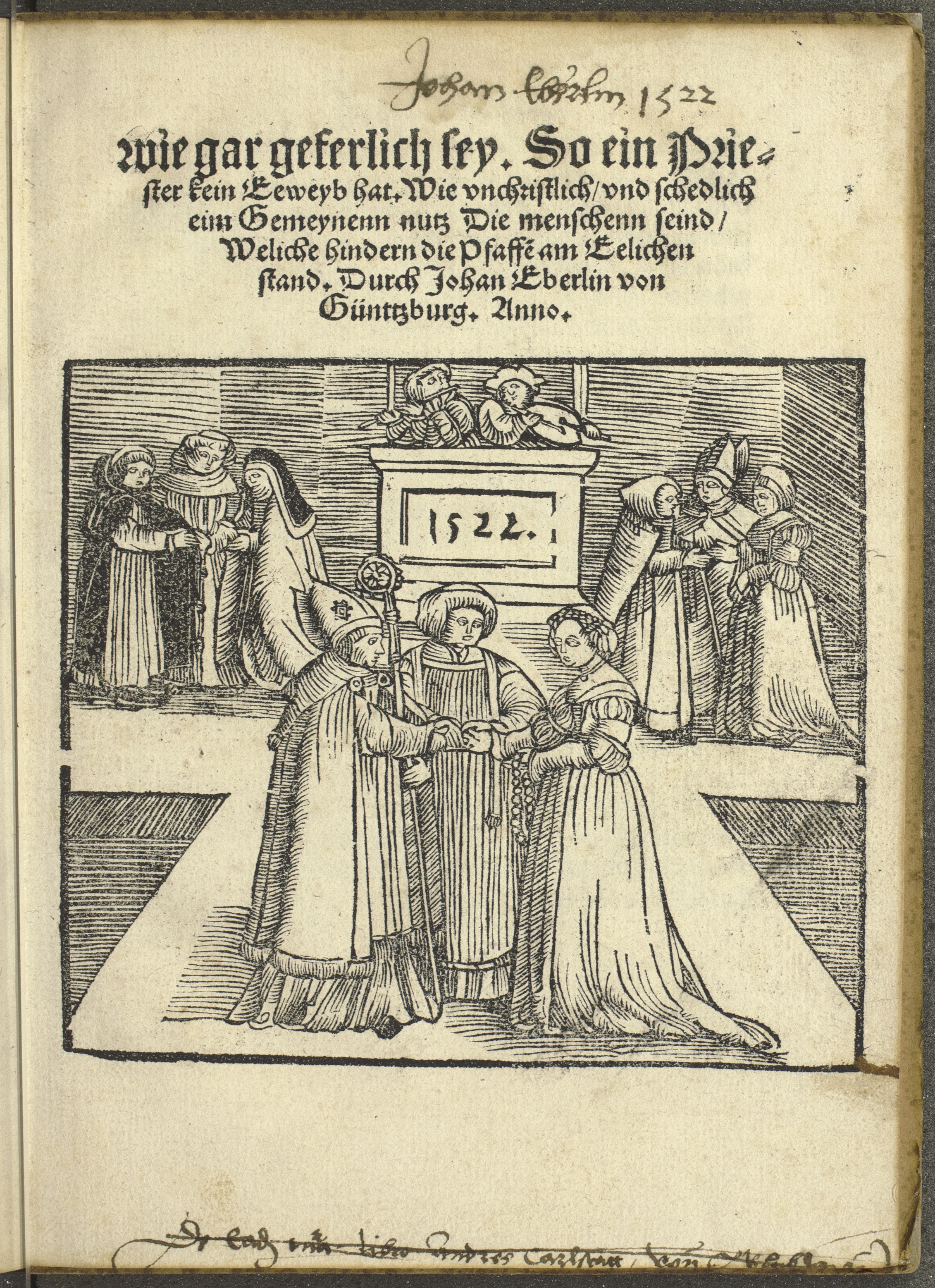 Text
Text Text
Text Text
Text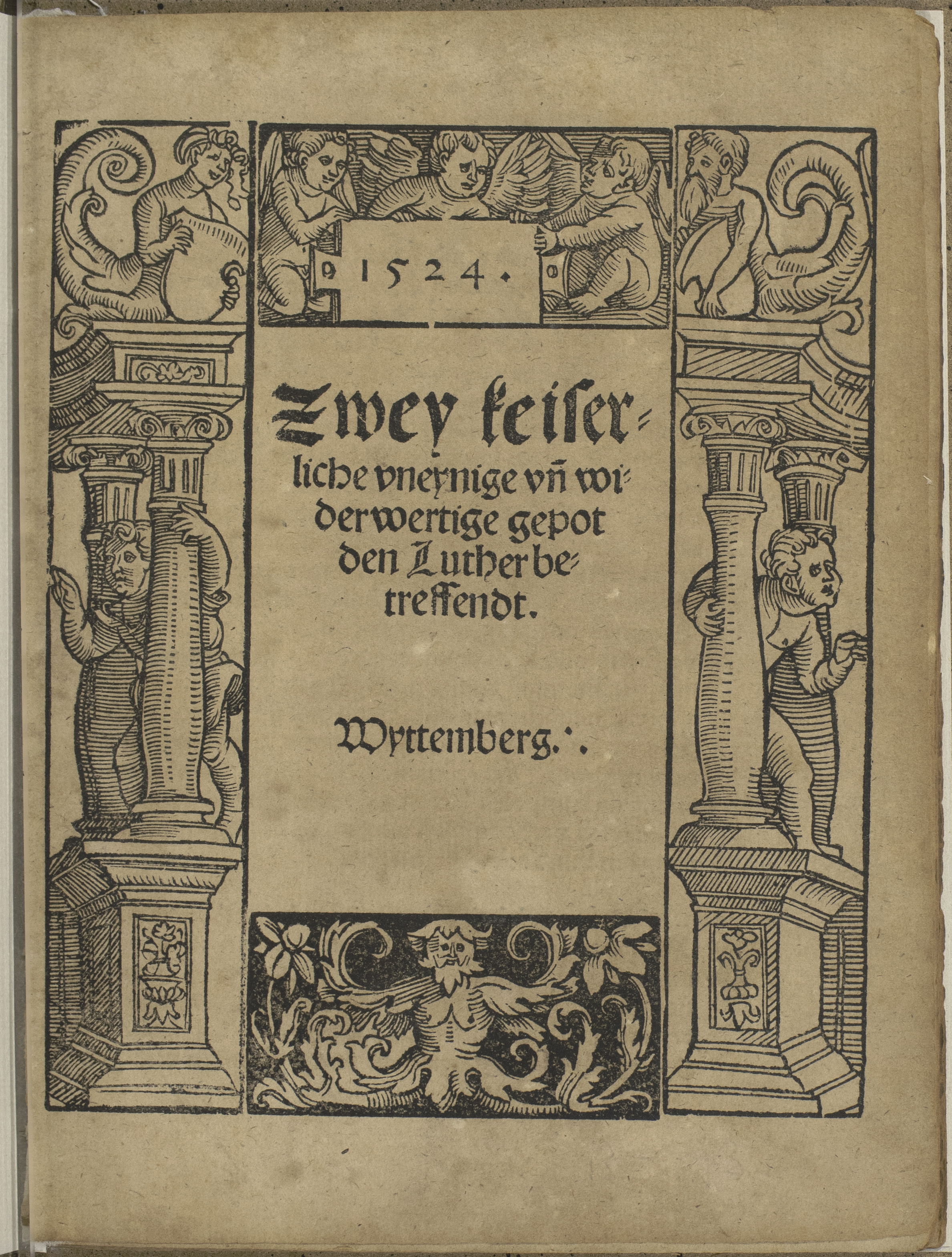 Text
Text