Satirical poem by the Nuremberg Meistersinger and cobbler about seven women complaining about their wayward husbands. The piece was originally published as a broadside in 1531 (cf. Erdmann) and is the counterpart to another poem by Sachs about seven men complaining about their wives.
Satirical poem by the Nuremberg Meistersinger and cobbler about seven women complaining about their wayward husbands. The piece was originally published as a broadside in 1531 (cf. Erdmann) and is the counterpart to another poem by Sachs about seven men complaining about their wives.
A woodcut containing a view of Wittenberg in Saxony-Anhalt. The woodcut was excerpted from from the German edition of Sebastian Münster's Cosmographia (Basel: Heinrich Petri, 1572). The reverse side depicts a jousting battle scene.
A woodcut containing a view of Wittenberg in Saxony-Anhalt. The woodcut was excerpted from from the German edition of Sebastian Münster's Cosmographia (Basel: Heinrich Petri, 1572). The reverse side depicts a jousting battle scene.
Summary: The Franciscan Augustine of Alveldt wrote this polemical tract in response to Luther's pamphlet "Widder den newen Abgott und alten Teuffel" which criticized the recent canonization of Bishop Benno of Mainz.
Summary: The Franciscan Augustine of Alveldt wrote this polemical tract in response to Luther's pamphlet "Widder den newen Abgott und alten Teuffel" which criticized the recent canonization of Bishop Benno of Mainz.
Summary: This collection includes ten sermons from 1522 and two from 1523. Two are indicated from an earlier collection. This collection is a step toward the completion of a postil for saints' festival days.
Summary: This collection includes ten sermons from 1522 and two from 1523. Two are indicated from an earlier collection. This collection is a step toward the completion of a postil for saints' festival days.
A depiction of a young Jesus standing amongst the teachers at the temple, reading and asking questions. The print is placed before the hymn, "Ein Gefang fur dem anfang der finder predigt oder des Catechismi" by D. Johan Zwick.
A depiction of a young Jesus standing amongst the teachers at the temple, reading and asking questions. The print is placed before the hymn, "Ein Gefang fur dem anfang der finder predigt oder des Catechismi" by D. Johan Zwick.
Holy Roman Empire. Emperor (1519-1556 : Charles V)
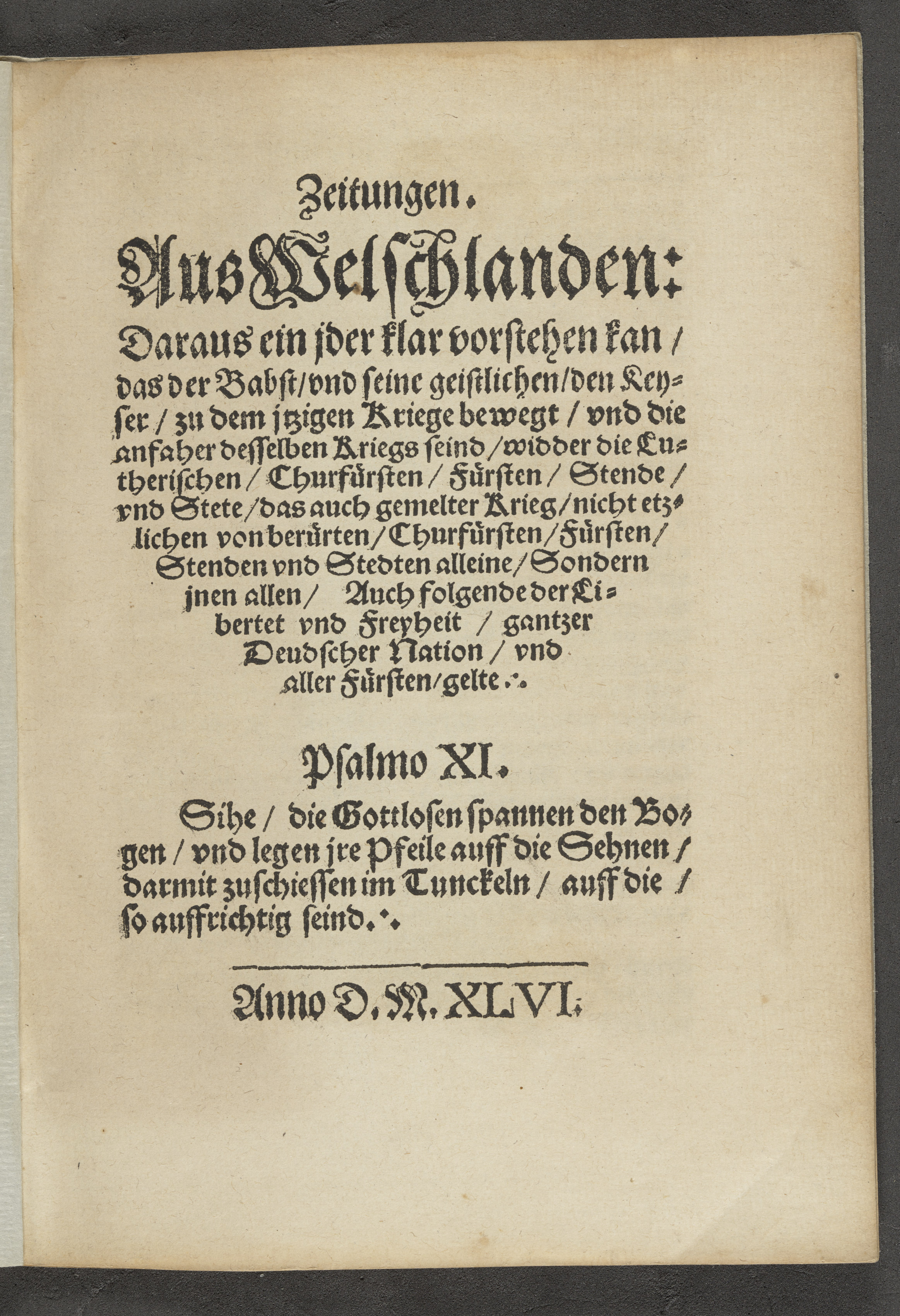
Summary: The diet of Nuremberg in 1524 reaffirmed the imperial ban of Luther's person expressed in the edict of Worms, but not the condemnation of his teachings, which were to be addressed at the diet of Speyer. Luther issued both the edict of Worms and the resolutions of the diet of Nuremberg along with his own foreward and comments, in which he calls the emperor a "mad, irrational, senseless, raving and insane fool".
Summary: The diet of Nuremberg in 1524 reaffirmed the imperial ban of Luther's person expressed in the edict of Worms, but not the condemnation of his teachings, which were to be addressed at the diet of Speyer. Luther issued both the edict of Worms and the resolutions of the diet of Nuremberg along with his own foreward and comments, in which he calls the emperor a "mad, irrational, senseless, raving and insane fool".
Summary: Two funeral sermons by Martin Luther on the occasion of John the Steadfast, Elector of Saxony, who had founded and headed the Smalcaldic League. John was succeeded by his son Johann Friedrich I.
Summary: Two funeral sermons by Martin Luther on the occasion of John the Steadfast, Elector of Saxony, who had founded and headed the Smalcaldic League. John was succeeded by his son Johann Friedrich I.
Summary: One sermon expanded by G. Rörer into two, preached February 18, 1537, on text: Matthew IV, 1-11. The subjects are Temptation, and Last Things.
Summary: One sermon expanded by G. Rörer into two, preached February 18, 1537, on text: Matthew IV, 1-11. The subjects are Temptation, and Last Things.
An engraving depicting the torture of Huguenots in Poitou. The image shows a man bound and forced to drink through a funnel (bottom right), a man having his hand boiled (center left), and a man forced to inhale smoke from a pipe (background center).
An engraving depicting the torture of Huguenots in Poitou. The image shows a man bound and forced to drink through a funnel (bottom right), a man having his hand boiled (center left), and a man forced to inhale smoke from a pipe (background center).
 Text
Text Text
Text Still image
 Text
Text Text
Text Still image
 Text
Text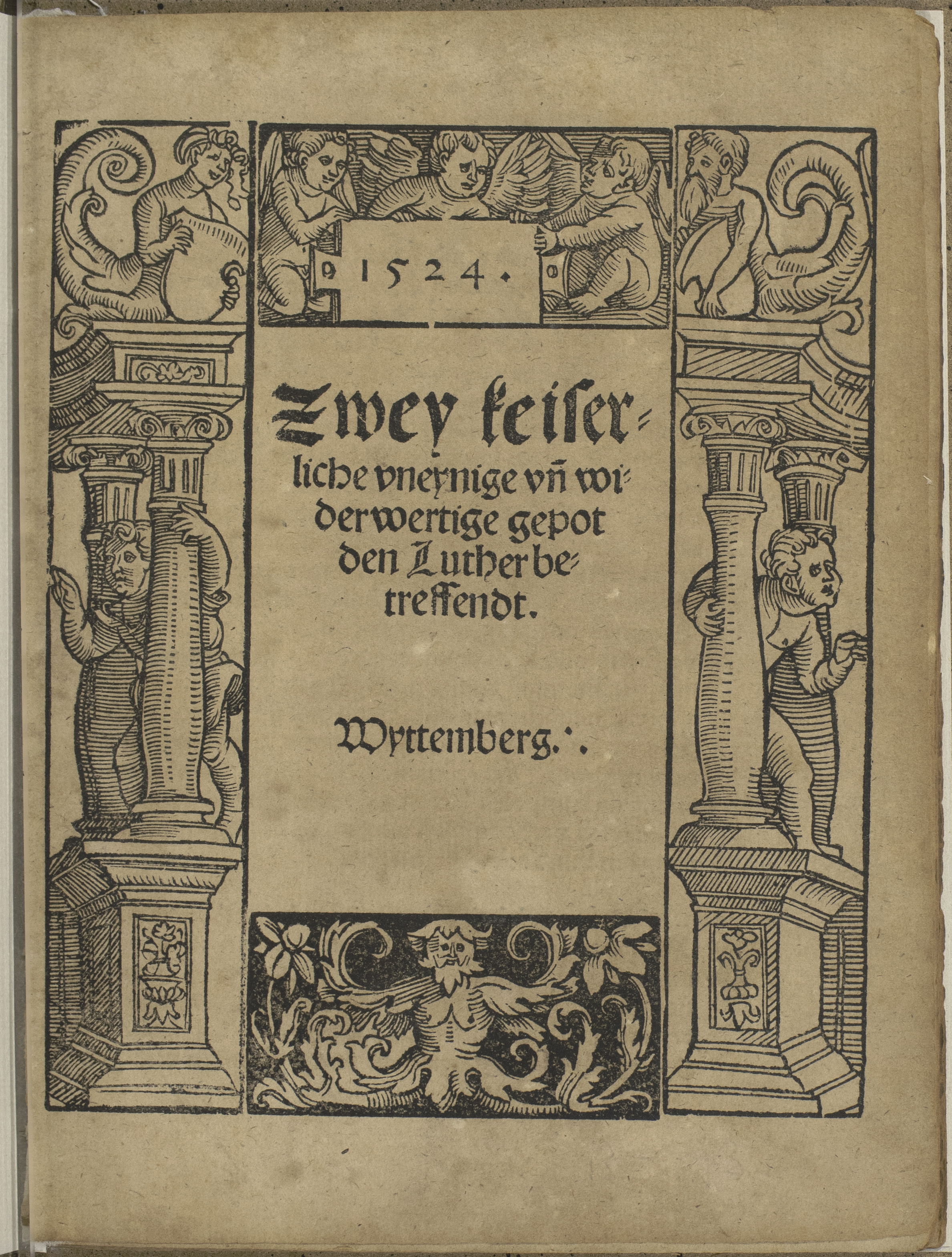 Text
Text Text
Text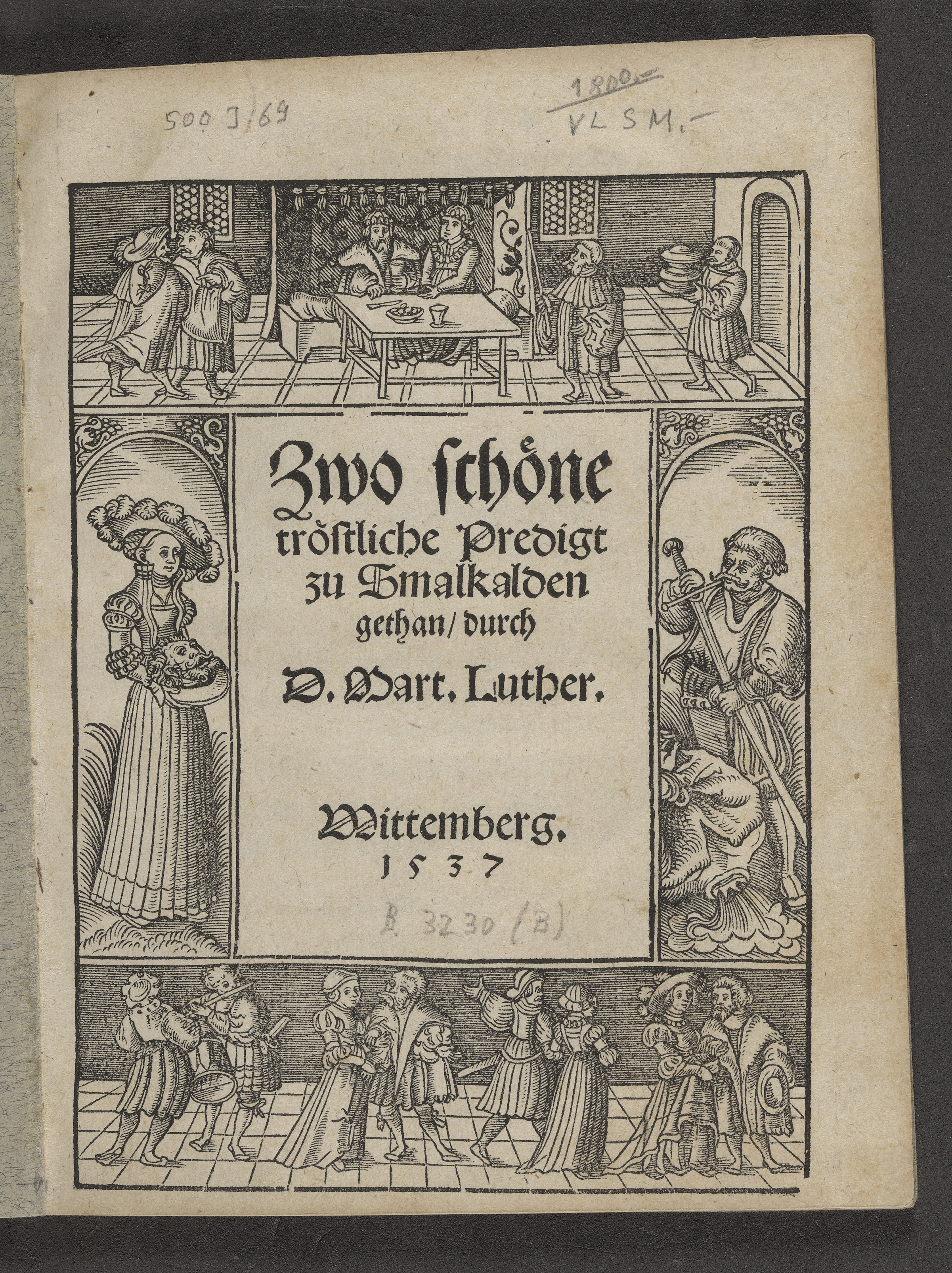 Text
Text Still image